
Montana Terrestrial Fly Fishing: Late Summer Hoppers Guide
Montana terrestrial fly fishing refers to the late summer window when trout shift their focus from aquatic hatches to land-based insects like grasshoppers, ants, and beetles. This period demands bank-oriented accuracy and provides some of the most visual, aggressive dry fly takes of the season on legendary waters.
What is the Montana terrestrial fly fishing season?
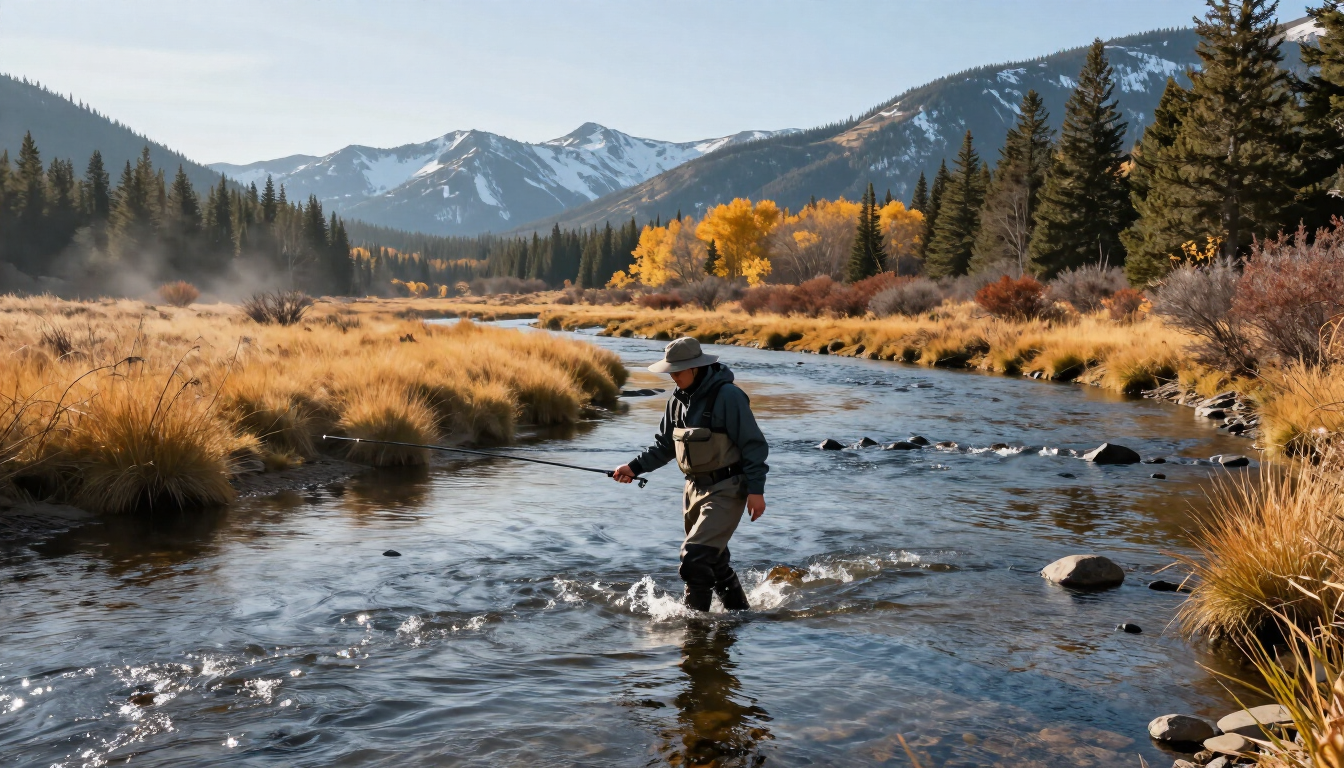
As the heat of July gives way to the golden hues of August and September, the aquatic insect life in Southwest Montana begins to plateau. The prolific Salmonfly and Golden Stonefly hatches are memories, and the Pale Morning Duns are tapering off. This is when the "terrestrial window" opens. It is a period characterized by high sun, warm afternoons, and the sound of dry grass rustling in the wind. For the experienced angler, this is the time to put away the tiny nymphs and prepare for high-stakes dry fly fishing. Unlike aquatic hatches that occur in the film or water column, terrestrials are accidental tourists—insects that fall, blow, or jump into the river from the surrounding ranch lands and grassy banks.
On our home waters near Livingston, this transition transforms the river’s character. The trout, particularly the larger browns and opportunistic rainbows, move from the center-river seams toward the margins. They are looking for a calorie-dense meal that doesn't require a massive hatch to appear. A single grasshopper provides more protein than a dozen midges, making it worth the trout's effort to sit in the shallow, oxygen-rich water right against the bank. Understanding this seasonal character is vital for anyone booking float trips during this time, as it dictates every move the guide and the angler make together.
Mastering the Bank-Oriented Drift
When we talk about bank-oriented fishing, we aren't just talking about casting near the shore; we are talking about putting the fly in the "kitchen." This is the six-inch strip of water where the grass meets the river. In late summer, the Yellowstone River and its tributaries develop distinct structures. Under-cut banks, where the current has carved a shelf beneath the sod, become prime real estate. A trout tucked under a bank is protected from overhead predators like ospreys but has a front-row seat for any beetle or ant that loses its footing.
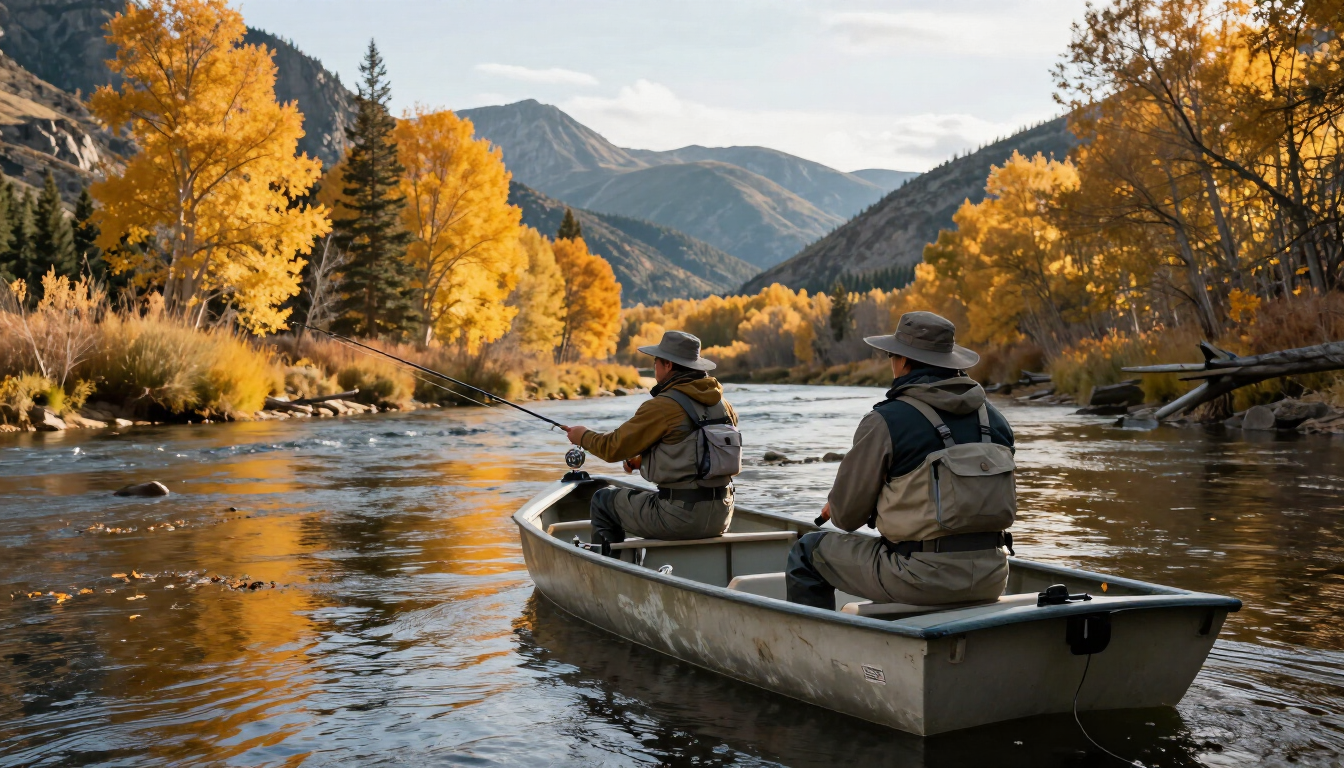
Fishing these margins from a drift boat requires a high degree of coordination. The boat is moving downstream, often at a different speed than the current at the bank. The guide uses the oars to slow the boat’s progress, giving the angler more time to present the fly. However, this creates a technical challenge: the fly must land softly but with a distinct "splat" to mimic the heavy impact of a grasshopper. If the fly lands too far out, it misses the strike zone. If it lands on the grass, you’ve missed your opportunity. The goal is to maximize the time the fly spends in that productive narrow corridor before the boat’s movement or the mid-river current induces drag.
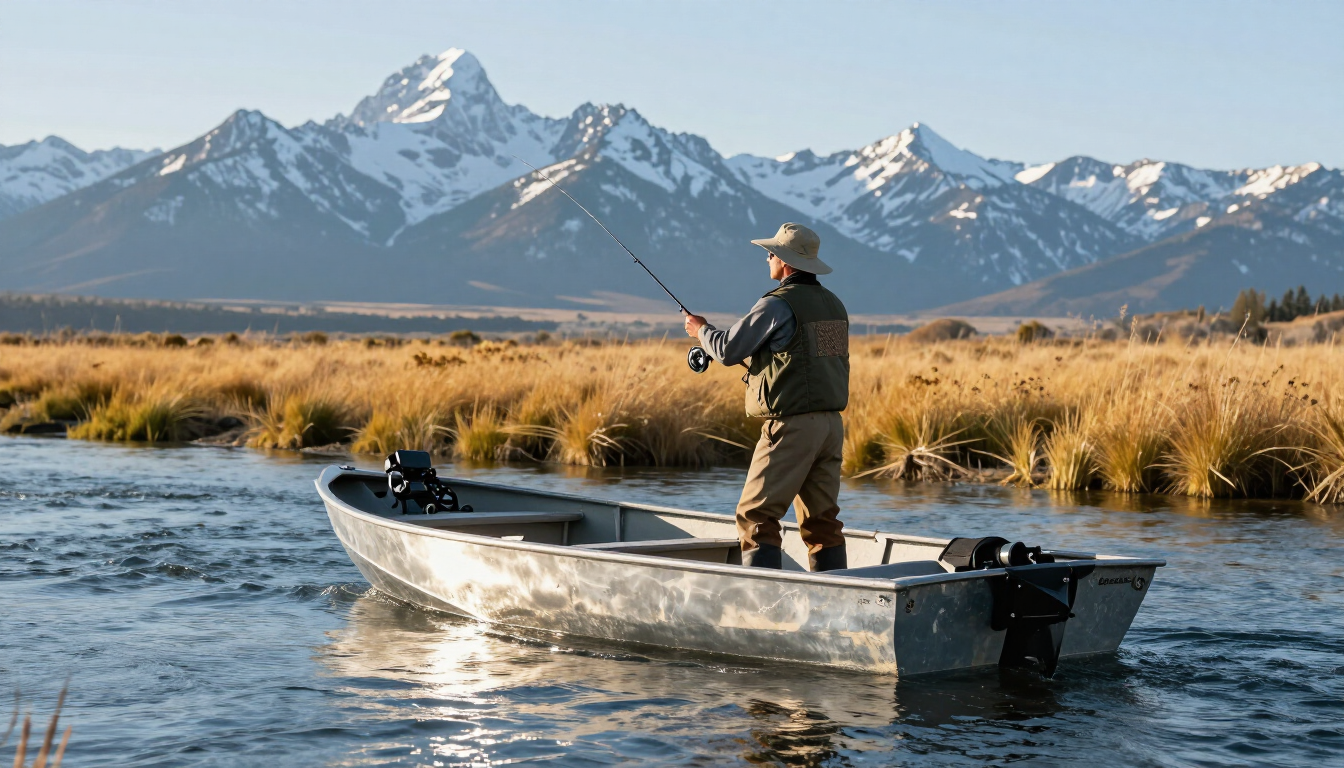
Why does casting from a drift boat require a reach mend?
One of the most technical aspects of late summer fishing is managing line speed. Because the boat is usually being held back by the guide to provide a longer look at the bank, the boat is actually moving slower than the surface current in the middle of the river. If you cast straight across the current to the bank, the faster water in the middle will immediately pull your fly line downstream, causing the fly to "skate" or drag unnaturally across the surface. For a trout looking for a dead-drifted beetle, this is an immediate red flag.
To counter this, the reach mend is your best friend. As you finish your forward cast, you move your rod tip upstream before the line hits the water. This places a belly of line upstream of the fly, giving you several extra feet of drag-free drift. This technical adjustment is what separates a good day from a great day on the Yellowstone River . The experienced angler knows that the first two seconds of the drift are the most critical. If the fly lands and immediately starts to pull, the trout will likely ignore it or, worse, become spooked and retreat further under the bank.
Navigating the Grassy Margins of the Yellowstone
Late summer on the Yellowstone is a masterclass in reading micro-water. We look for "hopper banks"—stretches of river where the wind blows across open hayfields or pastures directly onto the water. These areas act like a conveyor belt for insects. The river's character here is defined by large cobble, swirling eddies, and deep pockets right against the cliff faces. While the Madison River offers its own terrestrial delights, the Yellowstone’s scale makes the terrestrial game feel like a hunt.
We often look for the following features when targeting big fish with hoppers:
- Overhanging willow branches that provide shade and insect drops.
- Deep under-cut banks with at least two feet of water depth.
- Small indentations or "pockets" in the bank that break the main flow.
- Slow-moving foam lines that trap smaller terrestrials like ants.
- Point bars where the current pushes terrestrial debris into a predictable line.
How do you trigger strikes with terrestrial movement?
While a dead-drift is the gold standard for most dry fly fishing, terrestrials offer a unique opportunity to be proactive. A grasshopper that falls into the water doesn't just sit there; it kicks, struggles, and creates a disturbance. Sometimes, a trout needs a little convincing to come out from its hiding spot. This is where the "twitch" comes in. A subtle movement of the rod tip can make a foam hopper dance just enough to catch a trout’s eye.
However, timing is everything. You don't want to twitch the fly when it's directly over a fish, as the sudden movement can be jarring. Instead, you twitch the fly just as it enters a promising zone or after it has drifted through the heart of a run without a strike. This mimics an insect trying to regain its footing and can trigger an aggressive, reflexive take from a predatory brown trout. It’s a delicate balance; too much movement looks fake, while too little might not be enough to get noticed in choppy water.
Selecting Profiles Over Colors: The Terrestrial Logic
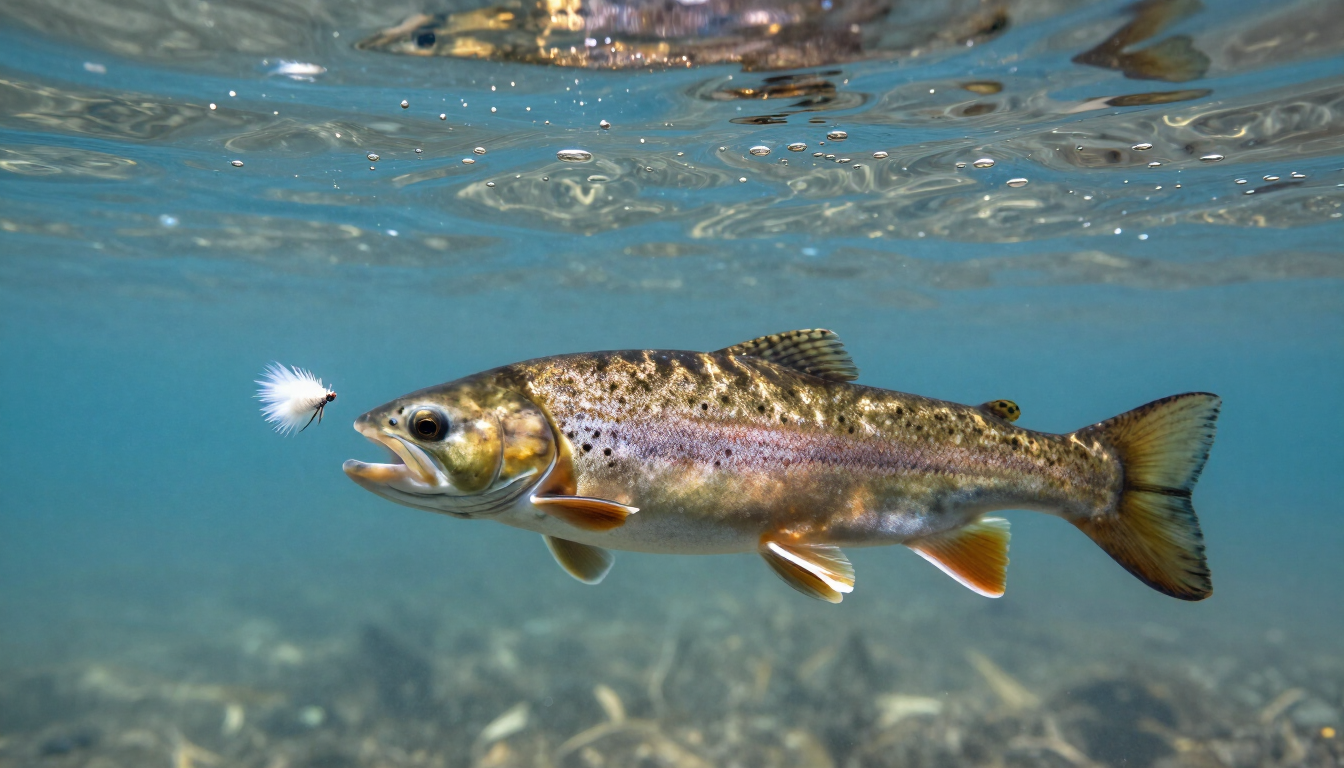
When we dive into the fly boxes for waters we fish , the sheer variety of terrestrial patterns can be overwhelming. However, the experienced angler knows that profile and silhouette matter far more than the exact shade of tan or green. A trout looking up from four feet below sees a dark shape against a bright sky. They are looking for the segmented legs of a hopper, the bulbous head of a beetle, or the distinct pinched-waist silhouette of an ant.
In high-light conditions, foam patterns are excellent because they float high and are easy for the angler to see, but their silhouette is what does the heavy lifting. On overcast days, or in the low light of evening, a trout might be more discerning. We often switch to patterns with more natural materials—like deer hair or peacock herl—that sit lower in the film. The way a fly sits in the water, rather than just on it, can be the difference-maker when the fish have seen a lot of pressure.
What makes ants and beetles effective in late summer?
While the grasshopper gets all the glory, the humble ant and beetle are often the most consistent producers during the Montana terrestrial fly fishing season. Trout are genetically programmed to recognize the formic acid in ants, making them a high-value target even when the fish aren't actively rising to larger insects. Because ants are small and dark, they are difficult for the angler to see, which is why we often fish them as a "dropper" behind a more visible hopper.
Beetles are equally important, especially on our Paradise Valley spring creeks . A beetle provides a dense, chunky profile that is hard for a trout to pass up. The beauty of the beetle is its stealth. Unlike the loud "plop" of a hopper, a beetle enters the water with a subtle presence. In technical water where the fish are wary, a size 14 or 16 beetle can be the most effective tool in the box. It requires a stealthy approach and a precise cast, often mimicking the way an insect might fall from a willow leaf into a quiet eddy.
Summary: Essential Montana Terrestrial Takeaways
The late summer terrestrial window is a highlight of the Montana angling year, offering technical challenges and visual rewards that define the local fly fishing heritage. Success in this season requires a blend of accurate bank-casting, boat-based line management, and an understanding of insect profiles. Whether you are pounding the banks of the Yellowstone or stalking the margins of a spring creek, this is the time to embrace the "big fly" mentality.
- Target the Margin : Focus your casts within six inches of the grassy banks and under-cuts.
- Master the Reach : Use reach mends to combat mid-river drag and extend your drift.
- Profile Matters : Choose flies based on their silhouette and how they sit in the surface film.
- Don't Ignore the Small Stuff : Ants and beetles often outperform hoppers on pressured water.
- Adjust Movement : Use subtle twitches to mimic a struggling insect, but don't overdo it.
For the most current information on water character and specific fly recommendations for your upcoming trip, please contact us directly. The river changes daily, and we are happy to provide the latest insights from our time on the water.
Recent Posts