Montana Fly Fishing Group Trips: 5 Tips for July (2026)
Montana fly fishing group trips in July are strategically managed by distributing participants into pairs per drift boat, each led by a professional guide. This arrangement facilitates customized instruction for all experience levels, from beginners to experts, ensuring everyone enjoys Montana's premier trout waters while adhering to seasonal safety protocols.
How do you split a large group across boats and guides?
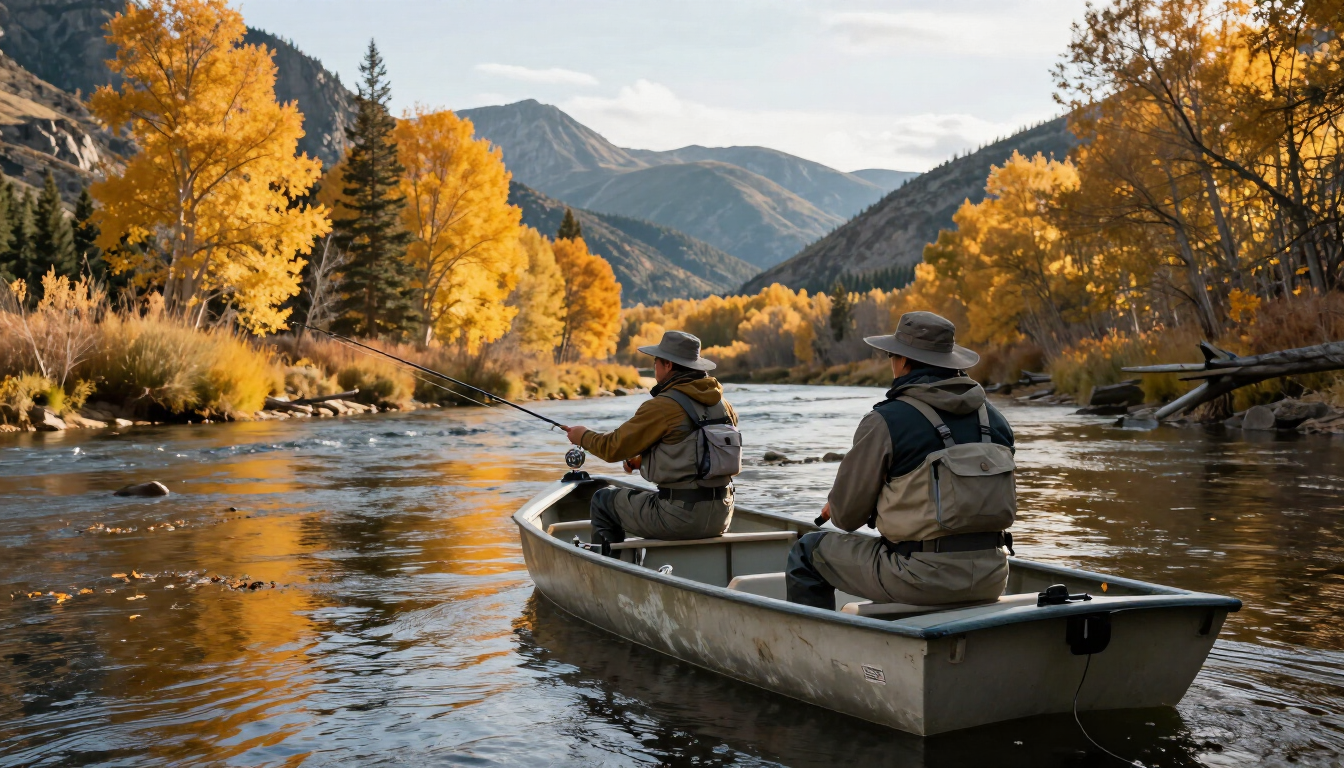
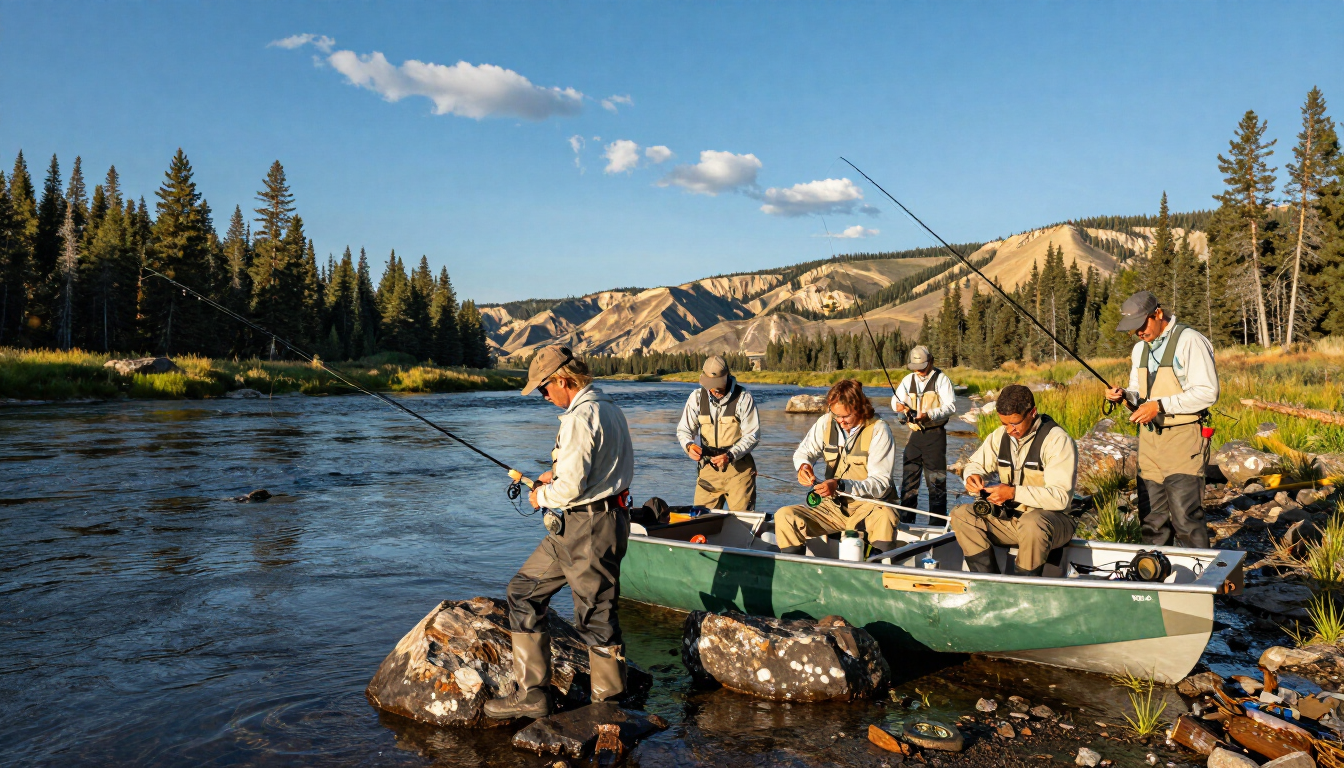
Organizing a large group for a day on the water requires careful logistical planning, especially during the peak season of July. When you book one of our float trips , the primary consideration is the capacity of the drift boats. In Montana, the standard practice for safety and quality of instruction is two anglers per boat, plus one professional guide. This ratio ensures that each participant receives the necessary attention and that the boat remains balanced and maneuverable on the river.
For a group of six friends or family members, we typically deploy three boats. This allows the group to stay within close proximity throughout the day while providing enough space for casting without interference. Splitting the group effectively involves more than just numbers; it is about matching personalities and skill levels. Often, families choose to put children with a more experienced adult or pair two beginners together so the guide can focus entirely on fundamental instruction.
We coordinate boat launches so that your entire party starts the day together at the access point. Throughout the float, boats may naturally spread out to fish different runs and riffles, but the guides remain in constant communication. This setup is ideal for groups because it provides a shared experience during the morning preparation and the midday riverside lunch, yet allows for a private, focused fishing environment during the active hours of the trip.
Can beginners and experts fish together on a float trip?
One of the most common concerns for group organizers is the wide range of experience levels among participants. The beauty of a guided trip with Paradise Valley Angler is the high level of adaptability provided by our professional staff. Our guides are not just experts at finding fish; they are professional educators who tailor their approach to each individual in the boat.
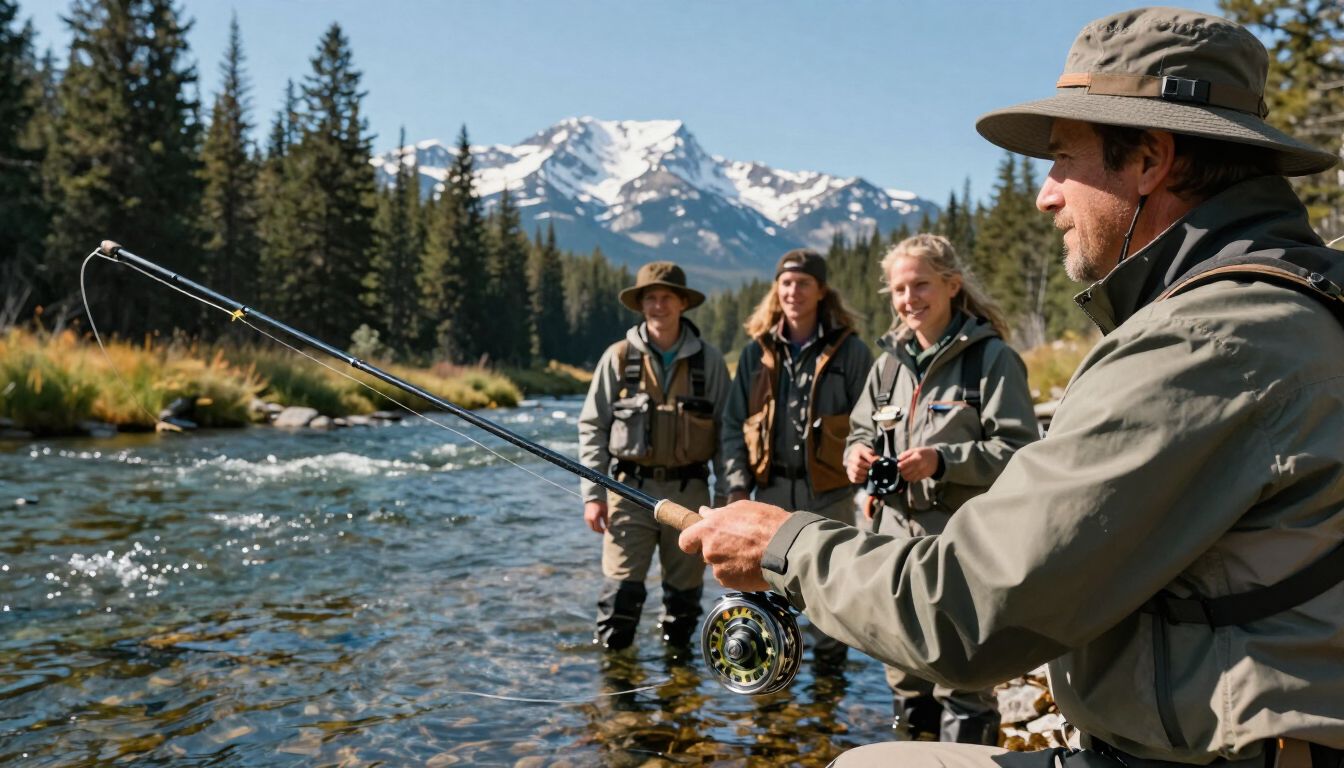
For the beginner, a day on the Yellowstone River or Madison River serves as an intensive, hands-on classroom. The guide will cover everything from the basic overhead cast and line management to understanding how to read the water. Because the guide is handling the rowing and navigation, the beginner is free to focus entirely on their technique without the added complexity of navigating the river current themselves.
Simultaneously, for the seasoned angler in the same group (or even the same boat), the guide provides advanced tactical advice. This might include fine-tuning a reach cast to achieve a longer drag-free drift or identifying specific technical lies where larger, more wary trout are known to hold. The guide acts as a spotter and strategist, allowing the experienced angler to push their skills further. This dual-track instruction ensures that no one feels held back and no one feels overwhelmed.
Navigating Montana FWP Restrictions and Seasonal Shifts
July in Southwest Montana is a time of spectacular beauty, but it also brings unique environmental challenges that require professional oversight. The Montana Department of Fish, Wildlife & Parks (FWP) monitors water temperatures and flow rates closely during the summer months. To protect the health of the wild trout populations, FWP may implement "Hoot-Owl" restrictions. These regulations typically prohibit fishing during the hottest parts of the day, usually from 2:00 PM until midnight, when water temperatures peak and fish are most susceptible to stress.
As a group organizer, it is important to understand that your itinerary may shift based on these conditions. If Hoot-Owl restrictions are in place, we may start our days much earlier to capitalize on the cool morning hours. Our guides are experts at monitoring these daily changes and will adjust the plan to ensure we are fishing ethically and legally. This flexibility is a hallmark of professional Montana fly fishing group trips.
Beyond temperature regulations, July can bring sudden summer thunderstorms or shifts in insect hatches. A plan that was perfect on Monday might need to be adjusted by Wednesday. We encourage all group leaders to stay in close contact with us as their trip approaches. By calling about current conditions, you can receive the most up-to-date information on river flows, water clarity, and any active FWP notices. This transparency ensures there are no surprises when your group arrives at the river.
What waters are best for mixed-experience groups?
Selecting the right water is critical when you have a diverse group of anglers. We are fortunate to operate in the heart of Paradise Valley, giving us access to some of the most legendary waters we fish . For groups, the Yellowstone River is often the top choice. Its wide reaches and varied water types—ranging from deep pools to bubbly riffles—provide ample opportunity for different styles of fishing. It is a large, majestic river that feels quintessentially Montana, offering plenty of room for multiple boats to operate without crowding.
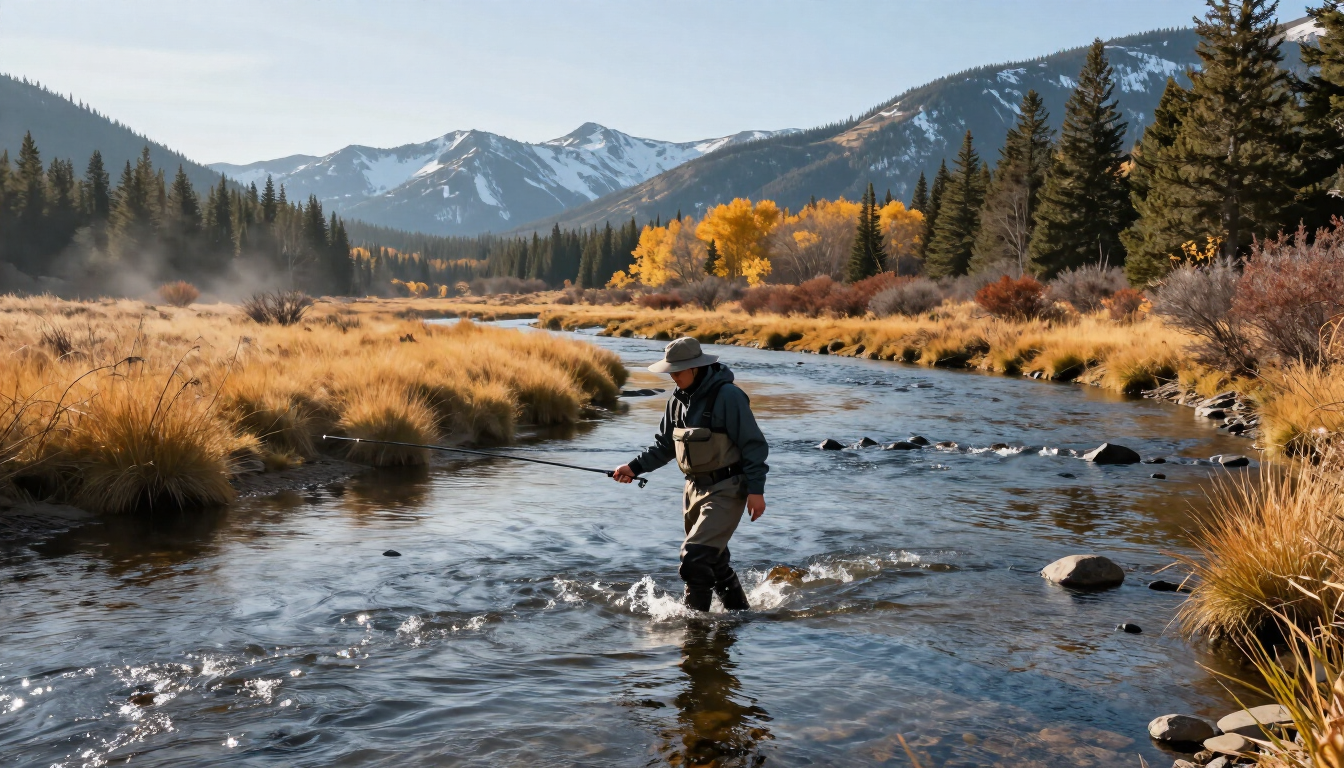
For those seeking a different experience, the Madison River offers a unique "river of rocks" character that is world-famous. While the Madison can be technical, it is also incredibly productive during the July hatches. If your group is interested in a more intimate setting, we may explore walk / wade trips on smaller tributaries or spring creeks, though it is important to note that wading in Montana rivers requires caution. The riverbeds consist of slick, uneven cobble, and the currents can be powerful. Our guides provide essential support and guidance for navigating these terrains, but we never characterize any of these waters as easy to wade.
Private water access is another excellent option for groups looking for exclusivity. We offer trips to private water areas where the pressure is lower, and the setting is serene. This can be particularly beneficial for groups who want a quiet, secluded environment to bond and learn without the presence of other fishing parties. Each water body has its own personality, and we match your group’s goals to the river that best suits the day’s conditions.
The Importance of Safety and PFD Usage on Montana Waters
Safety is the foundation of every trip we lead. When you are on a boat in a moving river, the environment is dynamic and requires respect. We provide Personal Flotation Devices (PFDs) for every participant and strongly encourage their use throughout the duration of the float. Montana’s rivers, while beautiful, are powerful natural systems with hidden obstacles, varying depths, and strong currents.
For group organizers, ensuring the safety of your friends and family is likely a top priority. Our guides are trained in river safety and first aid, but the most effective safety measure is prevention. This includes wearing life jackets, staying seated while the boat is in motion through rapids, and following the guide’s instructions regarding where and when it is safe to exit the boat.
We also take precautions regarding the summer sun and heat. July temperatures in Paradise Valley can be intense. We ensure that every trip includes plenty of hydration and high-quality streamside meals to keep everyone’s energy levels up. By managing these basic needs, we allow the group to focus on the joy of fishing and the incredible scenery that surrounds us. Safety and comfort are not just checkboxes for us; they are integral to the professional service we provide to every group.
How do guides adapt their teaching styles for diverse groups?
Communication is the key to a successful day on the water. A great guide is part coach, part biologist, and part storyteller. For a group trip, the guide must constantly read the "room"—or in this case, the boat. They might spend thirty minutes working on a beginner's loop stability, then pivot to explaining the lifecycle of the Golden Stonefly to an inquisitive teenager, and finally help a veteran angler pick out a specific target near a downed log.
This adaptability extends to how the guide manages the boat's position. If one angler is struggling, the guide may hold the boat in a softer eddy to allow for repetitive practice without the pressure of a fast-moving current. Conversely, if both anglers are highly skilled, the guide will keep the boat moving through productive water, calling out targets in quick succession. This personalized approach is why guided Montana fly fishing group trips are so highly valued; you aren't just paying for a boat ride, you are paying for an expert who ensures each person's specific needs are met.
Planning Your Group Logistics with Paradise Valley Angler
When you are ready to book, the process starts with a conversation. We want to know about your group: How many people? What are the ages? What is the experience level? Do you have any specific goals, like seeing a particular stretch of river or learning a specific technique? This information allows us to pair you with the right guides and plan the optimal route for your July adventure.
We also recommend reviewing our FAQ and rates pages to understand the full scope of what is included. Our goal is to make the organization process as seamless as possible for the group leader. From providing all the necessary gear—rods, reels, and terminal tackle—to handling the transportation and food, we take the logistical burden off your shoulders. This allows you to simply show up and enjoy the day with your group.
Remember, fly fishing is about the experience of being in nature and the camaraderie of the group. While we cannot make promises regarding the number of fish caught, we do promise a professional, safe, and educational experience in one of the most beautiful places on earth. The memories of a riverside lunch and a day spent on the water with loved ones often far outlast the memories of any single catch.
Summary: Key Takeaways for Your July Group Trip
Planning a successful group fly fishing trip in Montana during the month of July requires a balance of logistical organization and seasonal awareness. By working with professional guides, you ensure that every member of your party—regardless of their fishing background—receives expert, tailored instruction and a safe experience on the water.
- Boat Logistics: Expect two anglers per boat to ensure personalized attention and safety.
- Skill Adaptability: Professional guides seamlessly adjust their teaching for both beginners and experts in the same group.
- Seasonal Awareness: Be prepared for Montana FWP hoot-owl restrictions and heat-related plan shifts; always call for the latest conditions.
- Safety First: Prioritize PFD usage and follow guide instructions at all times on dynamic Montana rivers.
- Diverse Options: Choose between famous rivers like the Yellowstone or Madison, or opt for private water for a more exclusive group experience.
If you are ready to start planning your Southwest Montana adventure, please contact us today to discuss dates and availability for your group.
Recent Posts