
How to Master Late Summer Spring Creek Fishing
Paradise Valley spring creeks are a premier late summer destination because they provide stable water temperatures, consistent hatches, and crystal-clear conditions when freestone rivers often become warm or low. These iconic private waters offer a technical sight-fishing challenge for selective trout, demanding stealth, precision, and expert-level presentation.
Why are spring creeks better than freestone rivers in August?
As the Montana summer reaches its peak in late July and August, the legendary freestone rivers like the YELLOWSTONE RIVER begin to feel the heat. Freestone rivers rely on snowmelt and seasonal runoff; as the sun beats down on the valley, water temperatures can rise, making the trout lethargic during the brightest parts of the day. In contrast, the PARADISE VALLEY SPRING CREEKS are fed by subterranean aquifers that maintain a remarkably consistent temperature year-round.
This thermal stability is a sanctuary for both trout and the aquatic insects they feed on. While the trout in the big rivers might seek deep, oxygenated riffles to survive the afternoon heat, spring creek trout remain active in the shallow, oxygen-rich weed beds. For the angler, this means the fishing doesn’t shut off when the thermometer climbs. You can expect active rising fish even in the middle of a sweltering August afternoon.
Furthermore, the clarity of these creeks is unparalleled. While a summer thunderstorm can blow out a freestone river with mud and debris for days, the spring-fed systems act as a natural filter. The water remains gin-clear, allowing for the ultimate fly fishing experience: sight-fishing. On these waters, you aren't just casting to likely-looking spots; you are hunting specific fish, watching their behavior, and timing your cast to their feeding rhythm.
The Exclusivity of Private Water and Rod Fees
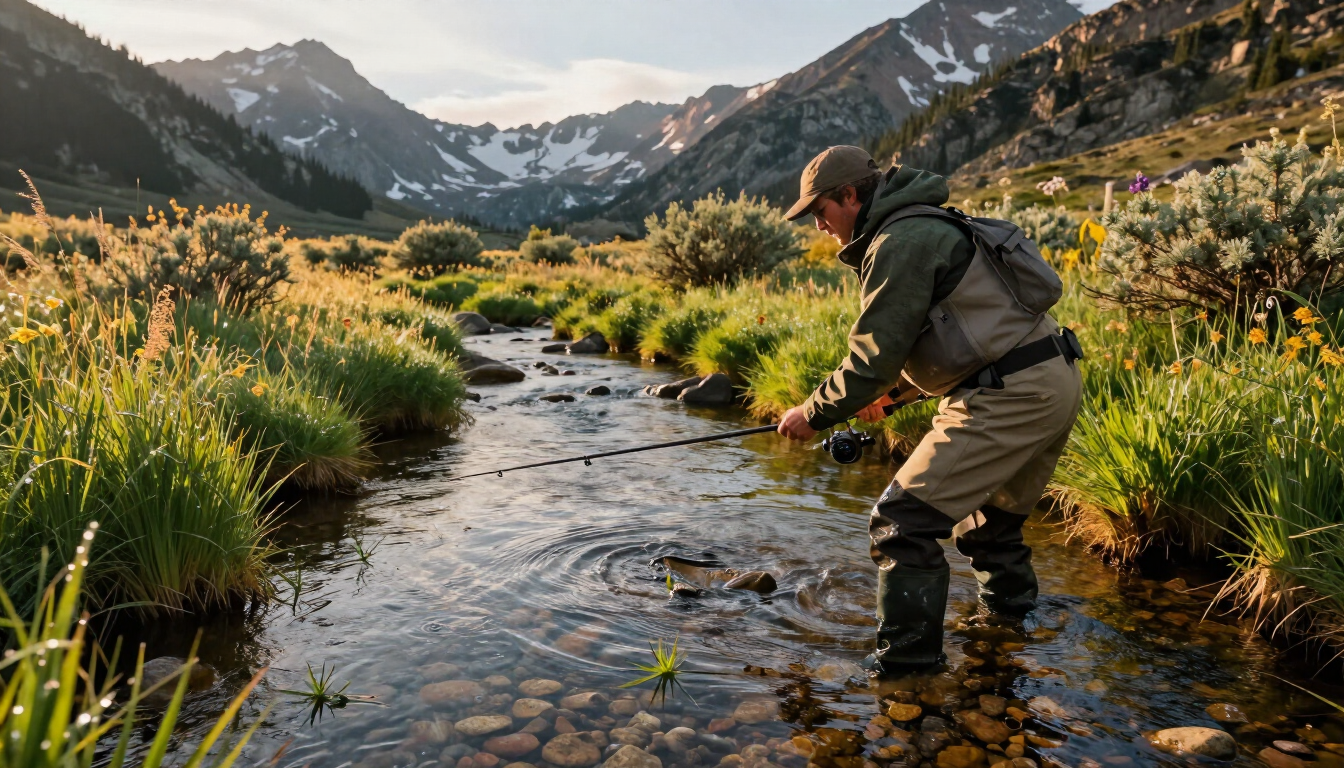
For the angler seeking a quiet, intimate experience, PRIVATE WATER access is the primary draw of the Paradise Valley spring creeks. Unlike public rivers where you might see dozens of drift boats or other wading anglers, these creeks are strictly managed to limit the number of rods on the water each day. This management ensures that the fish are not over-pressured and that every angler has ample space to explore without feeling crowded.
Understanding the concept of a "rod fee" is essential for anyone booking a trip to these prestigious waters. A rod fee is a daily access charge paid directly to the landowner of the ranch where the creek is located. This fee is separate from the guide's daily rate and serves several purposes:
- Resource Conservation: It funds the maintenance of the stream banks, weed bed management, and habitat protection.
- Guaranteed Privacy: By paying a rod fee, you are securing one of only a handful of slots available for that day.
- Low Pressure: Limited access means the trout, while still selective and technical, aren't seeing thousands of flies every week.
- Ranch Heritage: Many of these creeks have been cared for by local families for generations, and the fees help sustain the agricultural operations that protect the land from development.
While the cost may seem high compared to a public river, the value lies in the quality of the environment. You aren't just paying for fish; you are paying for the silence of the valley, the ability to spend two hours on a single 50-yard stretch of water, and the opportunity to test your skills against the most discerning wild trout in the lower 48. When you book a trip with Paradise Valley Angler, we handle the logistics of these reservations, ensuring you have access to the finest sections of these private systems.
What does a walk and wade day on a spring creek actually demand?
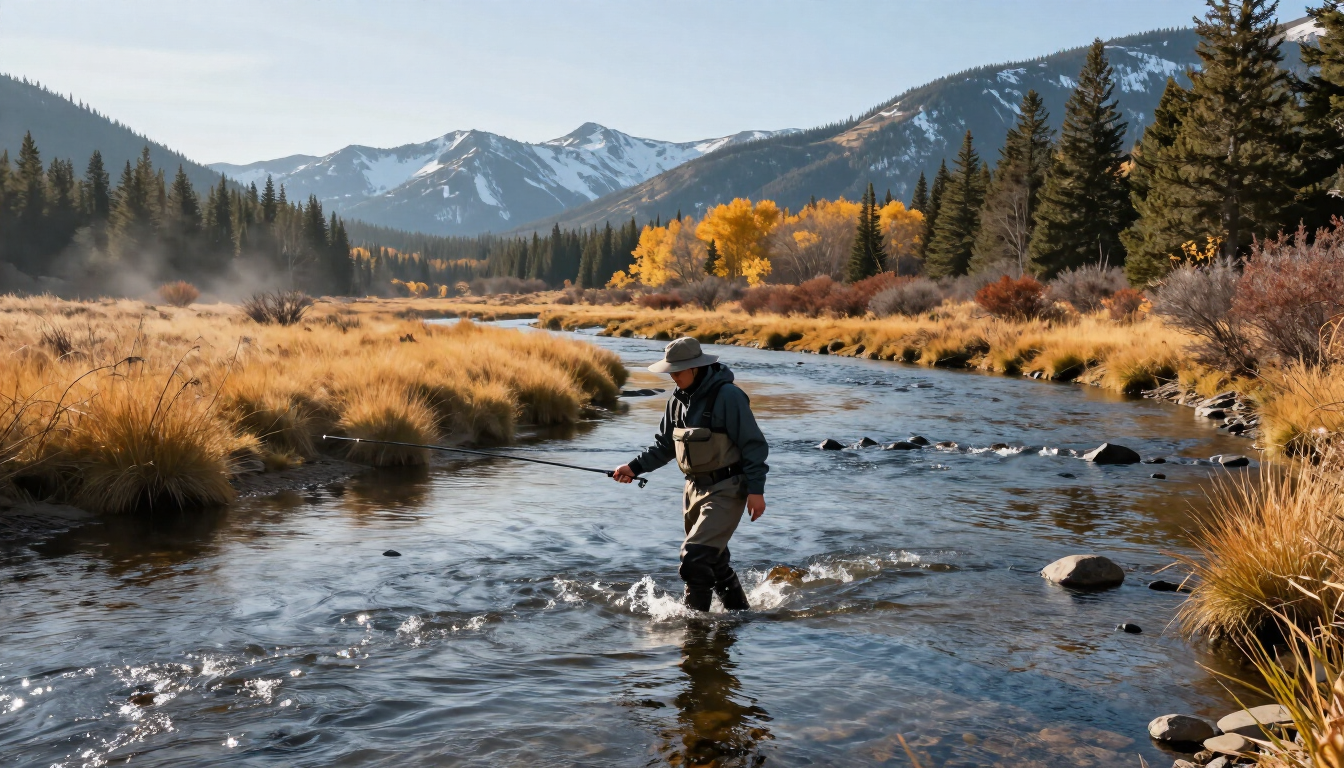
A day of WALK / WADE TRIPS on a spring creek is vastly different from a day in a drift boat. It is a physical and mental pursuit that requires patience and a high degree of situational awareness. Because the water is so clear and often slow-moving, the trout are hyper-aware of their surroundings.
Firstly, stealth is non-negotiable. Often, the day begins not by casting, but by crawling. Approaching the bank on your knees or staying well back from the water’s edge is necessary to avoid "spooking" the fish with your silhouette or the vibration of your footsteps. Your guide will often use binoculars to spot fish from a distance, identifying the biggest residents tucked against the undercut banks or hovering over the bright green Elodea weed beds.
Secondly, the physical demand is subtle but constant. You will be walking through tall grasses, navigating soft, silty bottoms, and maintaining a crouched position for extended periods. It is a slow-motion dance. You might spend thirty minutes observing a single rainbow trout as it sways inches to the left or right to intercept tiny nymphs. This is "surgical" fishing—every movement must be intentional.
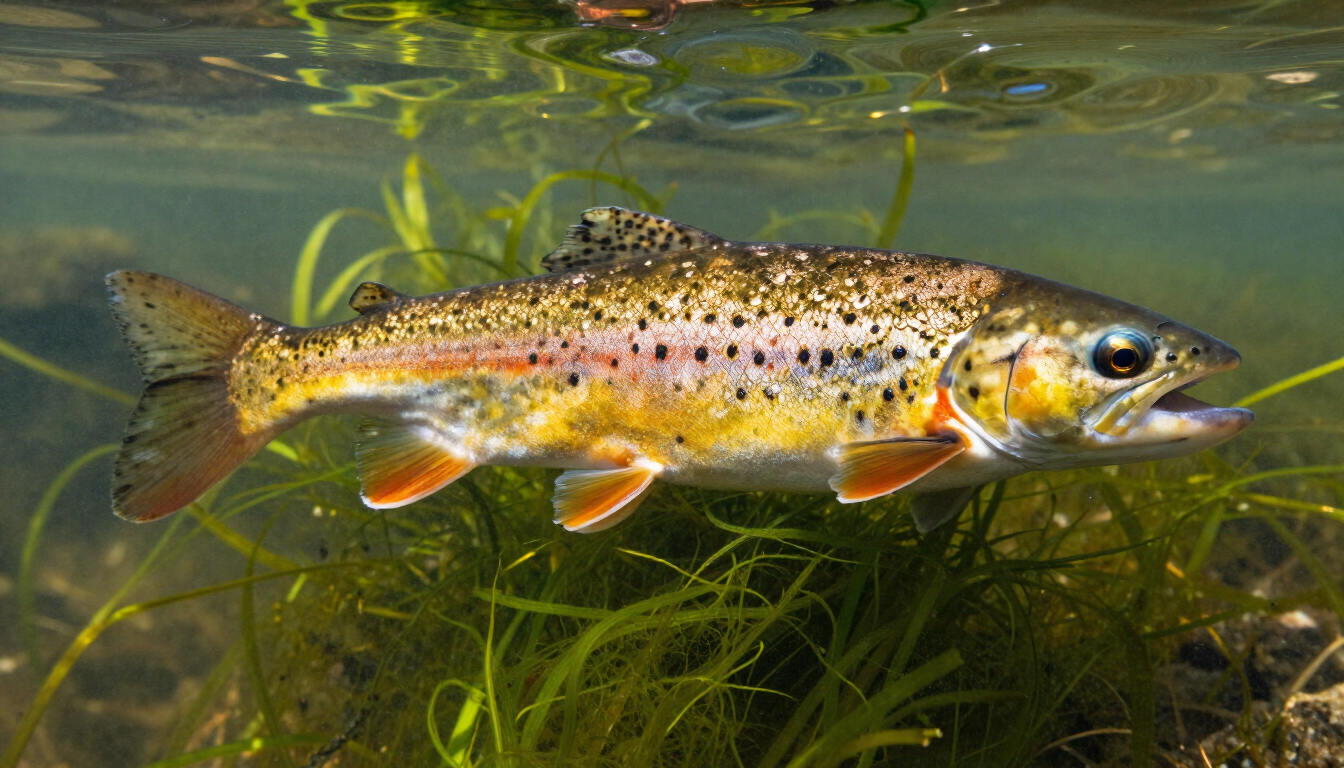
How to catch selective trout in crystal-clear water
Success on the spring creeks during the late summer requires a specific tactical approach. When the water is low and clear, the margin for error disappears. This is where the true "chess match" of fly fishing takes place. If you enjoy the challenge of perfecting your presentation, this is your arena.
Technical Tackle Requirements:
- Long Leaders: We often use leaders spanning 12 to 15 feet to keep the heavy fly line away from the fish's field of vision.
- Fine Tippet: Using 6X or even 7X fluorocarbon is common. The thin diameter is necessary to prevent the fish from seeing the connection to the fly.
- Small Flies: Late summer hatches involve tiny insects. Be prepared to fish size 20 to 24 midges and mayflies.
- Drag-Free Drift: Because the water has complex micro-currents caused by weed beds, achieving a natural drift is the hardest part. Any hint of tension on the line will cause the fish to reject the offering.
Late Summer Hatch Success While the spring creeks are famous for their Pale Morning Duns (PMDs) in early summer, August brings a shift toward Tricos and terrestrials. Trico hatches often occur in the cool of the morning, creating clouds of tiny spinners that can drive the trout into a feeding frenzy. However, once the sun is high, the "land-based" insects take center stage.
Fishing with beetles, ants, and crickets—collectively known as terrestrials—is some of the most exciting action of the year. Unlike the delicate sip of a mayfly, a trout taking a beetle is often more aggressive. These flies are also easier for the angler to see on the water, providing a brief reprieve from the eye-straining work of tracking a size 22 midge. Our guides at Paradise Valley Angler specialize in these technical transitions, helping you select the right pattern as the hatch evolves throughout the day.
Summary of the Late Summer Spring Creek Experience
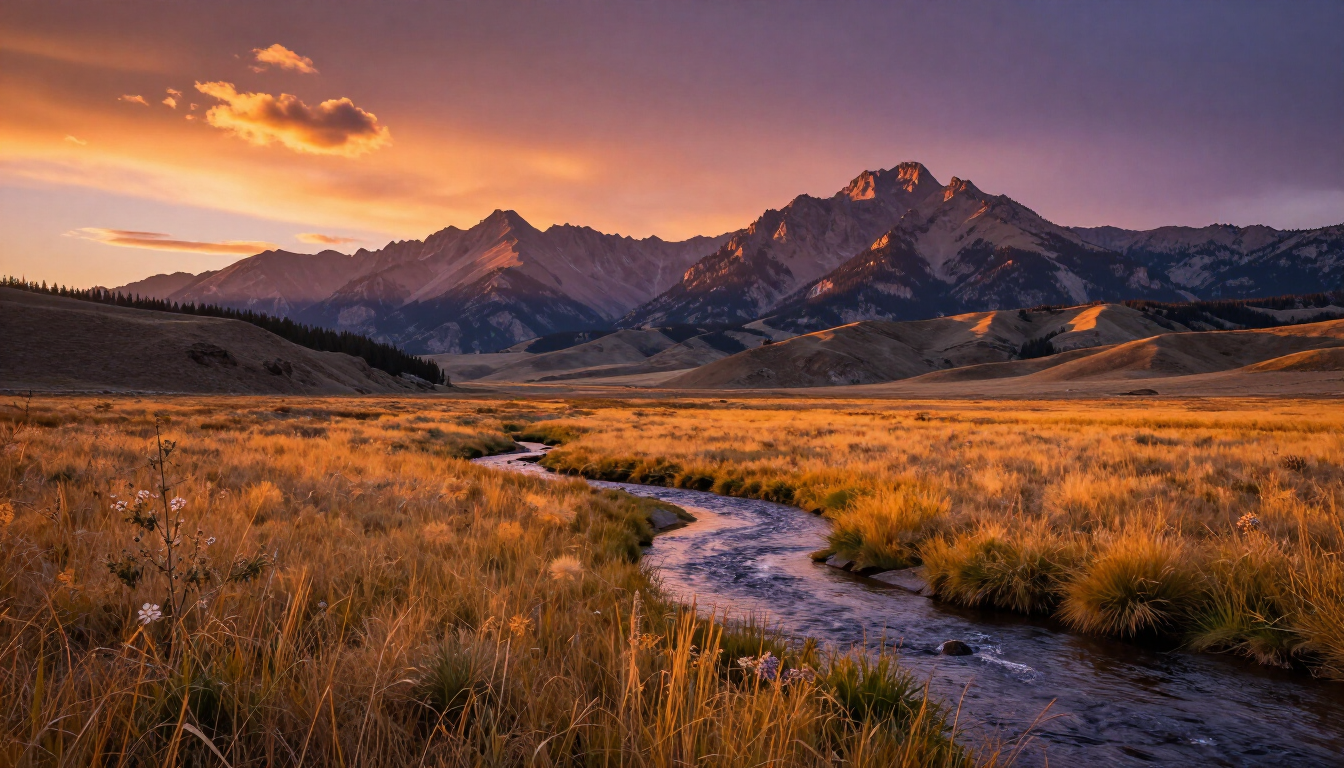
Choosing to fish the spring creeks in late summer is a commitment to the finer points of the sport. It is an experience defined by exclusivity, technical challenge, and the breathtaking beauty of the Montana landscape. While the freestones offer the thrill of the big river, the spring creeks offer the satisfaction of the perfect cast.
Key Takeaways for Your Trip:
- Exclusivity: Private water access ensures a low-pressure environment and no crowds.
- Technicality: Expect to use long leaders and fine tippets for highly selective trout.
- Stability: Spring-fed water remains cool and clear even during the hottest August days.
- Sight-Fishing: The primary method is spotting a specific fish before making a cast.
- Rod Fees: These mandatory fees support conservation and guarantee your spot on the water.
If you are ready to test your skills and experience the most legendary FISHING IN MONTANA , the late summer window on the spring creeks is waiting. Whether you are a seasoned angler looking to check this off your bucket list or a beginner eager to learn the art of stealth, we invite you to join us for an unforgettable day of walk and wade fishing. Contact Zach Petrich and the team at Paradise Valley Angler today to secure your private water reservation and plan your Montana adventure.
Recent Posts