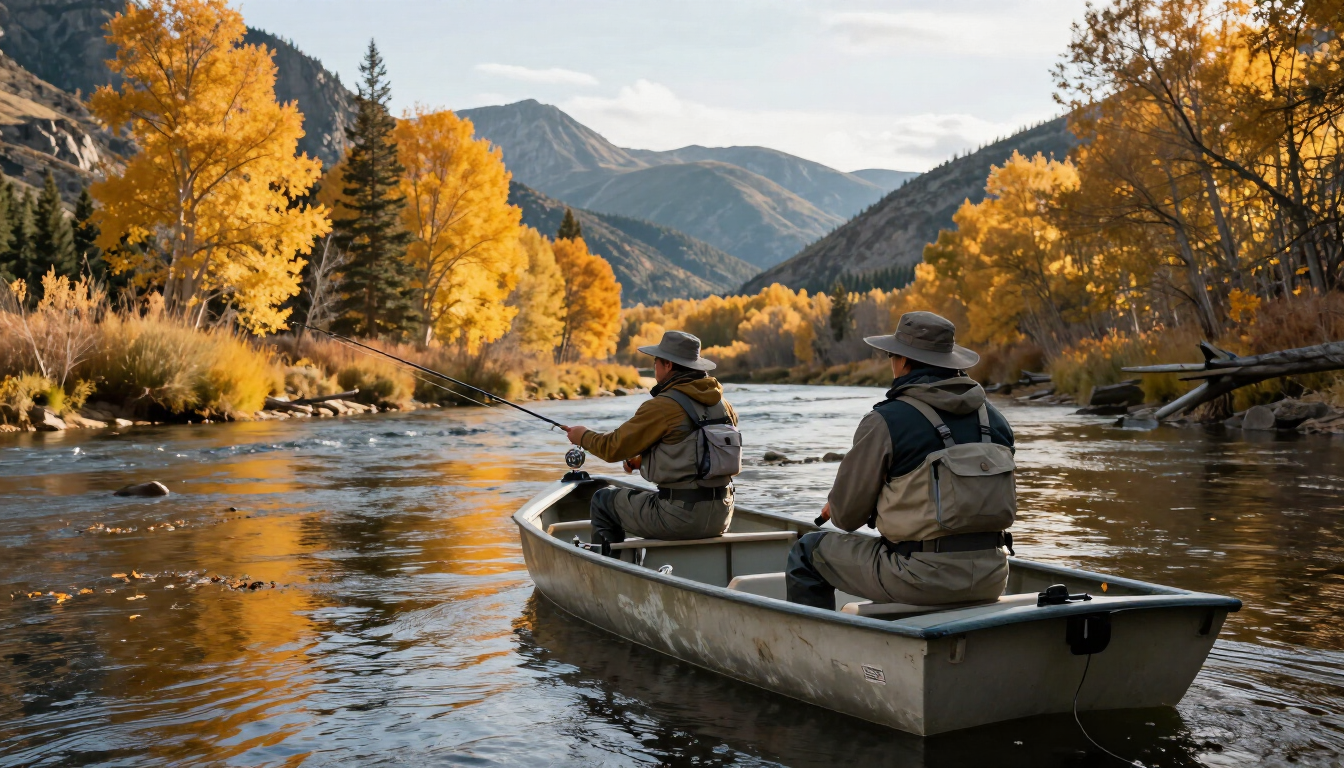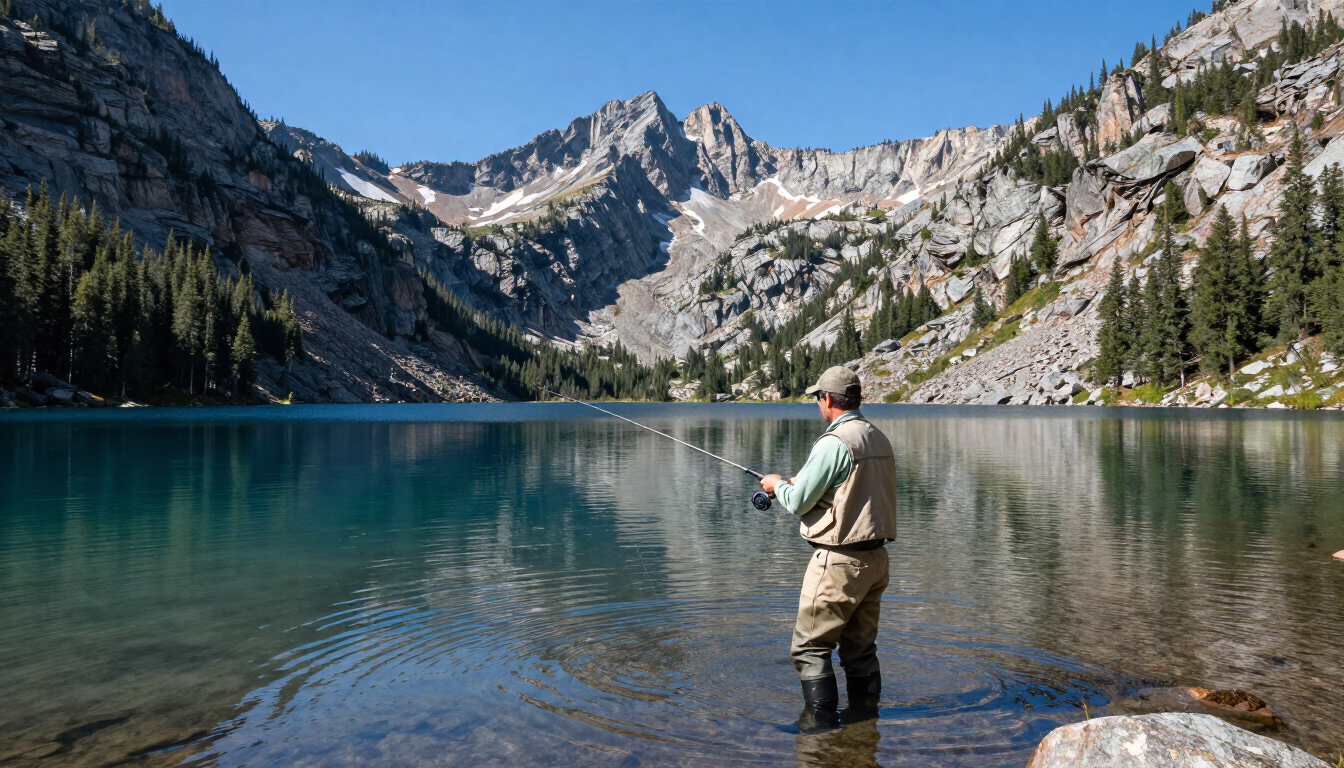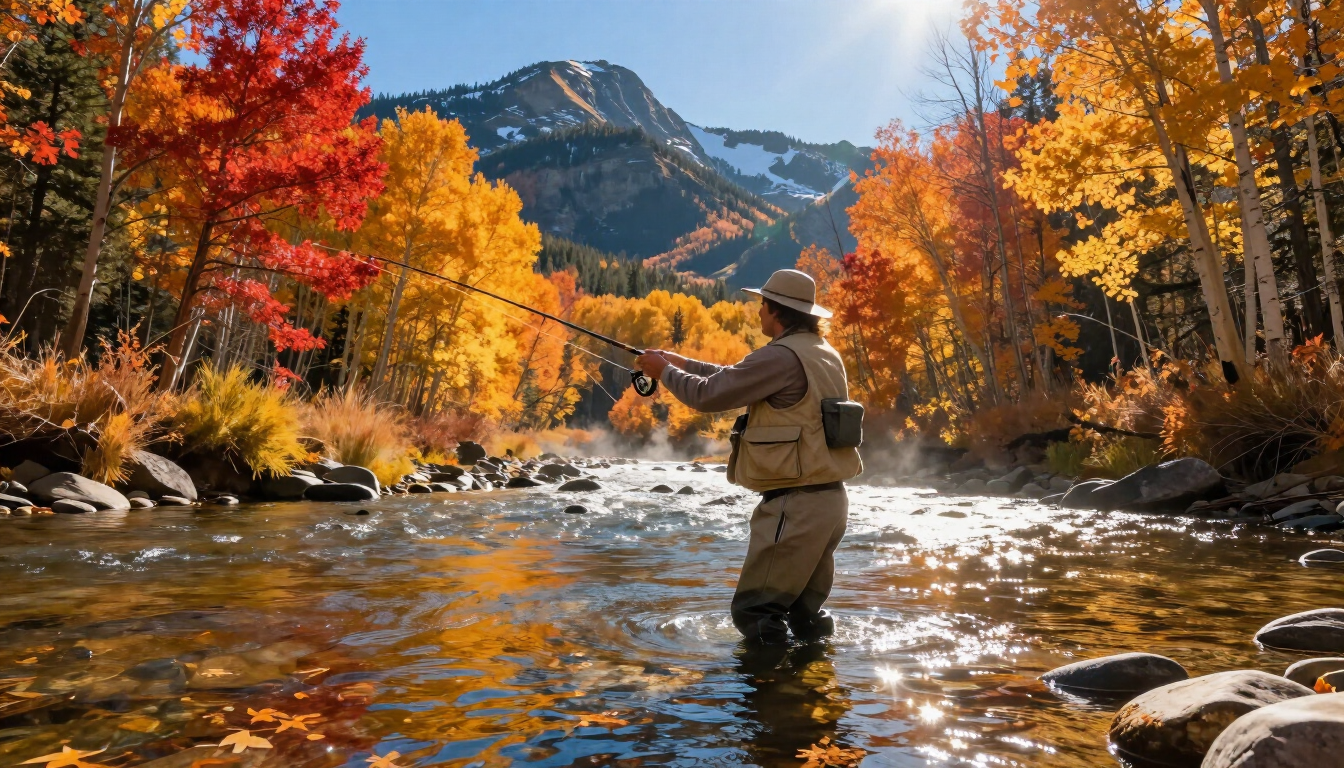

How to Plan Yellowstone Fly Fishing in Fall
Yellowstone fly fishing in late season is a cold-weather, short-day experience best suited to anglers prepared for changing conditions, careful wildlife awareness, and a slower walk-and-wade pace. A professional guide handles logistics, adjusts the plan to the day, and helps you understand the separate Yellowstone fishing permit requirements before you reach the water.
What does a late-season Yellowstone walk-and-wade day involve?
A late-season guided walk-and-wade day in Yellowstone National Park is generally quieter, more deliberate, and more weather-dependent than a midsummer outing. You may begin in freezing temperatures, hike or walk along a river, and fish through a limited window of daylight before conditions change.
The reward is a remarkably peaceful park experience. Roads, overlooks, and popular fishing access points can feel less crowded, while autumn color, open landscapes, and active wildlife create an atmosphere that is difficult to find during the busiest months.
Your guide can help you:
- Select water appropriate for current conditions and your experience.
- Adjust the start time and route around cold, wind, weather, and daylight.
- Provide instruction, equipment guidance, and practical stream etiquette.
- Watch for changing river conditions and signs of nearby wildlife.
- Build a comfortable plan for a half-day or full-day outing.
For an overview of local options, explore Paradise Valley Angler’s walk / wade trips and Yellowstone National Park fishing waters .

Why choose Yellowstone fly fishing in fall?
The late season offers a different kind of fishing experience. Fewer visitors can mean more solitude at access points and along the river. Wildlife may also be more visible as animals move through the landscape, prepare for winter, or use river corridors.
That quiet comes with tradeoffs. Fish and wildlife behavior can change quickly, and the best outing may involve fewer casts, more observation, and careful movement. A guide’s local knowledge is particularly valuable when water, access, weather, and park activity vary from one day to the next.
Fewer visitors and more room to explore
Reduced traffic can make a guided walk more relaxed. You may spend less time navigating crowded parking areas and more time studying likely water, reading currents, and enjoying the scenery. Solitude, however, should never be interpreted as a reason to ignore park regulations or safety practices.
Cold mornings and shorter daylight
Plan for a real cold-weather start. Temperatures can be significantly lower than they were in town, especially near water and before sunrise. Daylight also ends earlier, so a late-season itinerary must be built around a narrower fishing window.
Dress in layers and bring warm, weather-resistant clothing. Your guide can explain what gear is supplied and what personal items you should pack. Review trip details and rates before booking, especially if you are combining fishing with a broader park itinerary.
What should you bring for a late-season fishing day?
A practical packing list makes the experience safer and more comfortable. Ask your outfitter for trip-specific recommendations, then prepare for colder and wetter conditions than the forecast may suggest.
- Warm base layers, an insulating layer, and a waterproof outer shell.
- Gloves, a warm hat, sunglasses, sunscreen, and sturdy footwear.
- Water, personal medications, and small snacks for the trail.
- A fully charged phone kept secure and protected from the elements.
- Any required identification, permits, or documentation.
A guide can provide fishing equipment, instruction, transportation, and streamside meals when included in the selected trip. Confirm inclusions before your departure so your personal packing list stays focused on clothing, comfort, and safety.

Do you need a separate Yellowstone fishing permit?
Yes. A Montana fishing license does not cover fishing inside Yellowstone National Park. Anglers must obtain the separate Yellowstone National Park fishing permit required by the park, and they must follow the park’s current regulations, approved waters, restrictions, and season information.
Rules can change, so do not rely on an old permit, a general Montana license, or informal advice. Review the National Park Service fishing page for current permit rules and season dates before your trip. Your guide can help you understand what to prepare, but the National Park Service is the authoritative source for park requirements.
This distinction is important when you are visiting from outside Montana. A fishing license purchased for other waters in the state may be valid for those waters while still being insufficient for a Yellowstone outing.
How should anglers prepare for wildlife in grizzly country?
Treat grizzly country as a serious safety consideration, not as a sightseeing feature. Yellowstone is a wild landscape, and wildlife encounters can occur near rivers, trails, roads, and parking areas. Conditions and animal behavior are unpredictable.
Before fishing, review the National Park Service’s official guidance on hiking and wildlife safety, including recommendations for traveling in bear country. Read the park’s bear safety guidance, follow all posted instructions, and ask your guide about the day’s route and protocols.
Important principles include:
- Stay alert and maintain appropriate distance from wildlife.
- Never approach, surround, feed, or attempt to photograph animals closely.
- Follow group procedures, make your presence known where appropriate, and avoid surprising wildlife.
- Keep food and scented items managed according to current park guidance.
- Obey closures, signs, ranger instructions, and guide direction immediately.
Do not assume that a quiet riverbank is safe simply because you do not see animals. A responsible guide takes wildlife activity seriously and may change the route or end the fishing plan when conditions warrant it.
A guide-led approach to the day
A professional guide helps turn a complicated late-season outing into a realistic plan. That does not mean guaranteeing a particular catch or ignoring conditions. It means making informed decisions based on weather, water, access, daylight, angler ability, and wildlife considerations.
A typical planning conversation covers:
- Your fishing experience, goals, physical ability, and preferred pace.
- The park portion of your itinerary and available daylight.
- Clothing, equipment, transportation, meals, and permit responsibilities.
- Weather and wildlife considerations for the selected route.
- A backup plan if conditions make the original water inappropriate.
Visitors combining a park trip with Montana fishing may also compare nearby options such as Yellowstone River trips , private water access , or other Montana fishing trips . The right choice depends on whether your priority is park access, solitude, instruction, scenery, or a flexible itinerary.

Is a late-season Yellowstone fishing trip right for you?
This experience is a strong fit if you value quiet water, dramatic scenery, patient fishing, and professional guidance more than warm temperatures or a long summer day. It may not be ideal if you want a casual outing without cold-weather clothing, early planning, permit preparation, or wildlife responsibilities.
Before reserving, consider your group’s comfort with walking, uneven terrain, cold, changing weather, and limited daylight. Families and first-time anglers can still enjoy the experience when the itinerary is tailored appropriately, but honest communication with the outfitter matters.
Plan your Yellowstone fly fishing day
Late-season Yellowstone fly fishing rewards preparation. Expect cold mornings, shorter days, fewer visitors, and a wild landscape where wildlife awareness must remain central. Obtain the separate Yellowstone National Park fishing permit, check current National Park Service rules and season dates, and follow official bear-country guidance. Then speak with a professional outfitter about water, equipment, walking ability, timing, and backup plans. If the conditions and responsibilities fit your trip, a guided walk-and-wade day can add a quiet, memorable fishing experience to your fall park visit. Start by reviewing available trips or contacting Paradise Valley Angler to discuss your plans.
Recent Posts