
5 Reasons to Try Stillwater Fly Fishing Montana (2026)
Stillwater fly fishing in Montana offers a serene, technical alternative to crowded rivers. It involves specialized casting, slow retrieves, and high-altitude solitude. By booking through Paradise Valley Angler , you gain exclusive access to private lakes where low pressure and technical challenges define the premier angling experience.
Why is stillwater fly fishing Montana different?
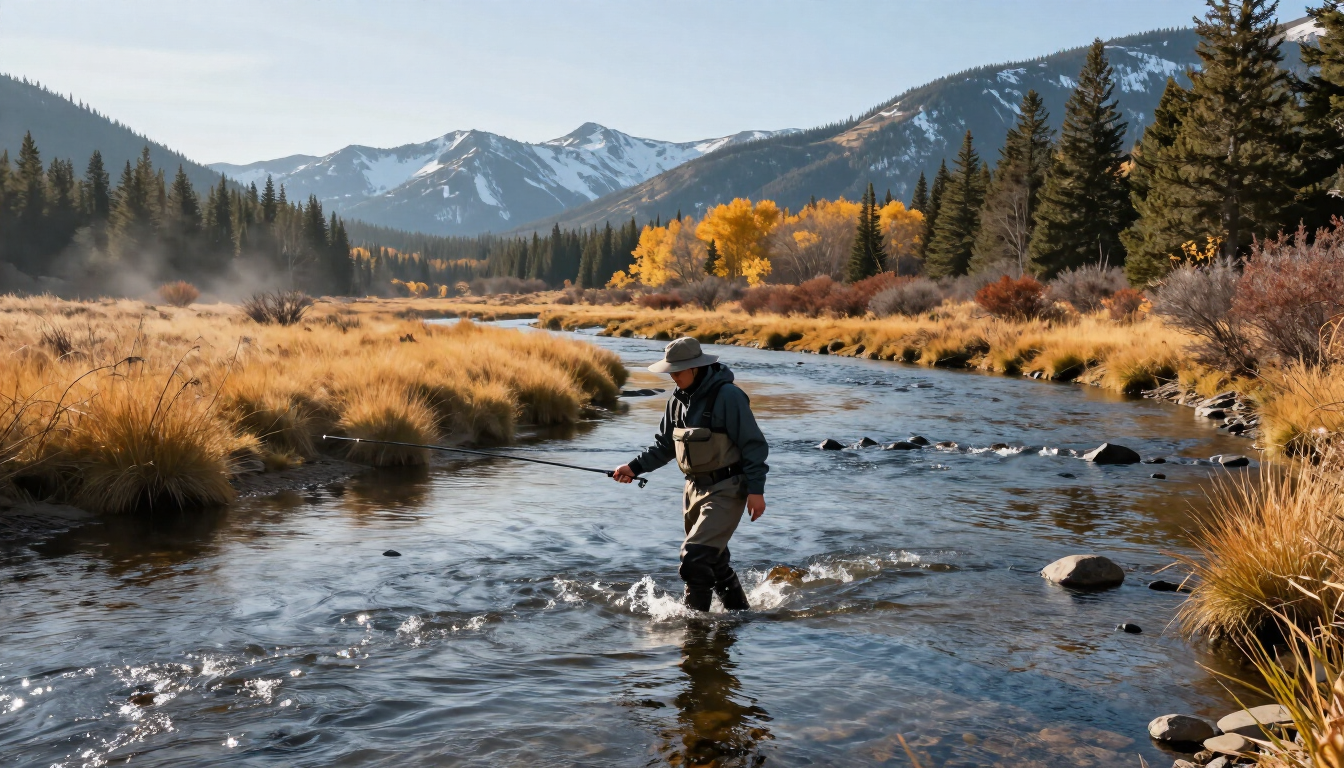
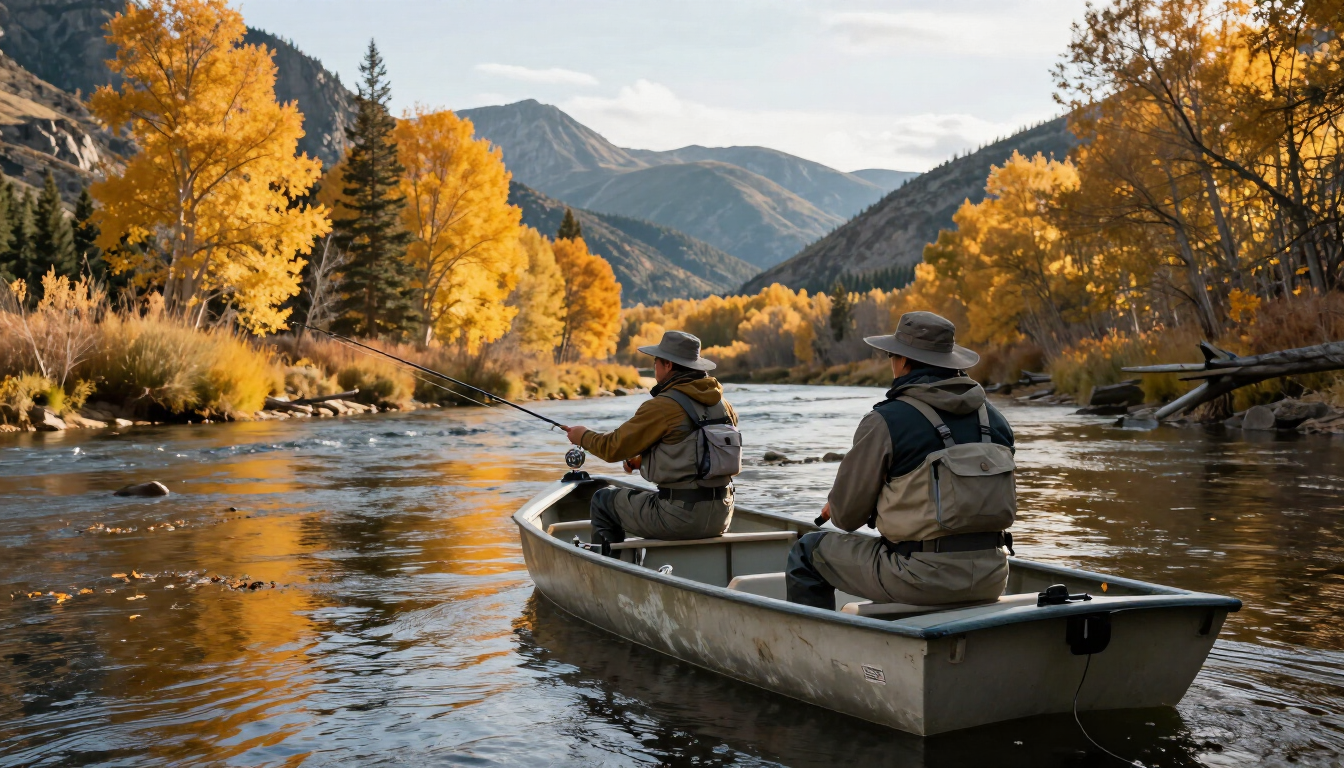
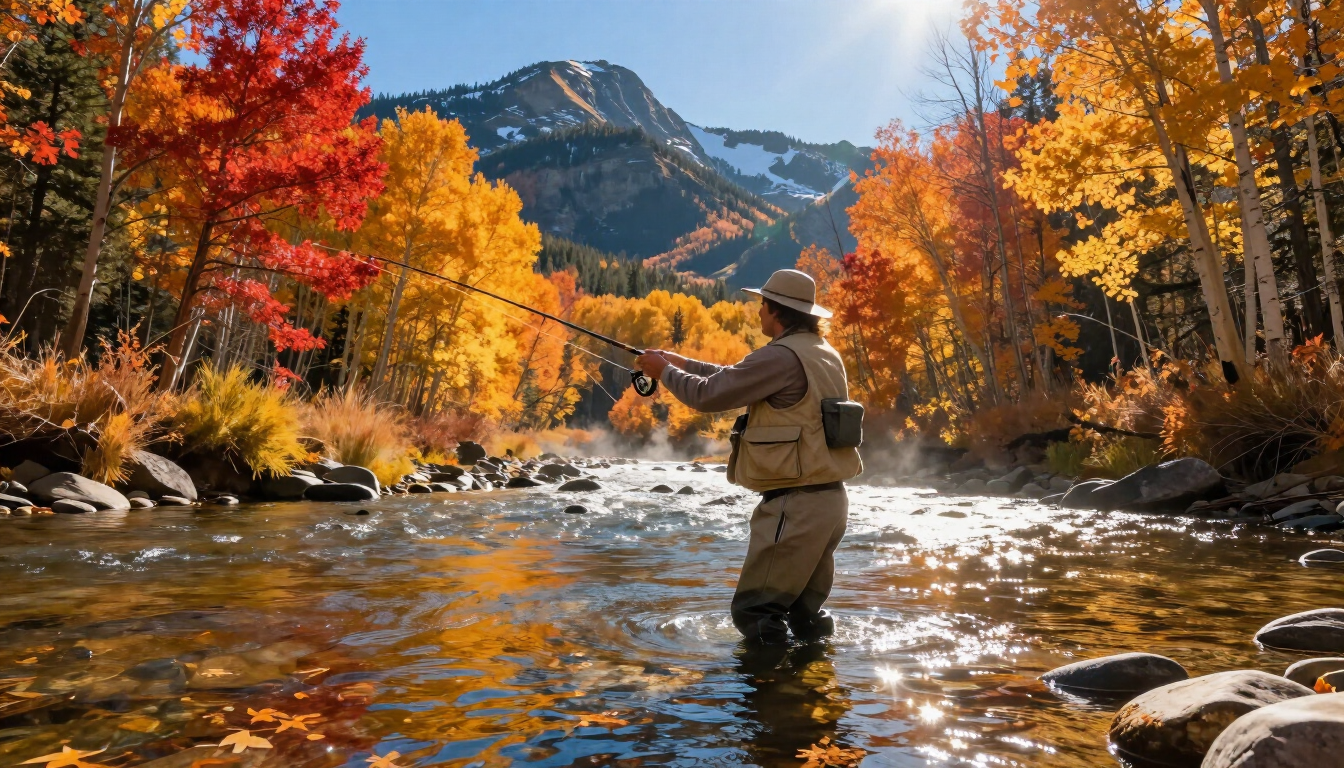
When most people think of Montana, their minds immediately drift to the rhythmic pulse of the Yellowstone or the heavy currents of the Madison. They envision drift boats cutting through white water and anglers battling the flow to reach a rising trout. However, there is a parallel universe in the Big Sky state that operates at a much slower, more deliberate frequency: stillwater. Stillwater fly fishing Montana style isn't just about moving from moving water to flat water; it is an entirely different discipline that requires a mental gear shift and a refined physical approach.
In a river, the current is your conveyor belt. It brings the food to the fish, and it dictates how your fly should move. In a lake or a high country pond, the fish are the hunters. They cruise. They patrol. They are not waiting for a buffet to drift by; they are actively seeking out their next meal across a vast, glassy expanse. This changes the dynamic of the hunt. You aren't just reading a seam; you are reading a landscape. You are looking for submerged ledges, weed beds, and the subtle dimples of a midge hatch that could be happening three hundred yards away. It’s a game of stealth and observation that rewards the patient angler who understands that silence is often the most effective tool in the kit.
Stillness as a Strategy
Transitioning to lakes means leaving the "splash and dink" mentality of heavy river nymphs behind. In the high country, the water is often so clear that you can see the spots on a trout’s back from twenty feet away. This transparency is a double-edged sword. While it allows for incredible sight-fishing opportunities, it also means the fish can see you, your rod tip, and your poorly timed false cast just as clearly. Success in stillwater requires a strategy of minimalism.
Anglers who excel here are those who can sit quietly on a shoreline or in a float tube and simply watch for ten minutes before making a single cast. You’re looking for the "cruising lanes"—the predictable paths trout take as they circle a lake looking for forage. By identifying these patterns, you can position yourself to intercept the fish rather than chasing them. It is a more meditative form of fishing in Montana , one that trades the adrenaline of the rapids for the deep satisfaction of a perfectly timed ambush in the quiet.
What retrieves work best for Montana lakes?
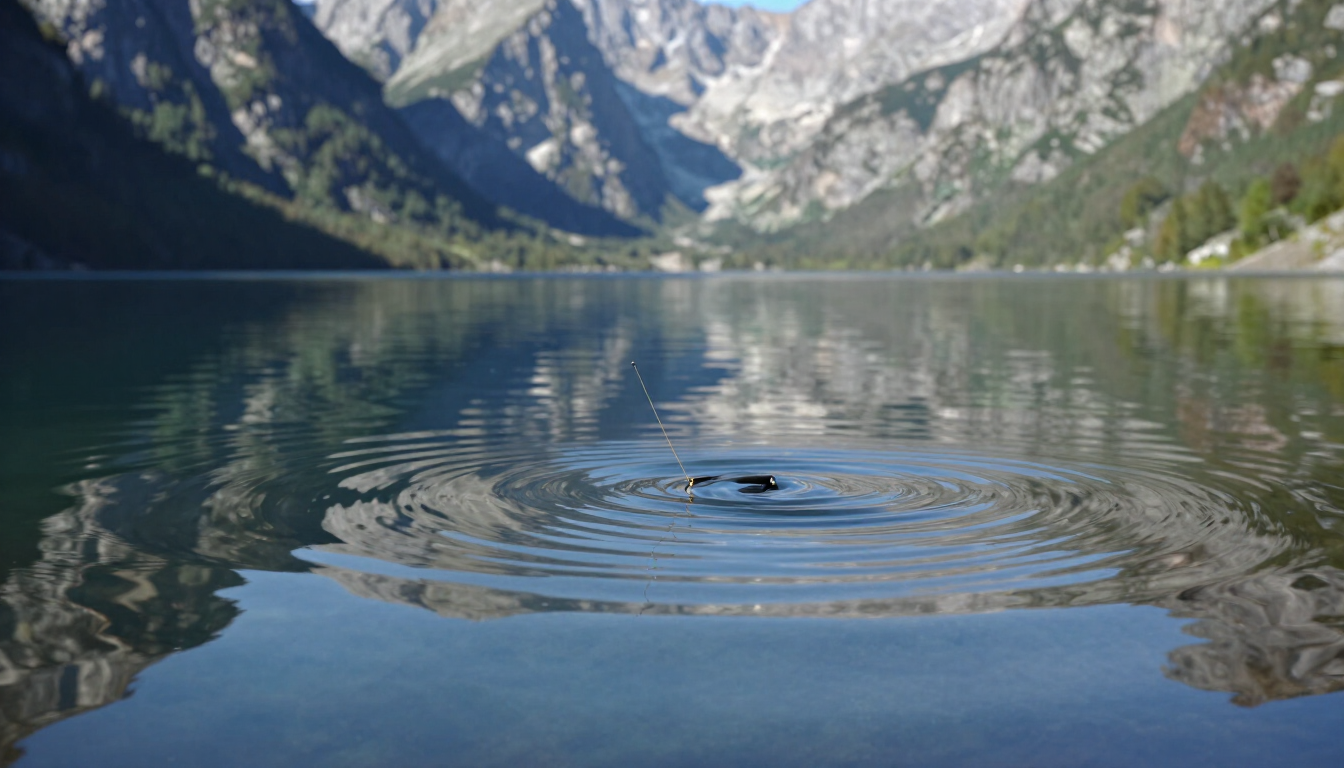
Unlike the dead-drift required on the Yellowstone River , lake fishing is all about the retrieve. If your fly isn't moving, it often isn't interesting to a lake-dwelling trout. However, "moving" doesn't always mean "fast." One of the most common mistakes river anglers make when they hit stillwater is stripping their fly like they’re trying to win a drag race. In reality, the most effective retrieves are often agonizingly slow.
- The Figure-Eight: A slow, hand-over-hand crawl that keeps the fly moving at a consistent, glacial pace, perfect for midge larvae.
- The Pulsed Strip: Two short tugs followed by a long pause, mimicking the erratic movement of a wounded baitfish or a swimming damsel nymph.
- The Static Hang: Using a long leader and a buoyant indicator to keep a fly suspended at a specific depth, allowing the natural subsurface chop to provide the movement.
- The Long Draw: A smooth, three-foot pull used primarily for streamers to cover large sections of the water column.
- The Twitch: Micro-movements of the rod tip that make a dry fly look like it’s struggling to take off from the surface film.
Mastering these variations is the key to cracking the code. You have to experiment until the fish tell you what they want. Some days they want the speed of a fleeing minnow; other days, they won't look at anything that isn't barely trembling in the water column. This variety keeps the experience fresh and intellectually stimulating.
The Technicalities of High Altitude Angling
High country lakes present unique environmental challenges that don't exist in the valley floor. At 8,000 feet, the air is thinner, the weather is more volatile, and the insects are often smaller. You might start the morning in a t-shirt and find yourself in a localized snow squall by lunch. This volatility extends to the fish behavior. The "hatch window" in the high country is much narrower than on the Madison River . When the sun hits the water and the temperature rises just a few degrees, the lake can suddenly erupt with life.
Technical fly fishing in these environments often means scaling down your gear. While a 5-weight rod is the standard Montana workhorse, many stillwater enthusiasts prefer a 6-weight for its ability to punch through the inevitable mountain winds, paired with extra-long leaders (sometimes 12 to 15 feet) to prevent spooking fish in the crystalline water. Understanding the bathymetry—the underwater topography—of these lakes is also crucial. Knowing where the drop-offs are and where the old creek channels lie is the difference between a day of casting practice and a day of catching fish. At Paradise Valley Angler , we specialize in deciphering these mountain mysteries for our guests.
How do private water rod fees work?
For the angler who prioritizes exclusivity, Montana’s private water lakes are the gold standard. But for many, the concept of a "rod fee" is a bit of a mystery. Essentially, a rod fee is a daily access payment made directly to a private landowner or rancher, separate from the guide fee. It is the cost of entry to a managed, low-pressure fishery that is not open to the general public.
Think of it as a VIP pass for the outdoors. Because these waters are strictly limited to a handful of anglers per day—sometimes as few as two or four on an entire lake—the fish are not "educated" by a constant barrage of flies. They remain wild, aggressive, and much more likely to engage with a well-presented fly. While the public rivers can feel like a crowded highway during the peak of July, a private lake feels like your own personal wilderness. When you book a trip involving private water , we handle the logistics and the relationships with the ranchers, ensuring that your rod fee guarantees you a day of undisturbed peace. It’s an investment in the quality of your experience and the solitude of your soul.
The Price of Peace and Exclusivity
In the modern fly fishing world, space has become a luxury. You can buy the most expensive rod and the flashiest waders, but you can’t buy a quiet river if there are twenty boats at the boat ramp. This is why stillwater and private access have become so popular among seasoned anglers. The "price" of peace isn't just the rod fee; it's the willingness to step away from the famous named runs and explore the quiet corners of a ranch.
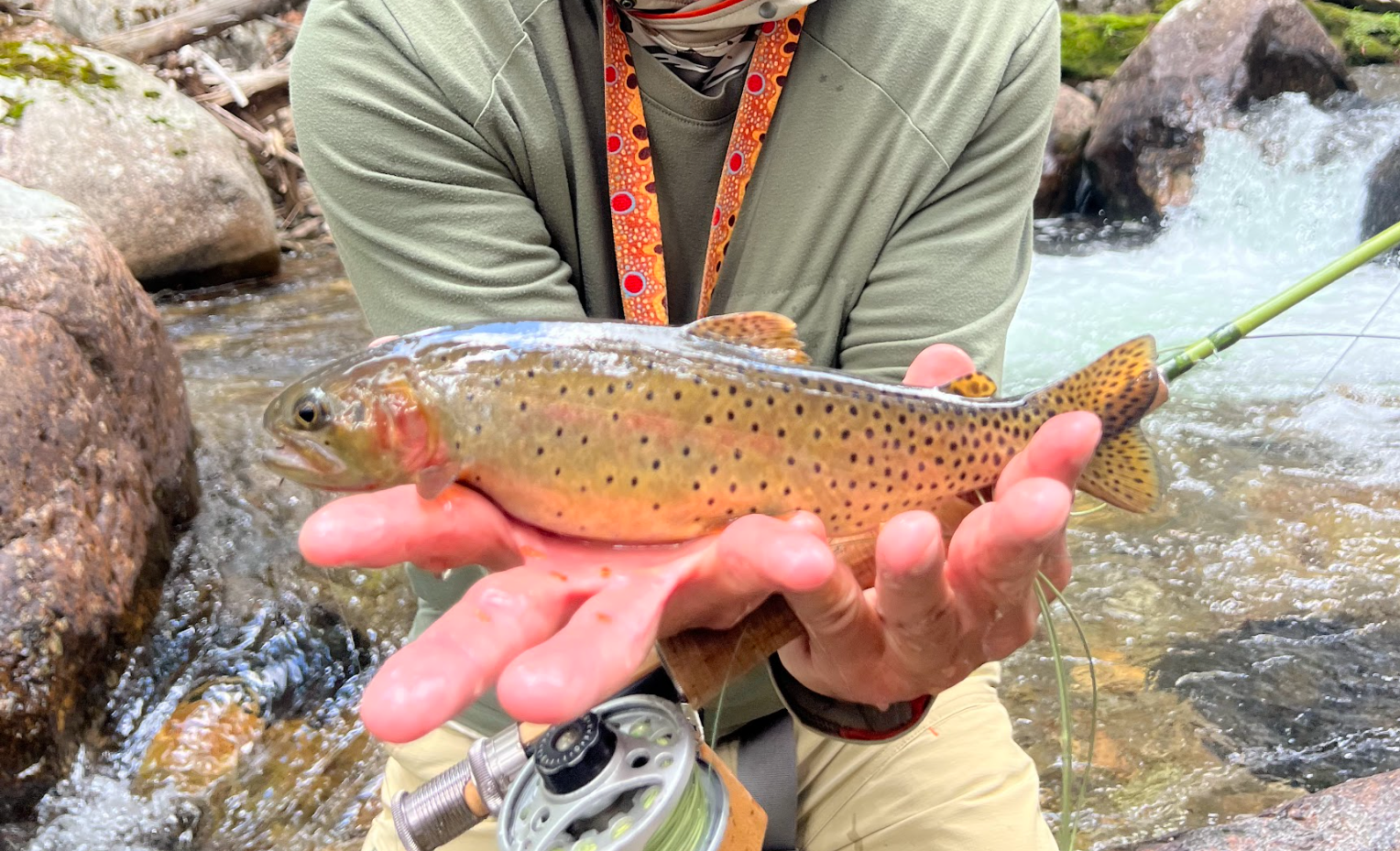
On these private lakes, the pressure is near zero. You aren't racing to "the spot" because the entire lake is yours for the day. This lack of competition changes the way you fish. You can take the time to untangle a knot without feeling like someone is going to steal your hole. You can sit on a log and eat a leisurely lunch while watching a bald eagle hunt, knowing that no one is going to float by and disturb the moment. This is the essence of what we offer at Paradise Valley Angler—a return to the authentic, unhurried Montana that inspired the legends.
Why choose high country lakes over rivers?
If you’ve spent your life casting into moving water, you might wonder why you should bother with a lake. The answer lies in the challenge and the change of pace. Rivers are predictable in their unpredictability; lakes are a puzzle that requires a different set of tools to solve. The visual nature of high country lake fishing is unparalleled. Seeing a large trout cruise out of the depths, inspect your fly, and slowly inhale it in three feet of water is a heart-stopping experience that a blind-cast in a river simply cannot match.
Furthermore, lakes often hold the true giants. Without the constant need to fight a heavy current, trout in stillwater can dedicate more of their caloric intake to growth. They are thick, powerful, and have an endurance that surprises river veterans. When a lake trout decides to run, there’s no current to help you; it’s just you, your drag, and a lot of backing. Choosing stillwater & lakes is a choice to test your skills in a stadium where the lights are low, the crowd is non-existent, and the stakes are purely personal.
Planning Your Alpine Escape
Preparing for a high country lake trip requires a bit more foresight than a standard float trip . Because these locations are often remote and at higher elevations, you need to be self-sufficient. At PVA, we ensure that our guests are equipped with the right gear, from specialized sinking lines to the specific terrestrial patterns that work when the mountain meadows are in full bloom. We also factor in the physical nature of the trip. Some lakes are accessible by a short walk from a ranch road, while others require a more vigorous hike. We tailor the experience to your fitness level and your goals.
Whether you are a beginner looking for the space to learn without the pressure of a moving boat, or a seasoned pro seeking the technical challenge of a 20-inch trout on a size 22 midge, the stillwaters of Southwest Montana are waiting. It’s about more than just the fish; it’s about the silence of the mountains, the reflection of the peaks on a glass-smooth surface, and the feeling of being the only person in the world with a fly in the water.
Summary of Stillwater Excellence
Stillwater fly fishing in Montana is a premier, technical experience defined by stealth, specialized retrieves, and unparalleled solitude. Unlike the high-traffic rivers, Montana’s high country and private lakes offer a low-pressure environment where anglers can sight-fish for wild trout in crystalline water. By understanding the value of rod fees and private access, you unlock a level of exclusivity that is becoming increasingly rare in the West. Whether you are navigating a hatch at 9,000 feet or slow-stripping a lech pattern on a private ranch, this is fly fishing in its most distilled and peaceful form.
- Exclusivity: Private water access ensures near-zero fishing pressure.
- Technique: Master slow, deliberate retrieves and long-leader presentations.
- Visuals: Experience the thrill of sight-fishing in high-altitude clarity.
- Solitude: Trade the crowded boat ramps for the quiet of the high country.
- Action: Contact Paradise Valley Angler to book your specialized stillwater adventure today.
Recent Posts