
5 Ways Fall Fly Fishing Montana Rewards Anglers
Fall fly fishing in Montana typically brings quieter boat traffic, changing light, and trout responding to a landscape in transition. On Paradise Valley Angler’s home waters, a guided float adapts to the day’s weather, clarity, pace, and angler goals rather than following a fixed script. Autumn rewards observation more than certainty.
Why does fall fly fishing in Montana feel different?
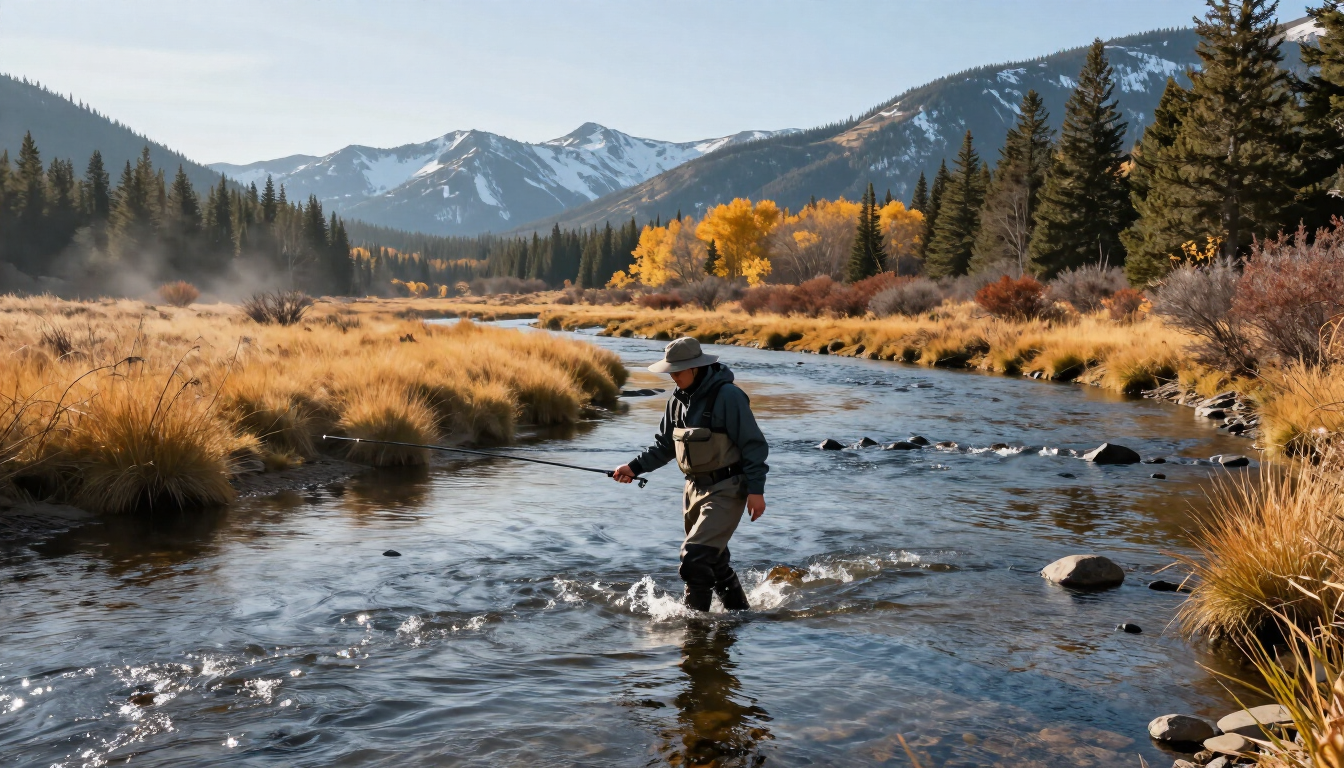
Autumn changes the character of a river without making it predictable. Summer’s long days begin to shorten, the angle of the sun shifts, and the cottonwoods gather color along the banks. Those changes affect how the water looks, how a boat moves through the day, and how an angler reads each run.
One of the most noticeable differences is the atmosphere. A fall river can feel spacious and unhurried, with fewer boats passing through familiar stretches. That does not mean every day is quiet, or that solitude is guaranteed. It means autumn often creates more room to focus on the water in front of you.
For an experienced angler, that room can be valuable. Rather than covering water quickly, you may spend more time considering structure, current seams, light, and the subtle decisions that make a presentation effective. Fall fly fishing in Montana is often less about repeating a summer routine and more about paying attention.
What can changing light mean on the river?
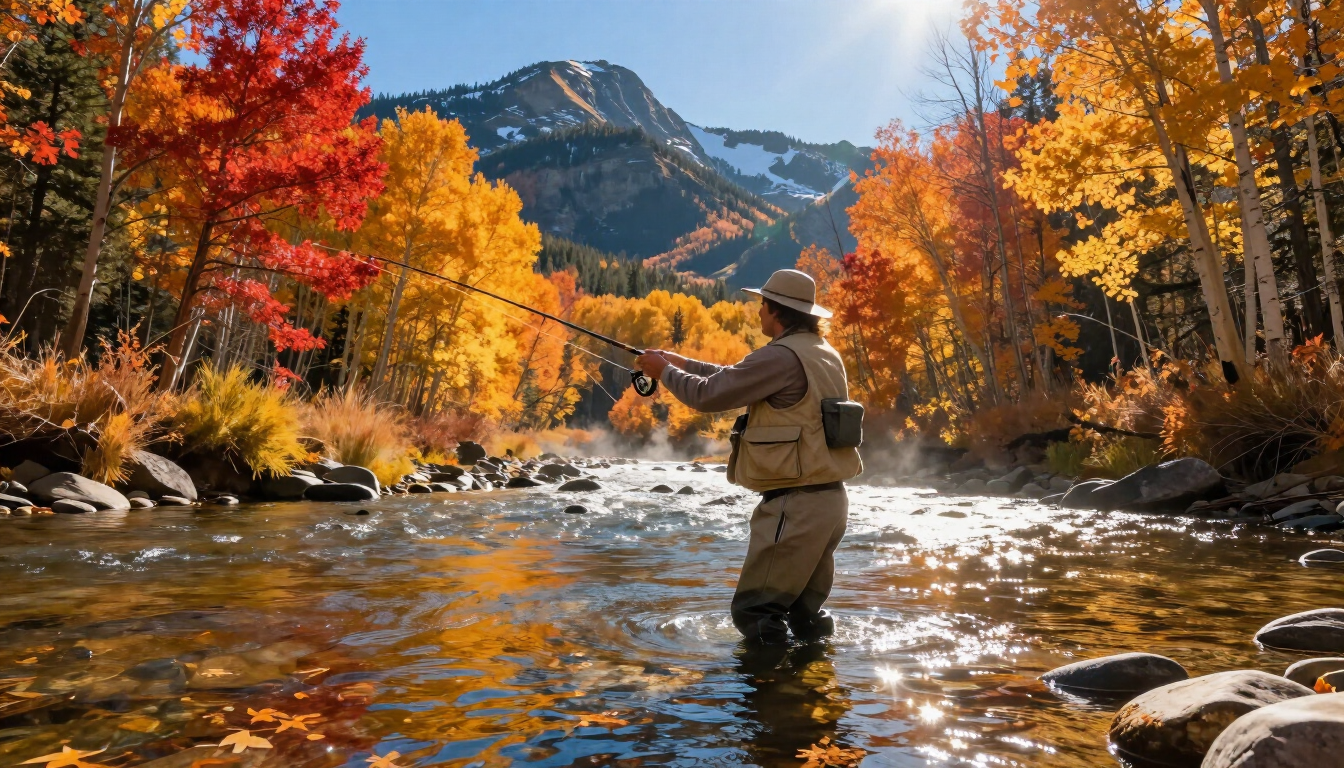
Fall light tends to make the day feel dynamic. Early shadows can sit across the water, while later sun may open new lanes and reveal details that were difficult to see before. Cloud cover, wind, and the position of the banks can all change the visual character of a run.
A guide can help turn those changes into useful information. Instead of treating light as a minor detail, the day’s plan may account for:
- Which banks are shaded or exposed
- How glare affects visibility
- Where changing light makes current seams easier to read
- When to slow down, reposition, or move on
- How the angler’s comfort affects the pace of the float
The result is not a promise of more activity. It is a more deliberate way to fish. A skilled guide watches the river while also watching the angler, helping connect observation with practical choices.
A season for reading water
Autumn can reward anglers who enjoy solving small problems. A familiar stretch may look different when the sun is lower, leaves line the banks, or wind moves across the surface. The guide’s role is to offer local perspective while leaving room for the angler to think through the water.
That balance is central to a good guided float: instruction when it is useful, quiet attention when it is not, and adjustments as conditions develop.
How does trout behavior change as the season turns?
Trout do not follow a calendar with perfect consistency. Their behavior can vary with weather, water conditions, available food, and the character of a particular river or creek. That variability is one reason fall fishing can be engaging for anglers who prefer to observe before acting.
On Montana waters PVA fishes , the approach may involve looking closely at depth, current, bankside cover, and the way fish respond to a presentation. Rather than assuming one pattern or technique will define the day, a guide helps evaluate what the river is communicating.
This can make autumn especially appealing to experienced anglers. The focus may shift toward precision and timing: making a thoughtful cast, managing a drift, or deciding whether a likely piece of water deserves another careful look. The satisfaction comes from participating in the process, not from expecting a guaranteed result.
How does a guided float adapt in autumn?
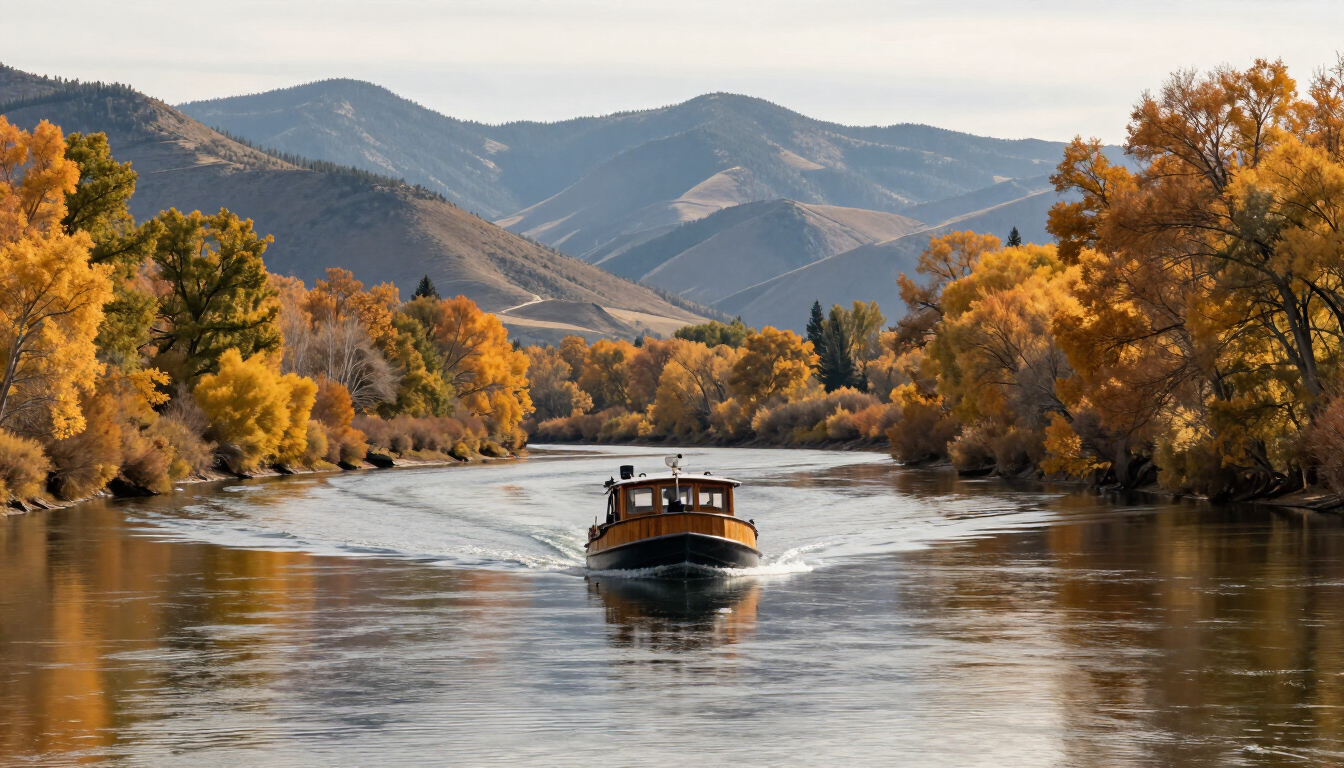
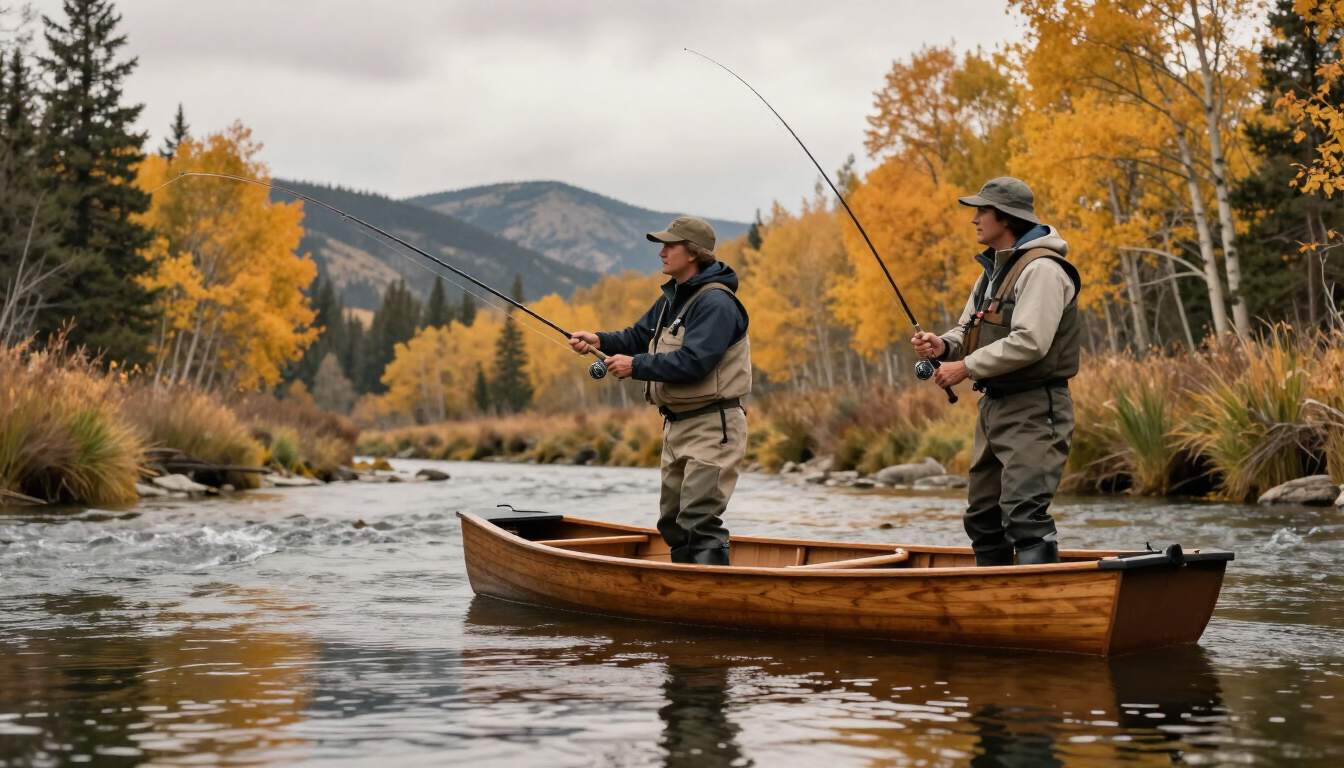
A fall float is built around flexibility. The route, pace, and instructional emphasis can respond to the day instead of being locked into a standard formula. Paradise Valley Angler’s float trips are tailored to the people in the boat, whether that means refining technique, exploring a new river, or giving an experienced angler space to work.
A guide may adapt by:
- Adjusting the pace to match light, wind, and angler preferences.
- Choosing water that fits the group’s goals and comfort level.
- Changing instruction as the day reveals useful opportunities.
- Allowing more time for careful observation when the situation calls for it.
- Recommending a different plan when weather or river conditions shift.
This is where local knowledge matters. Paradise Valley Angler guides on waters including the Yellowstone, Madison, and Boulder rivers, as well as area spring creeks and private water. You can explore the broader fishing in Montana options before deciding which style best suits your autumn trip.
Is autumn a good time for a thoughtful angler?
For anglers who enjoy changing variables, fall can be a compelling time to visit. The season often offers a quieter feel, more nuanced light, and conditions that encourage close attention. It may suit someone who would rather work through the day’s clues than rely on a simple, repeatable formula.
That does not make autumn universally better than summer or spring. It makes it different. The right choice depends on what you want from the trip, how comfortable you are with variability, and whether you value a slower, more analytical day on the water.
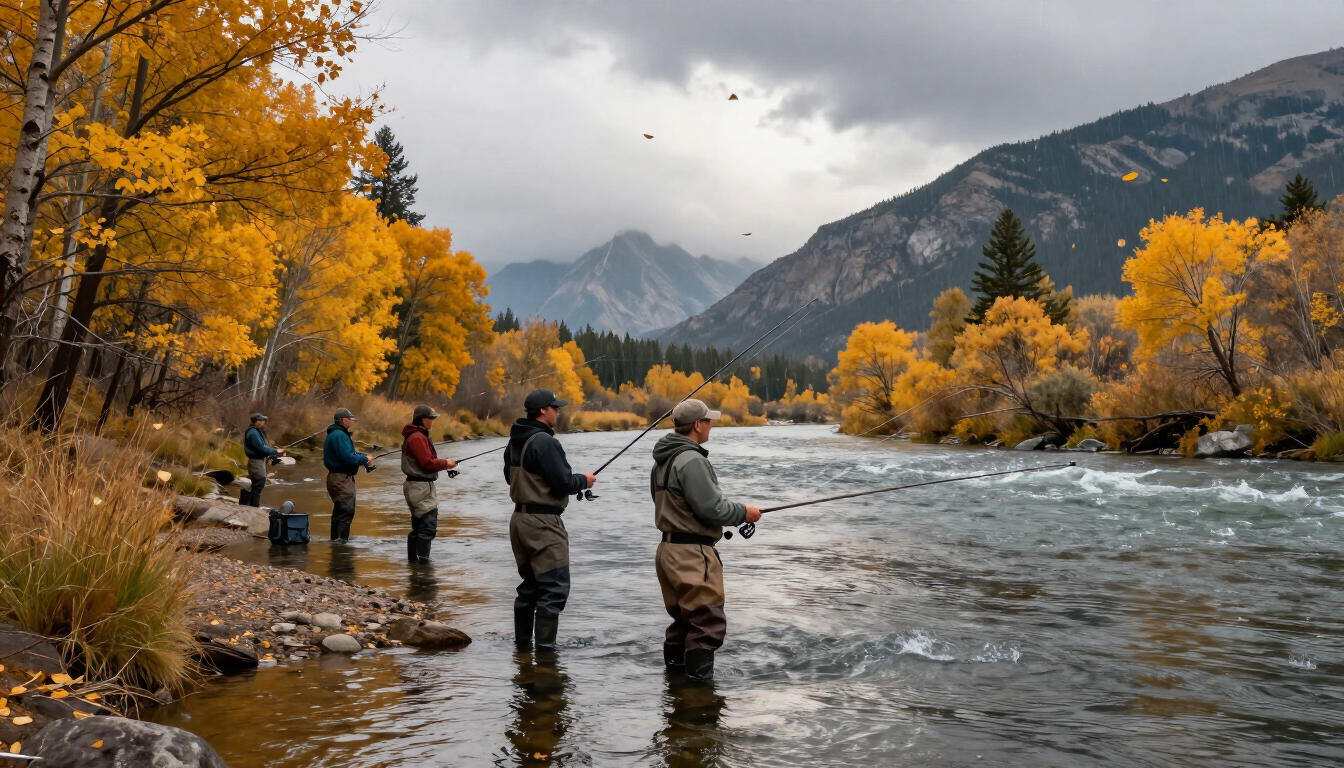
A walk / wade trip may be a better fit if you want to explore at your own pace from the bank. A float can make sense when you want to cover water with a guide and let the river shape the day. For anglers seeking a more exclusive setting, private water offers another option to consider.
Weather is part of the decision
Montana weather can turn quickly in fall. A clear morning may develop into wind, cloud, rain, or a sharp change in comfort. Those shifts are part of the season, but they also make current information important.
Before committing to a route or packing list, call Paradise Valley Angler for current conditions and a practical conversation about the day. The most useful plan is one that accounts for the forecast, the group, and the water as it is now—not as it was on a previous visit.
What should you consider before booking?
A useful autumn planning conversation can cover:
- Whether a float or walk-and-wade format fits your goals
- The experience levels and preferences in your group
- Your interest in instruction, exploration, or both
- Current weather and river conditions
- Clothing, equipment, logistics, and timing
You can review rates , read the FAQ , or contact the guide directly. A short call can help clarify what fall currently looks like and whether the available options match your expectations.
The autumn takeaway
Fall fly fishing in Montana typically offers a quieter atmosphere, changing light, and a more observational style of fishing. It is a strong fit for anglers who enjoy reading water, adjusting to conditions, and allowing the day to develop rather than expecting a fixed outcome. A guided float adds local knowledge and flexibility, helping match the route and pace to the weather, river, and people in the boat. If autumn sounds right, review the trip options, consider your goals, and call for current conditions before booking.
Recent Posts