
Guided Fly Fishing in Yellowstone National Park (2026)
Guided fly fishing in Yellowstone National Park provides visitors an immersive walk-and-wade adventure on legendary rivers like the Lamar and Gardner. These trips offer an intimate connection to the landscape, focusing on stalking wild trout in pristine alpine settings while perfectly complementing a traditional sightseeing itinerary within the park.
What is a walk and wade trip in Yellowstone National Park like?
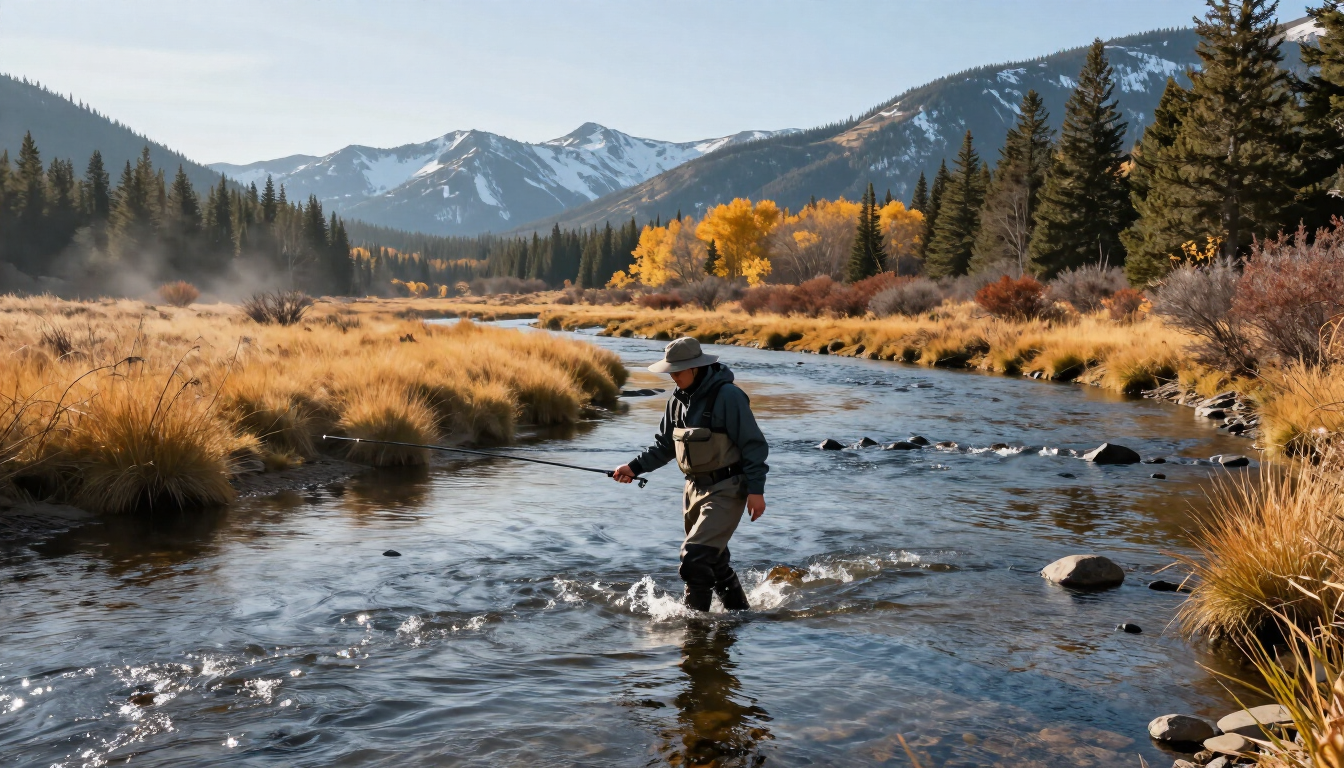
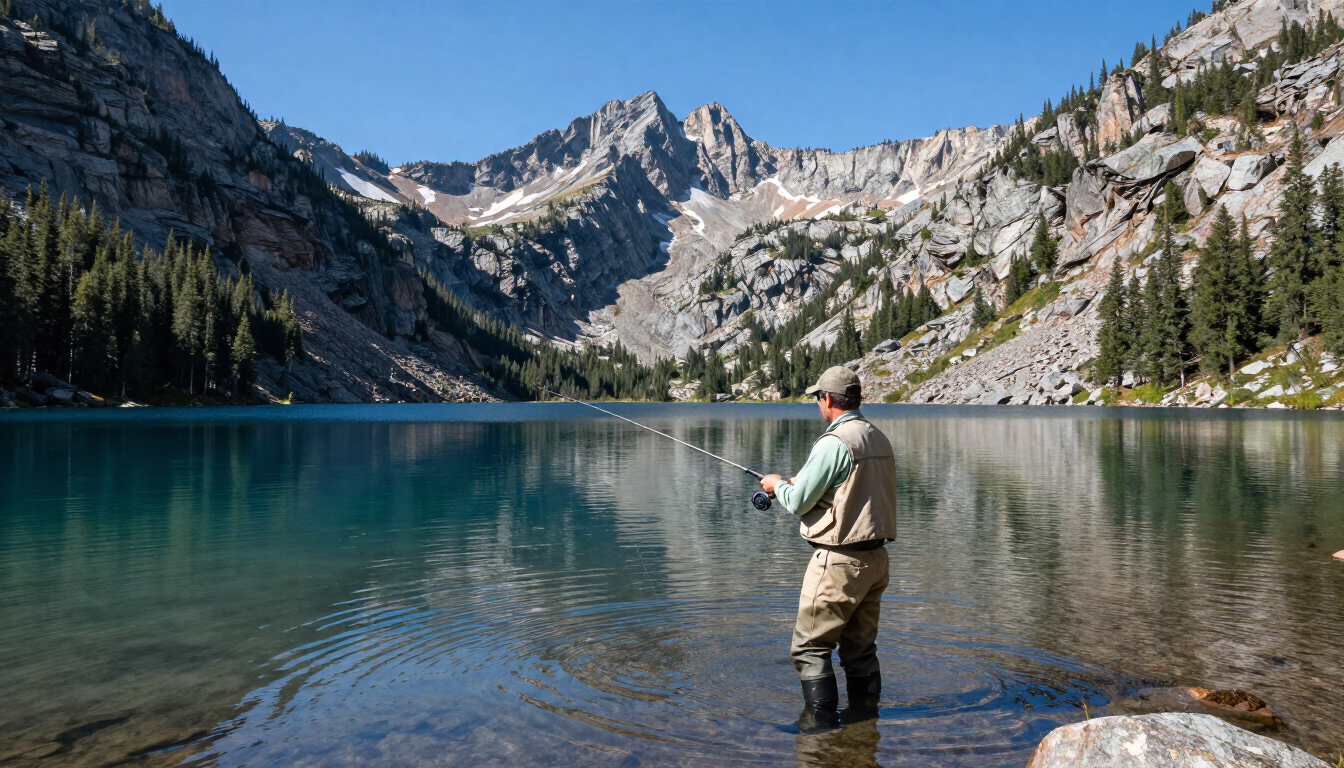
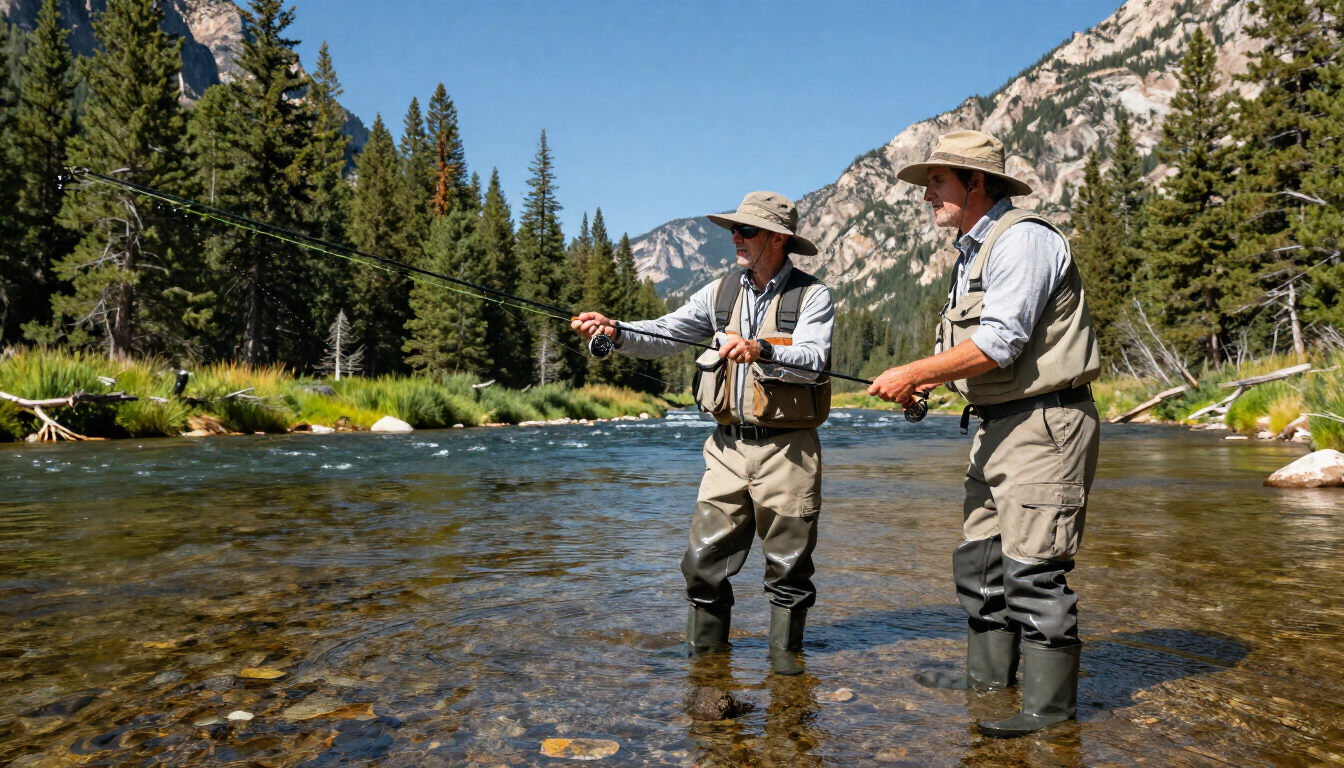
Imagine stepping out of your vehicle, not just to snap a photo of a geothermal vent or a roaming bison, but to step into the cool, rhythmic flow of a high-alpine river. A walk and wade trip is the ultimate way to experience the backcountry of America’s first national park. Unlike other forms of fishing, this is a hands-on, ground-level engagement with nature. You aren't just observing the water from a boat; you are part of the ecosystem, feeling the pressure of the current against your boots and searching for the subtle rise of a Yellowstone Cutthroat trout.
When you book walk / wade trips with a professional guide, your day begins with a sense of anticipation. We often meet our guests near the park entrances, such as Gardiner or West Yellowstone, depending on which waters are fishing best. From there, we hike into specific stretches of river that might be just a few hundred yards from the road or a mile into the wilderness. The "walk" part of the trip is just as important as the "wade" part. It’s during these walks that you truly see the park—spotting ospreys diving for their own catch or finding a quiet meadow where the only sound is the wind through the lodgepole pines.
Once at the water’s edge, your guide helps you read the river. You’ll learn to identify "seams," "eddies," and "tail-outs" where trout like to hide. The fishing itself is tactical and rewarding. Because you are on foot, you have the time to move slowly, carefully presenting a dry fly to a fish you’ve spotted rising behind a submerged boulder. It is a game of patience and precision, but the reward of a wild fish in the net, with the vast Yellowstone landscape as your backdrop, is an experience that stays with you long after the vacation ends.
Why choose a walk and wade trip over a valley float?
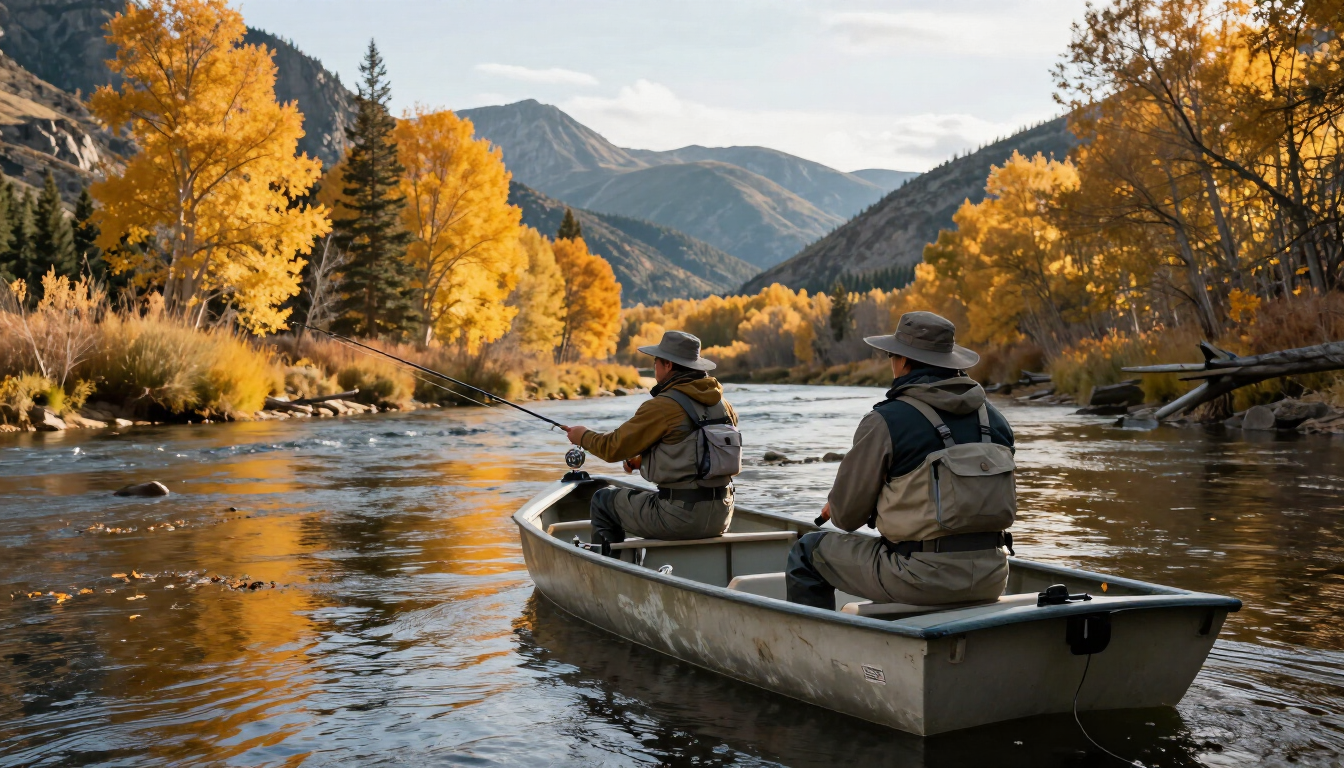
Many of our guests ask whether they should choose a float trip in the valley or a walk and wade trip inside the park. Both are incredible, but they offer vastly different perspectives of Montana’s water. A float trip, typically conducted on the Yellowstone River outside the park, is about coverage and comfort. You sit in a drift boat, cover ten to fifteen miles of water, and cast toward the banks while the guide maneuvers the boat. It’s a fantastic way to see a lot of water and catch numerous fish without much physical exertion.
In contrast, guided fly fishing in Yellowstone National Park is about intimacy and environment. The park’s interior rivers are often smaller, more technical, and strictly managed to protect wild fish populations. Here are five reasons why a walk and wade trip might be the better choice for your Yellowstone visit:
- Stealth and Precision: You can approach fish more quietly on foot, allowing for a more technical and rewarding hunting-style fishing experience.
- Pace of Play: Without a boat moving downstream, you can spend an hour at a single productive hole, perfecting your cast and figuring out exactly what the fish are eating.
- Accessibility: We can access small creeks and hidden headwaters that a drift boat could never navigate, reaching trout that rarely see a fly.
- Wildlife Integration: Being on foot puts you in the same space as the park’s wildlife, offering a more visceral connection to the land.
- Educational Focus: These trips are perfect for beginners because the guide is standing right next to you, providing instant feedback on your casting and line mending.
How guided fly fishing fits into your Yellowstone sightseeing plans
One of the biggest advantages of a park fishing trip is how easily it integrates with your existing travel plans. Most visitors spend their days driving from Old Faithful to the Grand Canyon of the Yellowstone. Adding a day of fishing doesn't mean you have to skip the sights; in fact, it enhances them. We often plan our trips to coincide with the natural flow of your itinerary. For example, a morning of fishing the Gardner River can be followed by an afternoon dip in the Boiling River or a visit to the Mammoth Hot Springs.
We understand that for many families, one person might be an avid angler while others just want to see the scenery. Our guided fly fishing in Montana is designed to be flexible. We can set up a base camp by the river where non-fishers can relax, read, or take photos while the anglers explore the nearby runs. Because we are already inside the park, you aren't spending hours commuting; you are already in the heart of the action.
Owned and operated by local rancher Zach Petrich, Paradise Valley Angler brings generations of Montana heritage to your trip. Zach’s deep knowledge of the land means he knows the secret spots that aren't on the standard tourist maps. This local expertise ensures that your fishing day feels like a natural extension of your Montana adventure, rather than a separate, disconnected activity. We handle all the logistics, from gear to high-quality streamside meals, so you can focus on the beauty of the park.
Important permit rules for fishing inside Yellowstone
Before you string up your rod, there is a critical piece of bureaucracy you must handle. It is a common misconception that a Montana state fishing license covers you throughout the region. This is not true for the National Park. Fishing inside the boundaries of Yellowstone requires a specific National Park Service (NPS) fishing permit. This permit is mandatory for all anglers aged 16 and older, and it is entirely separate from any state license you may hold for Montana, Wyoming, or Idaho.
We strongly recommend that our guests visit the official National Park Service website to review current permit fees and the complex set of regulations that govern park waters. Yellowstone has very strict rules regarding:
- Hook Types: You must use barbless hooks to protect the fish.
- Lead Usage: Lead tackle is strictly prohibited to prevent poisoning of water birds.
- Felt Soles: To prevent the spread of invasive species, felt-soled wading boots are banned inside the park.
- Season Dates: Different rivers have different opening and closing dates to protect spawning trout.
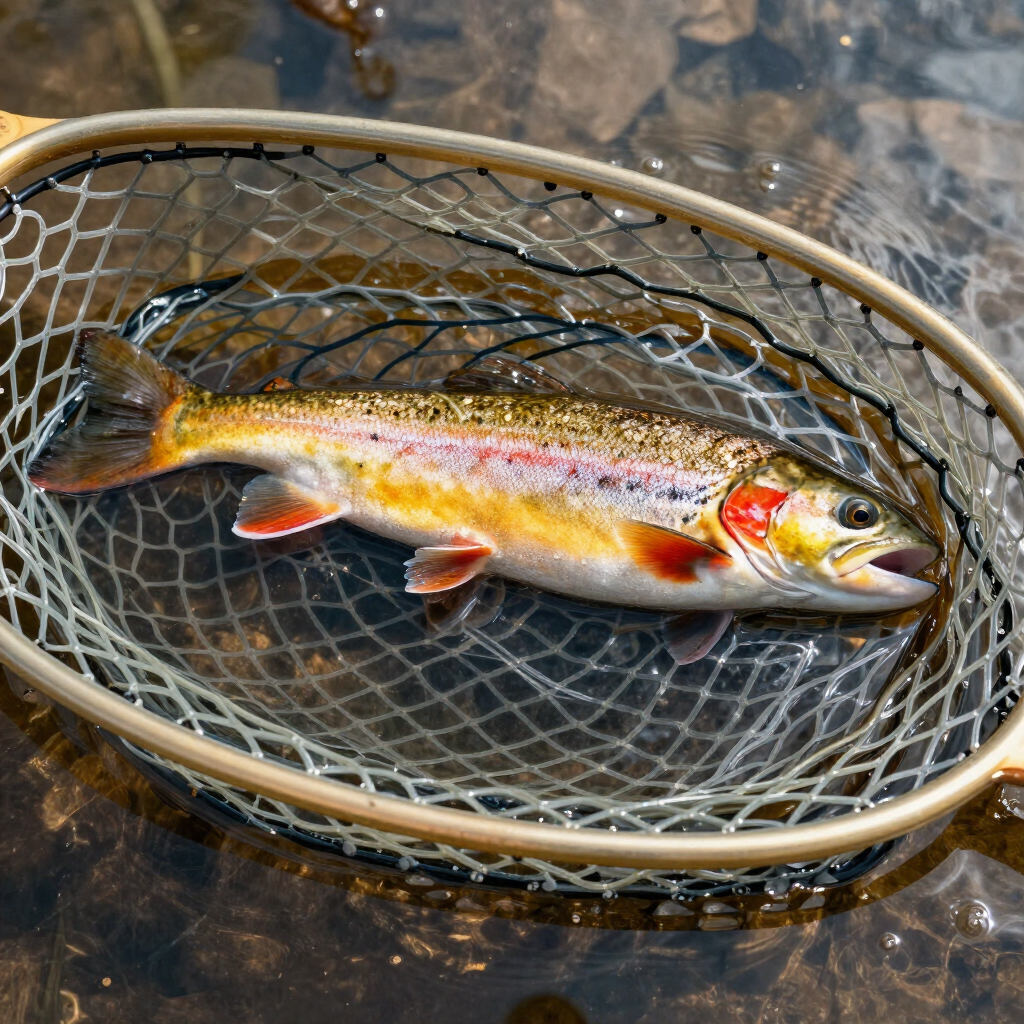
As your guides, we ensure all our gear—which is included in your trip—complies with these regulations. We will help you understand the nuances of the "catch and release" policies that apply to native species like the Cutthroat trout, while explaining why some non-native species might have different harvest rules. Following these rules is essential for the long-term health of the ecosystem, and we take our role as stewards of these waters we fish very seriously.
What should you bring for a day of park fishing?
While we provide the heavy lifting—rods, reels, waders, and flies—there are several personal items you should bring to ensure your comfort. The weather in Yellowstone can change in an instant. You might start the morning in a fleece jacket and find yourself in shirtsleeves by noon, only for a thunderstorm to roll through at 2:00 PM. We suggest a "layering" approach to your clothing.
Don't forget high-quality polarized sunglasses; these aren't just for eye protection, but they are essential tools for seeing through the water's surface glare to spot fish. Sunscreen and a wide-brimmed hat are also non-negotiable, as the high-altitude sun is much stronger than most visitors realize. If you have specific dietary needs, let us know in advance so we can tailor our streamside lunch to your preferences. We want your focus to be on the fly line and the horizon, not on a sunburn or a missed meal.
The best rivers for a guided Yellowstone adventure
When we plan your guided fly fishing in Yellowstone National Park , we look at the "Big Three" of the northern range: the Gardner, the Lamar, and Soda Butte Creek. The Gardner River is a local favorite, especially in the early season. It tumbles down from the high country, offering pocket water and boulder-filled runs that are perfect for "attractor" flies—large, colorful flies that entice hungry trout to the surface.
Further east, the Lamar Valley—often called the "Serengeti of North America"—offers the Lamar River. This is iconic Yellowstone fishing. You’ll be casting while herds of bison graze in the distance. The Lamar is famous for its massive hatches of terrestrial insects like hoppers, crickets, and ants in the late summer. Soda Butte Creek, a tributary of the Lamar, offers some of the most scenic walk and wade water in the world, with clear water and eager fish that reward a well-placed cast. If you have questions about which water is right for you, check our FAQ or contact us directly to discuss the current conditions.
Summary of your Yellowstone fishing adventure
Adding a guided day of fishing to your Yellowstone trip transforms a standard vacation into a deep-rooted Montana experience. By choosing a walk and wade trip, you gain access to the park's most intimate corners, away from the crowded boardwalks and parking lots. You will learn the art of fly fishing from expert guides who live and breathe these waters, all while surrounded by the unparalleled beauty of the American West.
Key takeaways for your trip:
- Book Early: Our calendar fills up quickly during the peak summer months.
- Permit Check: Ensure you have your NPS fishing permit before we head out.
- Walk vs. Float: Choose walk and wade for an intimate, educational, and scenic park-specific experience.
- Gear Provided: We supply all technical gear, so you just need to bring your enthusiasm and appropriate layers.
- Heritage Matters: Fishing with Paradise Valley Angler means supporting a local, family-owned business with deep roots in the community.
Whether you are a seasoned angler looking to tick a Yellowstone Cutthroat off your bucket list or a family looking for a unique way to see the park, we are here to make it happen. The rivers are calling, the trout are rising, and the mountains are waiting. We look forward to seeing you on the water soon for an unforgettable day of guided fly fishing in Yellowstone National Park .
Recent Posts