
Montana Late Summer Fly Fishing: Guide to Success
Montana late summer fly fishing offers unique opportunities, provided you adapt to seasonal shifts in water temperature and flow. A professional outfitter ensures success by monitoring daily conditions and pivoting to optimal locations, such as private water or high-altitude streams, maintaining fish health and high-quality angling experiences.
Why is Montana late summer fly fishing a top choice for travelers?
Late summer in Southwest Montana—typically spanning from late July through September—is a period of transition and tactical refinement. For the destination angler, this season represents the quintessential Big Sky experience: golden meadows, clear blue skies, and the rhythmic sound of grasshoppers in the brush. While the early season is defined by high water and heavy hatches, the late summer requires a more nuanced approach. The primary reason seasoned anglers choose this window is the terrestrial fishing. As aquatic insect hatches become more sparse, trout turn their attention to terrestrial insects like grasshoppers, ants, and beetles. This leads to some of the most exciting surface takes of the year.
However, planning a trip during this window requires an understanding of how the environment changes. As the sun stays higher for longer and the winter snowpack fully recedes, the character of legendary waters like the Yellowstone River and the Madison River begins to evolve. The water moves slower, the pools become more defined, and the fish become more selective about their holding lies. This is not a deterrent for the well-prepared angler; rather, it is a call for higher technical skill and better local intelligence. Booking a trip during this time means you are entering a high-reward environment where precision and timing are paramount.
How do water temperatures affect your Montana fishing trip?
Temperature is perhaps the most significant variable in late summer fly fishing. Trout are cold-water species, and their activity levels are directly tied to the oxygen levels and temperature of the river. In the peak of August, daily highs can cause water temperatures to fluctuate significantly. As a professional outfitter, we view these fluctuations not as obstacles, but as data points that dictate our daily schedule. When the water warms in the mid-afternoon, fish may become lethargic to conserve energy. This is why a guide’s local judgment is indispensable.
Instead of adhering to a rigid 9-to-5 schedule, a tailored outfitter will often shift the day to maximize the "cool windows." This might mean an early morning start to catch the tail end of the night's cooling or focusing on stretches of river fed by cold springs or high-altitude tributaries. We prioritize the health of the wild trout population above all else. By understanding the thermal profile of different river sections, we can ensure that we are fishing when the trout are most active and least stressed. This ethical approach to angling not only protects the resource for future generations but also ensures that when you do hook a fish, it has the energy to give you the fight you came for.
What happens if river flows drop during your trip?
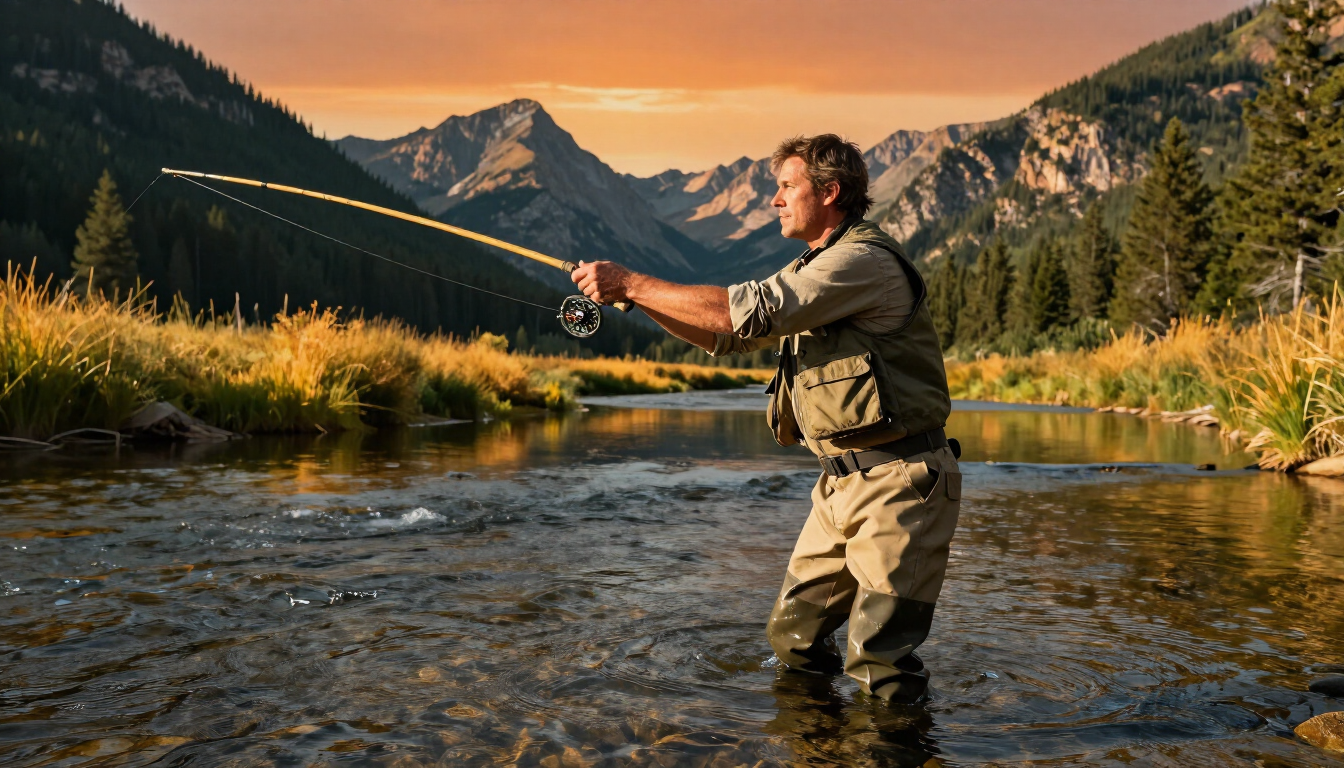
Low flows are a natural part of the seasonal cycle in the American West. As the rivers drop, the "room" the fish live in becomes smaller. While this might sound like it makes fishing harder, it actually makes the trout more predictable. They move into the deepest channels, the fastest oxygenated riffles, and the shade of overhanging banks. The challenge for the unguided angler is identifying these specific spots in a river that might look very different than it did in June. A guide who spends over 200 days a year on these waters knows exactly where the fish migrate as the water recedes.
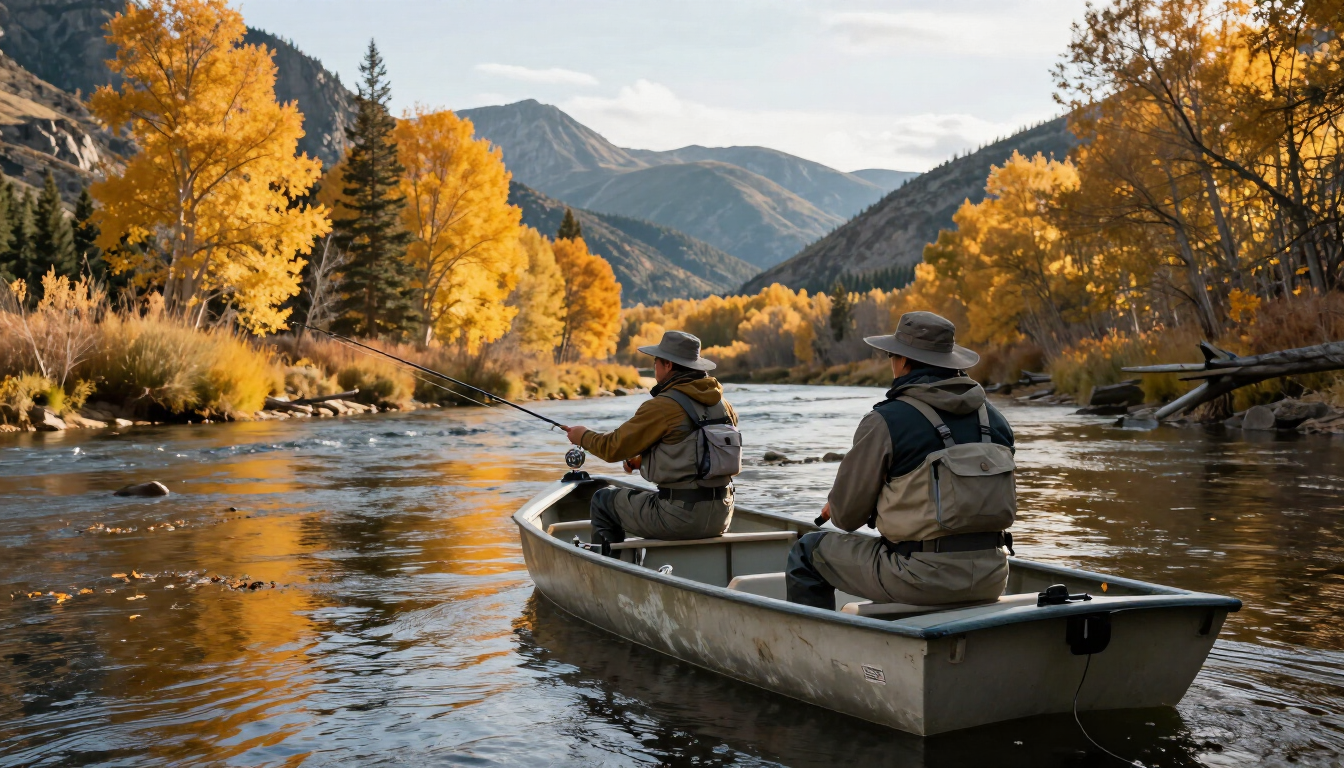
Lower flows also change the transport of the trip. Some sections of river that are easily navigable by drift boat in the spring may become too shallow in the late summer. This is where the flexibility of Paradise Valley Angler becomes a major asset. We may transition from a float trip to a walk and wade adventure to reach water that boats simply cannot access. By getting out of the boat, we can approach fish more stealthily and fish smaller pockets of water that hold trophy-sized trout. This adaptability ensures that no matter what the hydrograph looks like, we have a strategy to put you on fish.
Adapting to Conditions: The Local Guide Advantage
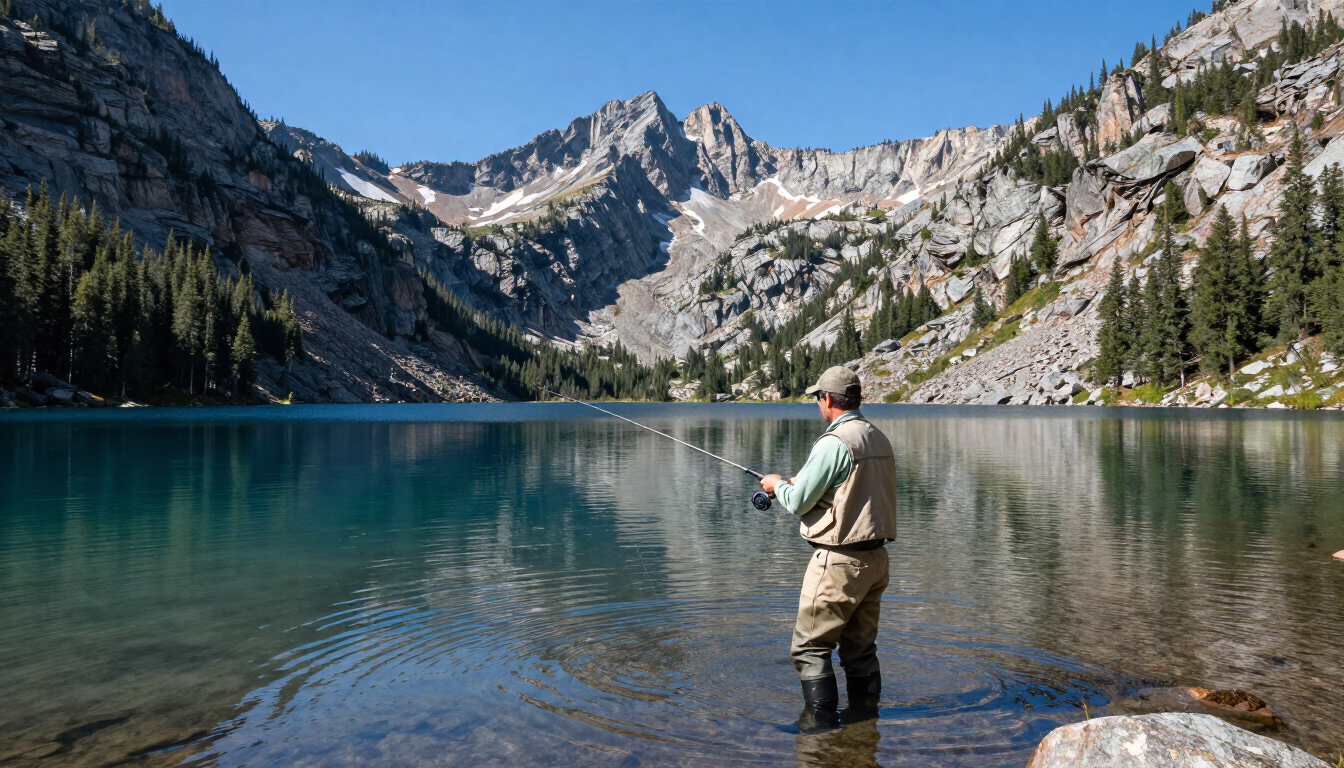
The true value of a professional guide in late summer lies in their ability to pivot. A destination angler planning months in advance cannot predict the specific weather patterns of a given week in August. You might arrive during a heatwave, or a sudden cold front might move through. A local outfitter, particularly one with deep roots like Zach Petrich, understands the "micro-climates" of the region. If one river is experiencing low flows, we might look toward the Boulder River or explore the high-country options that remain cool and productive.
Guides offer a strategic layer that solo anglers lack:
- Real-time Water Monitoring: Checking multiple river gauges and temperature sensors daily.
- Access to Diverse Ecosystems: Shifting between big rivers, small creeks, and lakes.
- Tactical Gear Adjustments: Using lighter tippets and smaller, more realistic fly patterns.
- Stream-side Education: Teaching you how to read the water in low-flow conditions.
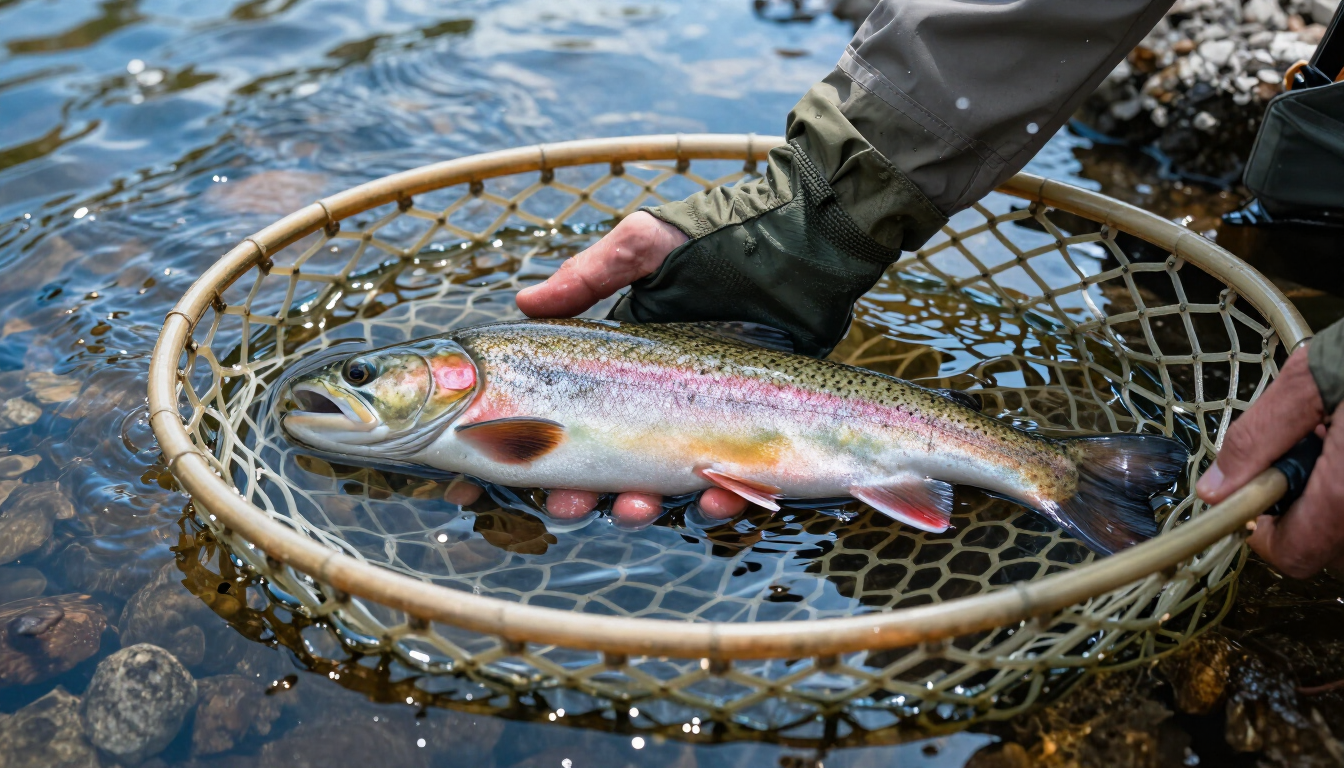
- Ethical Handling: Ensuring fish are handled quickly and safely in warmer conditions.
By leveraging this local expertise, you transform a potentially difficult week of fishing into a masterclass in technical angling. We take the guesswork out of the equation so you can focus on the beauty of the fishing in Montana and the thrill of the catch.
Why should you consider a walk and wade trip in August?
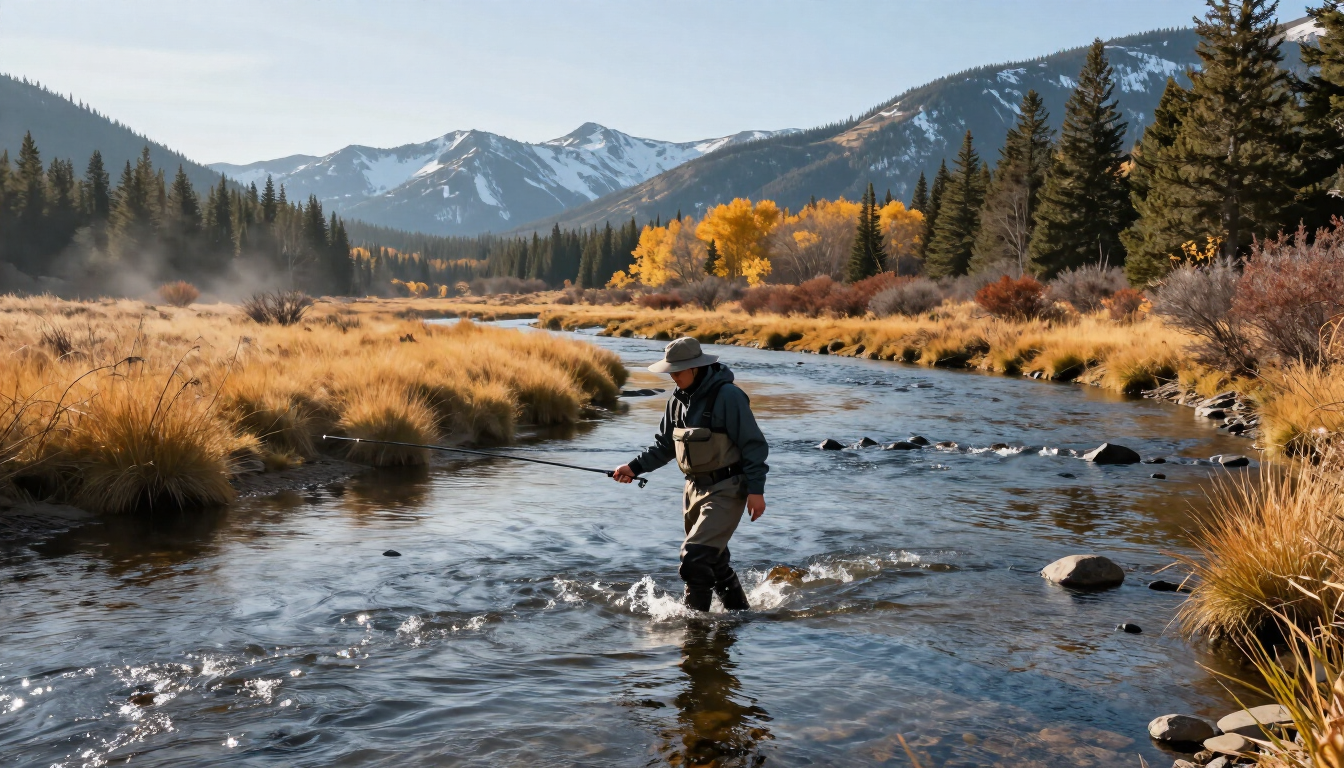
While floating in a drift boat is a quintessential Montana experience, the late summer is the "golden age" of the walk and wade trip . When water levels are lower, many of the best holding spots are located in side channels or riffle corners that a boat simply zips past. Walking and wading allows for a slower, more methodical approach. It gives you the chance to pick apart a piece of water, casting to specific fish you may have spotted rising in a quiet eddy.
This style of fishing is also incredibly immersive. There is a specific feeling to standing in a cold Montana stream while the summer heat radiates off the canyon walls. It allows for more one-on-one instruction from your guide, who can stand right next to you, helping you refine your casting stroke or explaining the nuances of a complex current. For those looking to improve their technical skills, late summer wade fishing is perhaps the best classroom available. We often find that our most successful days in August happen when we leave the boat behind and explore the intimate reaches of the Waters We Fish .
The Role of Private Water Access in Late Summer
One of the most effective ways to combat the challenges of late summer is to utilize private water access . Public access points on major rivers can become busy during the peak of the season, and the fish in those areas can become "educated" or wary of heavy pressure. Private water offers a sanctuary. These are stretches of river or spring creeks located on private ranches, where the number of anglers is strictly limited.
At Paradise Valley Angler, we take pride in our ability to offer access to these exclusive locations. Private water often features better habitat management and less disturbed fish, which can be a game-changer when conditions on the main rivers are less than ideal. Specifically, the Paradise Valley Spring Creeks are world-renowned for their consistent temperatures and incredible hatches, regardless of the heat. Because these creeks are fed by underground aquifers, the water remains at a steady, cool temperature year-round. This makes them a perfect "safety valve" for a late summer trip, ensuring that you always have a high-quality option even in the height of August.
Strategic Planning for the Destination Angler
If you are currently weighing your options for a late summer trip, the best advice we can give is to remain flexible. Don't get married to a specific river or a specific technique months in advance. Instead, look for an outfitter who prioritizes communication. We encourage our clients to check our FAQ or call us directly as their trip approaches. We can provide honest assessments of the current trends and suggest adjustments to your itinerary—perhaps trading a day on the big river for a day on a secluded ranch creek.
This flexibility is what separates a frustrating trip from an unforgettable one. The beauty of Southwest Montana is its diversity; if the Yellowstone is low, the Madison might be fishing well. If the Madison is warm, the high-altitude Yellowstone National Park streams are likely just beginning to peak. With a guide who knows every corner of this landscape, you are never boxed into a single plan. You are hiring a partner who is just as invested in your success as you are.
How to plan for a successful late-season Montana fly fishing trip
Navigating the nuances of Montana late summer fly fishing requires a blend of local knowledge, tactical flexibility, and a deep respect for the river ecosystem. While the challenges of warmer water and lower flows are real, they are easily managed by a professional outfitter who can pivot to the best available water. Whether it’s shifting your start time, exploring private water , or focusing on terrestrial patterns in side channels, there is always a path to success in Paradise Valley. By booking a guide, you aren't just paying for a boat seat; you are investing in the judgment and experience required to make the most of Montana’s most beautiful season.
Key Takeaways for Late Summer Success:
- Prioritize Flexibility: Be open to changing rivers or trip types (float vs. wade) based on daily guide recommendations.
- Focus on Timing: Accept early starts or late finishes to fish during the coolest, most active windows of the day.
- Utilize Diverse Waters: Don't overlook spring creeks or private ranch access to escape public pressure and find cooler water.
- Trust Local Ethics: Respect river health by following guide advice on fish handling and seasonal adjustments.
Ready to experience the magic of August in Paradise Valley? Explore our rates or contact us today to start planning your adventure. For more inspiration, check out our gallery to see the results of our late-summer strategies in action. Montana is waiting, and with the right team, your late-season trip will be the highlight of your year.
Recent Posts