
Yellowstone Guided Walk and Wade Fishing (2026 Guide)
A Yellowstone guided walk and wade fishing trip involves exploring the park's iconic rivers on foot with a professional guide. This immersive experience focuses on stealth, technical casting, and accessing secluded water. It requires a specific Yellowstone National Park fishing permit rather than a standard Montana state license.
What is a Yellowstone guided walk and wade fishing trip?
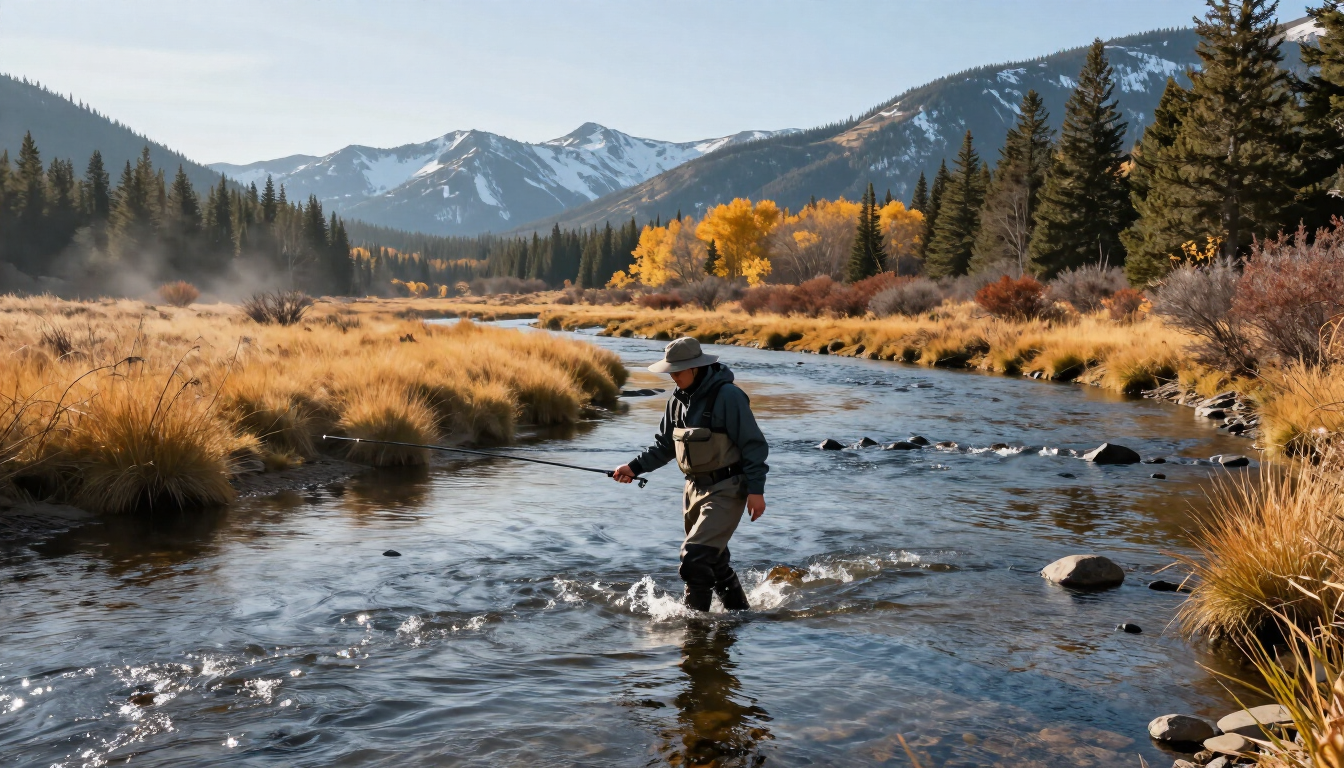
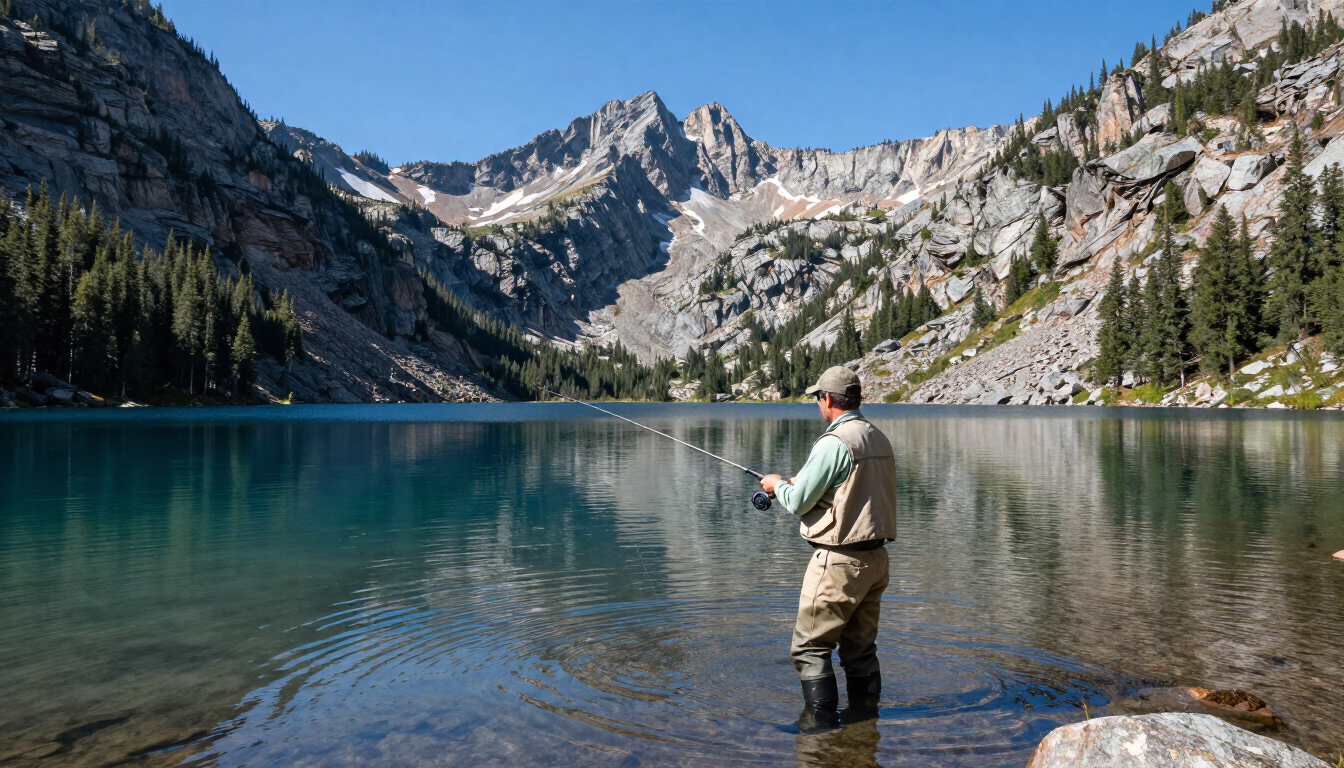
A Yellowstone guided walk and wade fishing trip is an intimate way to experience the world’s first national park. Unlike fishing from a boat, walking and wading allows you to become part of the landscape. You will spend your day hiking along riverbanks, navigating cobble-bottomed streams, and casting to wild trout in some of the most scenic environments on earth. At Paradise Valley Angler, we specialize in these adventures, tailoring each outing to the skill level and physical ability of our guests.
When you step into the water in Yellowstone, you are following in the footsteps of angling legends. The park offers a diverse array of water types, from the meadow stretches of the Madison River to the thermal-influenced currents of the Firehole. A guided day typically begins with a meetup near the park entrance, followed by a scenic drive to a carefully selected trailhead. From there, your guide will lead you to productive runs, riffles, and pools that often require a bit of a hike to reach. This physical connection to the land is what sets the experience apart from other forms of angling.
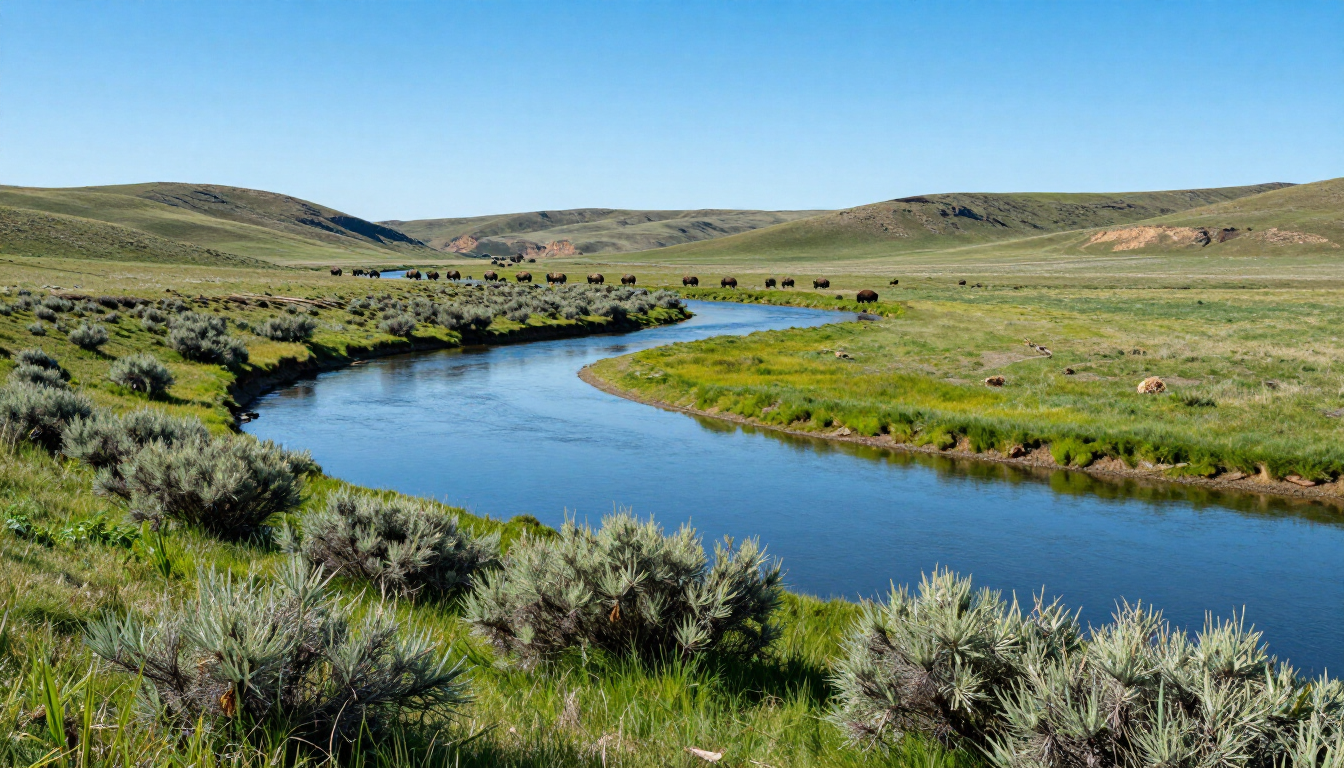
For visitors already planning a trip to the park, adding a day of fishing provides a unique perspective. While most tourists stay on the boardwalks, an angler gets to see the hidden corners where bison graze near the river and ospreys dive for breakfast. The pace is deliberate. You aren't just passing through the scenery; you are interacting with it. Whether you are learning the basics of a roll cast or hunting for rising cutthroat trout, the focus remains on the quiet beauty of the backcountry.
The Unmatched Intimacy of Park Streams
The allure of YELLOWSTONE NATIONAL PARK lies in its raw, geothermal energy and its pristine ecosystem. When you engage in WALK / WADE TRIPS , you get to experience this on a micro-level. You notice the way the water temperature changes near a hot spring, the specific insects hatching from the riverbed, and the subtle variations in the current that hold fish. This level of detail is often missed when drifting by in a boat.
Our guides at Paradise Valley Angler are experts at reading these waters. We understand that a successful day in the park isn't just about the number of fish landed; it’s about the education and the environment. We teach our guests how to approach a pool without spooking the residents and how to present a fly naturally in complex currents. This hands-on instruction is a hallmark of our service, ensuring that even beginners leave with a deeper understanding of the sport.
How does walk and wade fishing differ from a float trip?
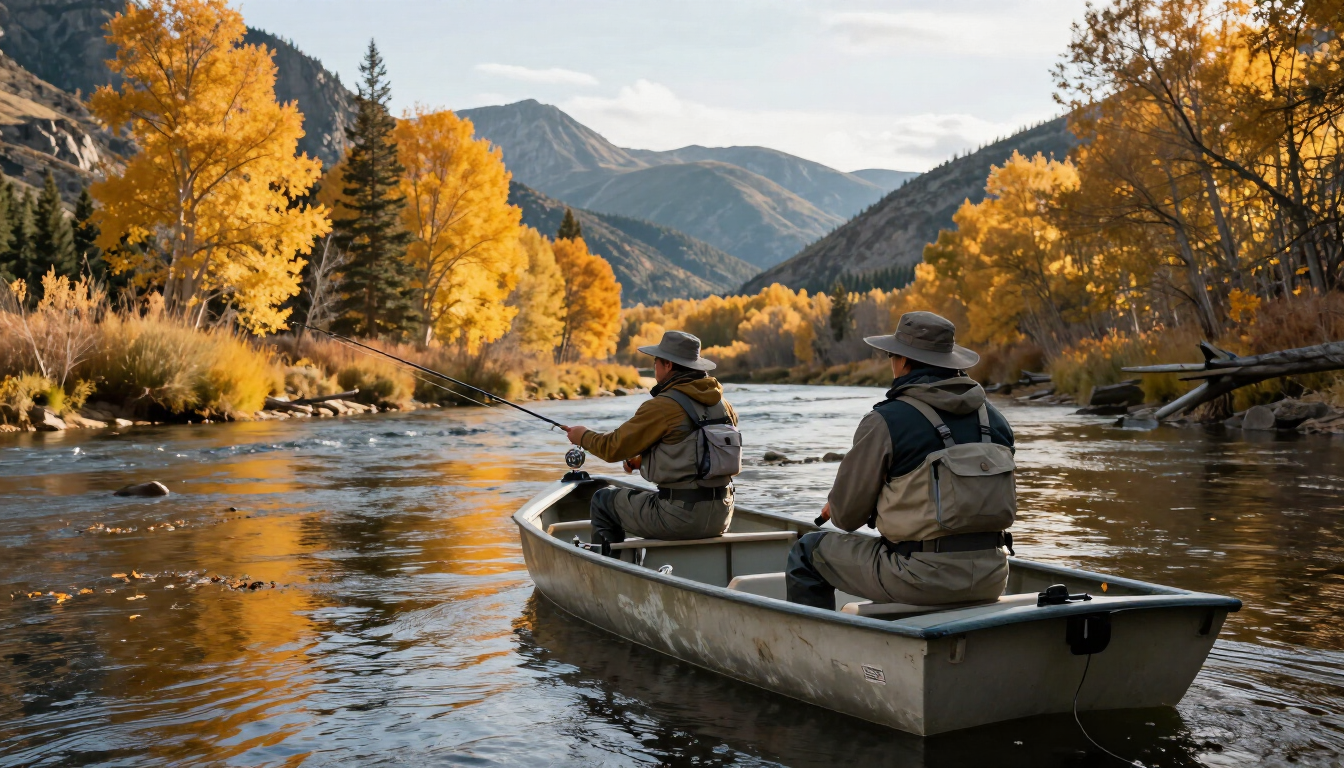
Choosing between a walk and wade day and one of our FLOAT TRIPS depends largely on your goals for the day. While both offer exceptional fishing, the mechanics and the atmosphere are quite different. A float trip is designed to cover miles of water, allowing you to cast to hundreds of potential lies from the comfort of a drift boat. In contrast, a walk and wade trip is about precision and patience. You stay in one area longer, dissecting each piece of water thoroughly.
Here are the primary differences to consider:
- Mobility : Float trips cover 7 to 15 miles of river; wade trips focus on specific sections.
- Stealth : Wading allows for a much quieter approach to wary fish in shallow water.
- Interaction : Walking allows for more direct, face-to-face instruction from your guide.
- Perspective : Wading puts you at eye level with the river, enhancing the sensory experience.
- Access : Some park waters are only accessible by foot, offering more solitude.
On the YELLOWSTONE RIVER outside the park, floating is the standard because of the river's size and volume. However, inside the park boundaries, many of the legendary stretches are best fished on foot. The Madison River within the park, for example, is a classic wade-fishing destination where every boulder and undercut bank can be inspected closely. For the angler who enjoys the "hunt" as much as the catch, the walk and wade method is often the preferred choice.
Essential Permits for Fishing in Yellowstone
It is critical for all visitors to understand the licensing requirements before casting a line. A common misconception is that a Montana state fishing license covers all waters in the region. This is not the case. Because the park is federal land, a Montana state fishing license does not cover fishing inside the park boundaries. To fish legally within Yellowstone, you must obtain a separate Yellowstone National Park fishing permit.
These permits are managed by the National Park Service (NPS). We strongly advise all our guests to visit the official National Park Service website for current permit details, including where to purchase them and the specific regulations for the current season. Our guides can assist you in ensuring you have the correct documentation before your trip begins, but the responsibility ultimately lies with the angler to be properly permitted. Always check the most recent NPS guidelines as rules regarding bait, hooks, and species protection can change annually.
Safety in Grizzly Country
Yellowstone is home to a robust population of grizzly bears and black bears. Fishing in these waters means you are sharing the habitat with these powerful predators. Safety is our top priority at Paradise Valley Angler, and we take all necessary precautions to ensure a safe outing. However, every angler entering the park should be aware of bear safety protocols. The sound of a rushing river can often mask the approach of a bear, and the smell of fish can be an attractant.
We route all our clients to the official National Park Service guidance regarding bear safety. It is standard practice to carry bear spray in an accessible location and to stay alert at all times. We fish in groups, make noise when moving through brushy areas, and maintain a clean camp. Understanding how to react during an encounter is vital. By following official NPS safety recommendations, you can enjoy the incredible fishing Yellowstone offers while respecting the wildlife that makes this ecosystem so special.
What waters are best for a park walk and wade day?
The diversity of WATERS WE FISH within the park is staggering. Depending on the time of year, we may head to the Gallatin River for high-country beauty or the Lamar Valley for a chance at native Yellowstone Cutthroat trout. Each river has its own personality and requires a different tactical approach. The Firehole River, with its proximity to geysers and warm water influence, offers a truly surreal fishing environment that feels like nowhere else on earth.
If you are visiting in the early season, the Firehole and Madison are often the first to become productive. As the summer progresses and the mountain snowpack melts, the higher-elevation meadows of the Bechler or the upper Yellowstone become prime targets. Your guide will select the best location based on current hatch reports, water temperatures, and your personal preferences. Whether you want to hike deep into the backcountry or stay closer to the road, there is a stretch of water in Yellowstone that fits your needs perfectly.
Preparing for Your Montana Fly Fishing Adventure
Preparation is key to enjoying a full day on the water. When planning a Yellowstone guided walk and wade fishing trip, consider the variable weather of the Rocky Mountains. Even in mid-summer, a sunny morning can turn into a chilly, rainy afternoon. We recommend dressing in layers and bringing high-quality rain gear. Sturdy wading boots with good traction are essential for navigating the slippery, rocky bottoms of the park’s rivers.
When you book with us, we provide much of the essential gear, but bringing your own favorite rod or waders is always an option. We also provide a hearty streamside meal on full-day trips, giving you a chance to rest and soak in the scenery. Our goal is to make your adventure as seamless as possible so you can focus entirely on the fishing. If you have any questions about what to pack, our FAQ page is a great resource, or you can CONTACT us directly to discuss your specific trip details.
Summary of Yellowstone Walk and Wade Essentials
A guided walk and wade trip in Yellowstone National Park is the ultimate way to connect with the landscape and improve your fly fishing skills. By choosing a foot-based adventure, you gain access to technical water and a level of instructional detail that is unmatched. Remember that your Montana license won't work here; you must secure a park-specific permit and remain vigilant about bear safety.
Key takeaways for your trip:
- Secure a National Park Service fishing permit before your trip.
- Understand the differences between wading and floating for better planning.
- Carry bear spray and follow all NPS safety guidelines for grizzly country.
- Prepare for variable weather with high-quality layered clothing.
- Trust your guide to choose the best water based on current conditions.
Whether you are a seasoned angler or a first-time visitor to the park, the experience of wading into a legendary stream is something you will never forget. At Paradise Valley Angler, we take pride in sharing the heritage of this land with our guests. From the first cast to the final release, a day in the park is more than just a fishing trip—it is a journey into the heart of the American West. We look forward to seeing you on the water and helping you create stories that will last a lifetime.
Recent Posts