
5 Reasons Boulder River Fly Fishing in July Wins
Boulder River fly fishing in July offers a high-gradient, pocket-water experience distinct from larger Montana rivers. Utilizing specialized rubber rafts, anglers access technical habitat rich in wild trout. Success depends entirely on current flows, making real-time guide consultations essential for timing this seasonal Montana tributary window.
What makes the Boulder River different from the Yellowstone?
For the experienced angler, the distinction between the Boulder River and the Yellowstone River is immediate and profound. While the Yellowstone is a massive, broad-shouldered waterway characterized by long runs and wide-open casting lanes, the Boulder is its intimate, high-energy cousin. As a primary tributary, the Boulder River maintains a steep gradient that carves through the landscape, creating a landscape dominated by granite boulders and plunging pools. This geological structure results in "pocket water," a term used to describe the small, protected lies behind and in front of rocks where trout hold to escape the main current.
Unlike the slow, meandering flows found on parts of the Madison River , the Boulder is a constant conveyor belt of oxygenated water. This tributary character means the fish are often more opportunistic; in the fast water, they have only a split second to decide whether to strike your fly before it sweeps past. The habitat is exceptionally abundant because every single rock creates a potential home for a trout. This provides an engaging challenge for those who enjoy "reading" the water, as the river rewards precise placement and a keen eye for subtle current breaks.
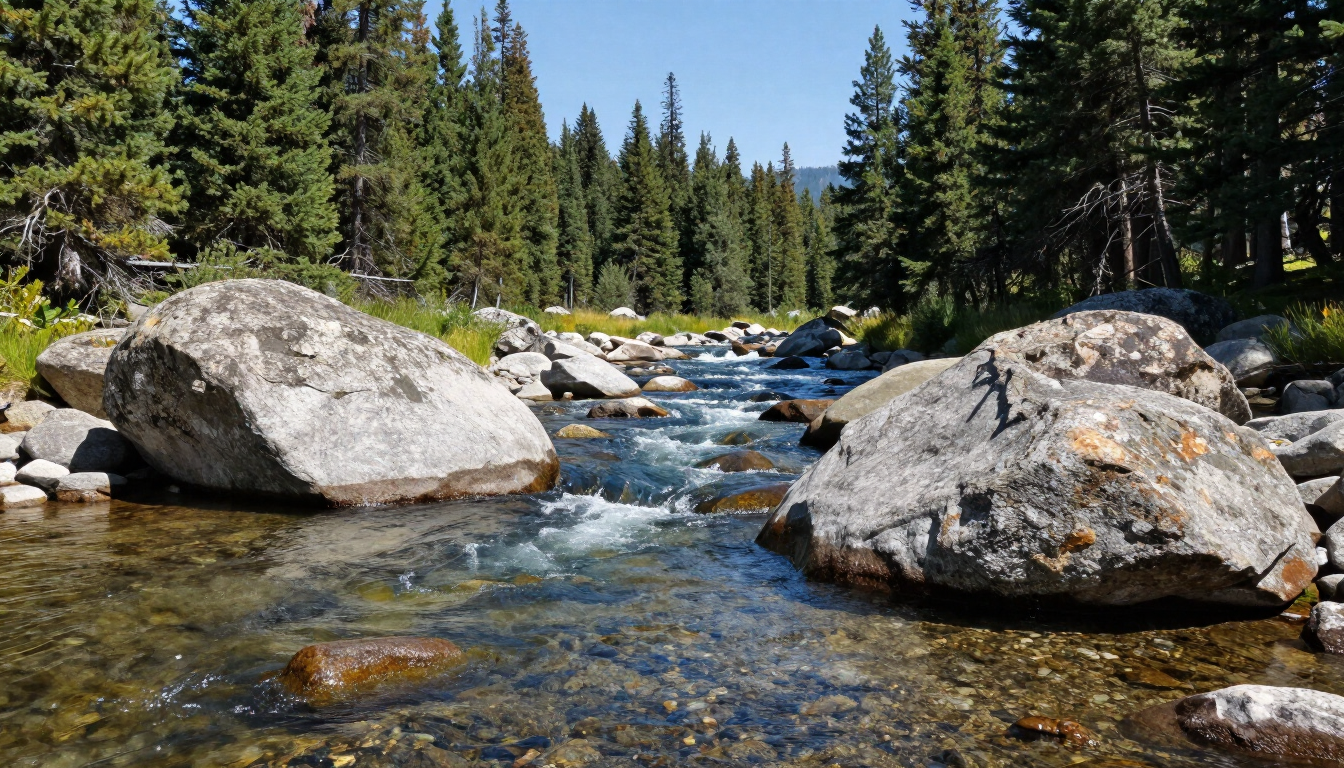
Choosing the Boulder in July is a choice for variety. While many anglers flock to the larger valleys, the Boulder offers a rugged, canyon-like feel that feels worlds away from the traditional drift boat traffic. It is a fishery that demands active participation—short, accurate casts and frequent mending are the hallmarks of a successful day here. Because it is so distinct from the main stems, it often serves as the perfect mid-week change of pace for a dedicated Montana fly fishing adventure.
Why is a rubber raft required for Boulder River float trips?
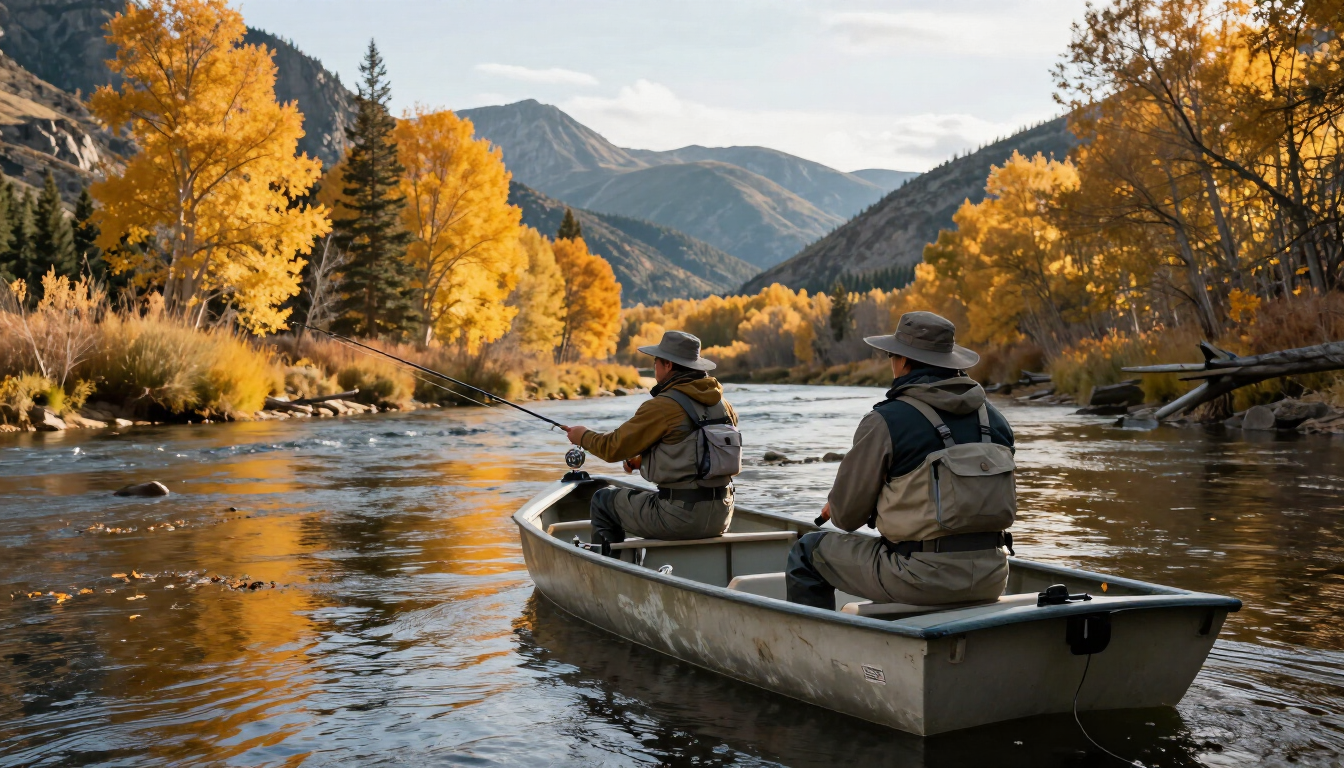
The Boulder River is not a place for the traditional hard-sided drift boat. The very features that make it a premier destination—the abundance of rocks and steep drops—make it impassable for fiberglass or aluminum shells. Instead, we utilize specialized rubber rafts equipped with custom fishing frames. These rafts are the 4x4 vehicles of the river world, capable of bouncing off submerged obstacles and navigating tight chutes that would destroy a standard boat.
When booking float trips on the Boulder, you are signing up for a more athletic and dynamic experience. The guide must constantly maneuver the raft to stay in the best fishing lanes, often pivoting the boat 360 degrees to allow anglers to hit pockets on both sides of the river. The rubber raft’s buoyancy and flexibility allow us to float in shallower water and over technical "rock gardens" that are simply inaccessible to other craft. This provides our clients with access to water that sees significantly less pressure than the easily navigable stretches of other regional rivers.
Advantages of Rubber Rafts on the Boulder:
- Superior maneuverability in tight, high-gradient chutes
- Ability to bounce safely off granite boulders without damage
- Shallower draft for navigating low-water rock gardens
- Increased stability for anglers in turbulent pocket water
- Access to remote canyon stretches where drift boats cannot go
This "raft-only" status preserves the Boulder’s unique character. It limits the number of people on the water and ensures that the anglers who do venture here are looking for a true adventure. It is a tactile experience where you can feel the energy of the river beneath you, providing a sense of connection to the water that is often lost in larger, more insulated vessels.
Mastering Pocket Water on the Boulder River
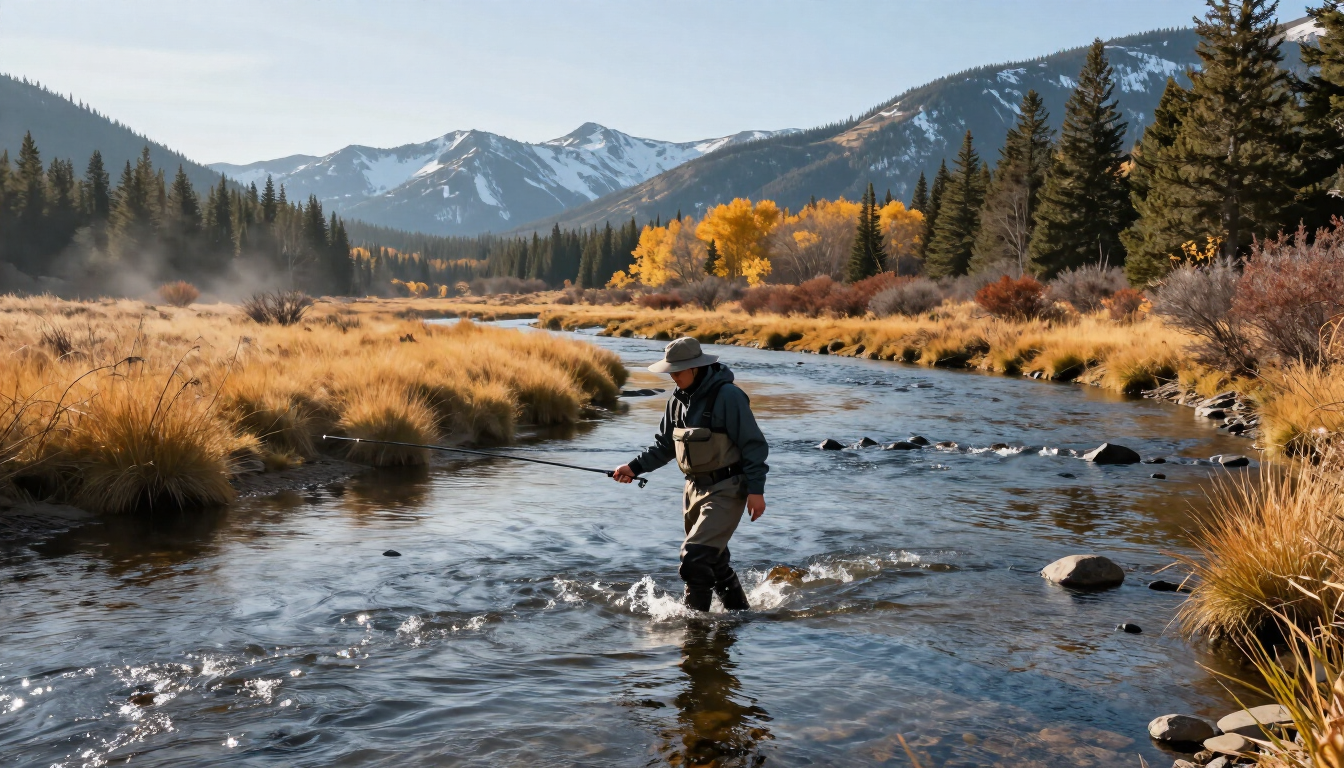
For the veteran fly fisher, pocket water is the ultimate test of skill. On the Boulder River, the trout aren't always sitting in obvious, deep pools. Instead, they are tucked into the "cushion" in front of a rock or the "slick" just behind it. Successfully fishing this water requires a different mindset than the long-distance casting often seen on walk/wade trips in larger valleys. On the Boulder, your average cast is likely under 30 feet, focusing on accuracy and immediate line control.
Abundant habitat means that you are never more than a few feet away from a potential strike. However, the complex currents created by hundreds of boulders mean that your fly is constantly being pulled in different directions. Experienced anglers love this because it rewards "high-sticking" and creative mending. By keeping more of your fly line off the water, you can achieve a natural drift in a small pocket that might only be two feet square. It is technical, fast-paced, and incredibly rewarding when a wild trout explodes from a tiny piece of water you correctly identified as a holding spot.
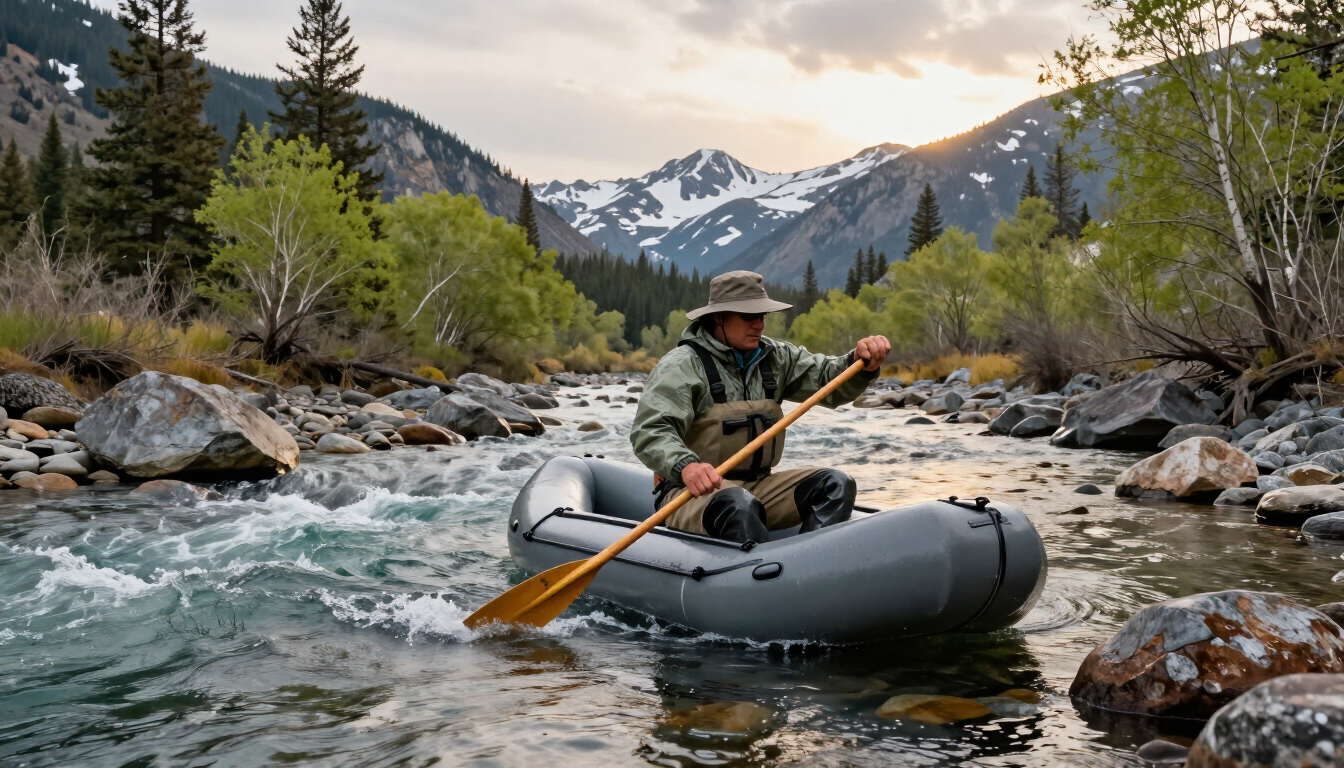
Furthermore, the Boulder’s character as a tributary means its insect life and trout behavior are finely tuned to its unique environment. The fish here are hardy and aggressive, evolved to survive in a high-energy system. When you explore the waters we fish , you’ll find that the Boulder stands out for the sheer density of productive spots. You aren't just floating between holes; you are fishing the entire river. This makes for a busy day where the next cast is always just a second away.
How do water flows affect the July fishing window?
The Boulder River is arguably the most flow-sensitive river in Southwest Montana. Because it is a freestone river—meaning it is not dam-controlled—its water levels are entirely dependent on snowpack melt and seasonal rainfall. In July, the river undergoes a dramatic transformation. At the beginning of the month, it may be a roaring torrent suitable only for the most experienced oarsmen; by the end of the month, it could be reaching its lower limits for floating.
This shifting window is why we emphasize that there is no "fixed" date for the Boulder to be in prime shape. Every year is different. A heavy snow year might push the ideal float window later into July, while a lean snow year might see the river transition to a walk/wade fishery earlier than expected. Because the river drops so quickly, the transition from "too high" to "perfect" to "too low" can happen in a matter of weeks. This volatility is why it is critical to stay in touch with your guide as your trip approaches.
Planning Your July Boulder River Trip:
- Call for current conditions: Flow rates change daily.
- Be flexible: If the Boulder is too high or low, we have excellent private water alternatives.
- Prepare for rafting: The dynamic nature of the river requires appropriate gear.
- Focus on timing: The "golden window" for the Boulder is the highlight of the Montana summer.
In summary, the Boulder River in July is a treasure for those seeking something beyond the standard drift boat experience. It offers a technical, pocket-water challenge in a rugged tributary setting that rewards the skilled angler. By utilizing rubber rafts and embracing the river’s flow-sensitive nature, we provide access to a unique Montana experience that is as exciting as it is beautiful. To ensure you catch the Boulder at its best, we invite you to contact us to discuss the current conditions and plan your adventure.
Whether you are looking for the thrill of whitewater rafting or the precision of pocket-water fishing, the Boulder River delivers an authentic Montana experience. Remember that the river's character is defined by its boulders and its energy—elements that make every trip a new discovery. As the July sun warms the valley, there is no better place to be than in a raft, rod in hand, navigating the crystal-clear currents of the Boulder.
Recent Posts