
Guide to Yellowstone Fall Fly Fishing
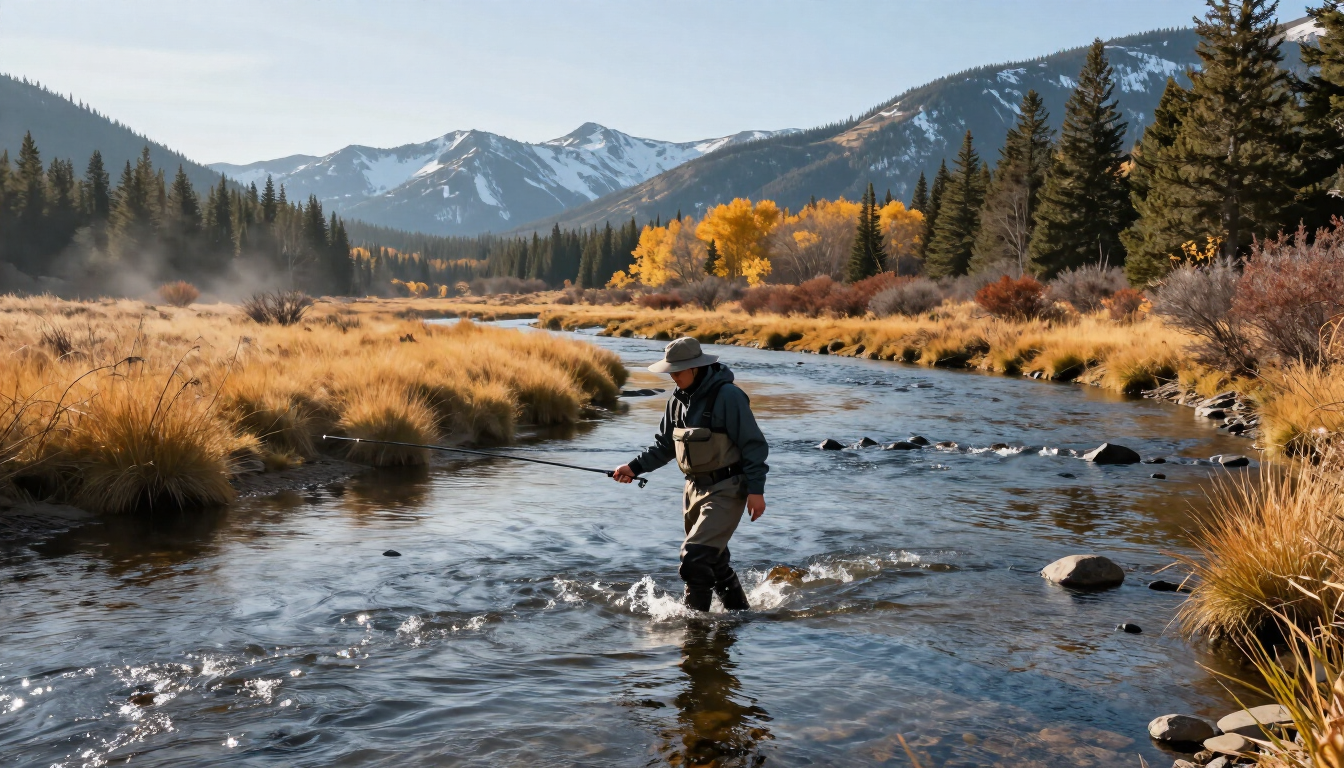
Yellowstone fall fly fishing offers a premier walk and wade experience, allowing anglers to explore intimate river sections on foot. Unlike floating the valley, walking the park in autumn provides exclusive access to spawning runs and stunning scenery while navigating crisp, mountain waters for aggressive wild trout in a breathtaking setting.
What makes fall fly fishing in Yellowstone so special?
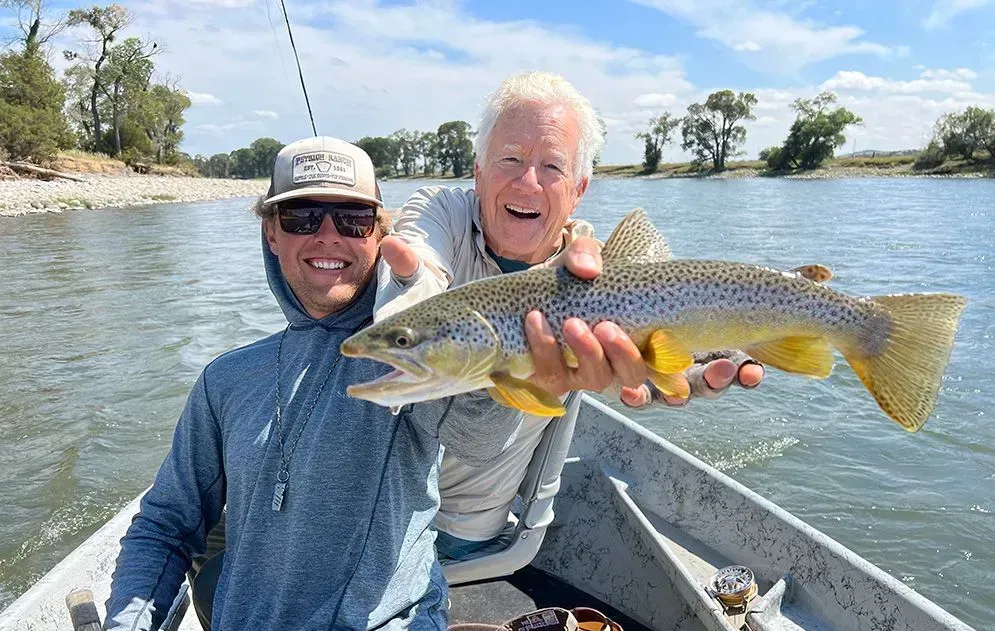
Fall in Yellowstone National Park is nothing short of legendary! As the summer crowds begin to dissipate and the first frosts touch the high country, the entire landscape transforms into a vibrant canvas of gold, orange, and deep red. For the fly fisher, this seasonal shift triggers some of the most exciting trout behavior of the year. The cooling water temperatures act as a dinner bell for resident fish, signaling that it is time to bulk up before the long Montana winter sets in. Whether you are targeting large brown trout moving up from reservoirs or resident rainbows and cutthroats looking for a final terrestrial meal, the energy in the air is palpable.
During this time, the light becomes softer, casting a warm glow over the YELLOWSTONE NATIONAL PARK landscape. It is a season of transition where you might start your morning in a light fleece and end the afternoon basking in the sun while grasshoppers still kick around the riverbanks. The bug life changes too, with Blue Winged Olives and late-season sedges providing technical but rewarding dry fly opportunities. There is an unmatched sense of peace when you are standing in the middle of a crystalline stream, surrounded by golden aspens, listening to the distant bugle of a bull elk. This is the ultimate destination for anyone looking to combine world-class angling with the raw beauty of the American West.
The Magic of Autumn in the Park
When you choose to spend a day on foot in the park during the fall, you are signing up for an immersive sensory experience. The smell of curing grass and damp river earth fills the air, and the water is often at its clearest point of the year. This clarity requires a bit of stealth and a refined approach, which is exactly why our guides at Paradise Valley Angler love this season. We get to slow down, observe the water, and pick apart specific runs that might be bypassed on a faster-moving boat.
In the fall, the fish are often found in very specific types of water. They move out of the fast, oxygenated summer riffles and into deeper pools or the tailouts of runs. Seeing a large snout break the surface of a glassy pool is a thrill that never gets old. We focus on the legendary WATERS WE FISH , looking for those perfect moments when the hatch coincides with the afternoon warmth. It’s an enthusiastic time for both guides and guests because every cast feels like it has the potential to connect with a truly special fish. The anticipation of the strike, combined with the crisp mountain air, makes every hour on the water feel like a gift.
How does a walk and wade trip differ from a valley float?
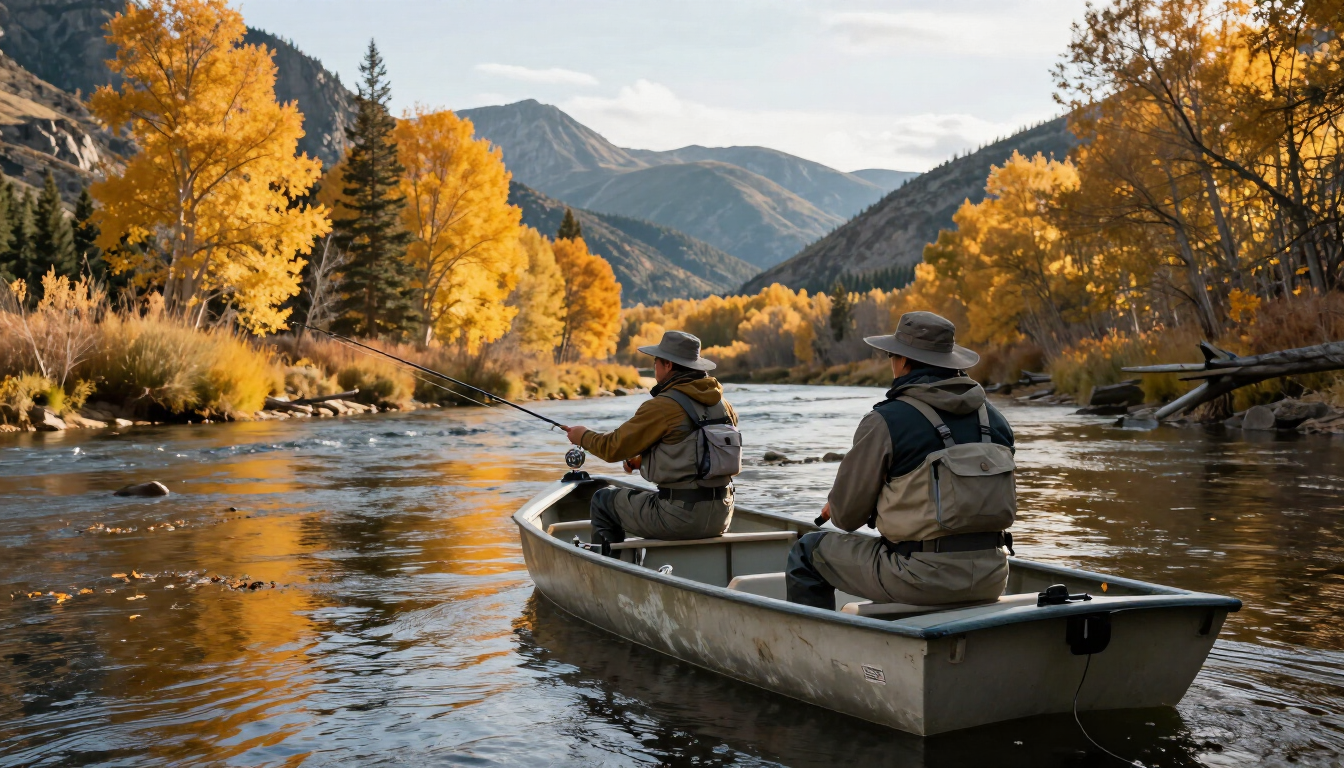
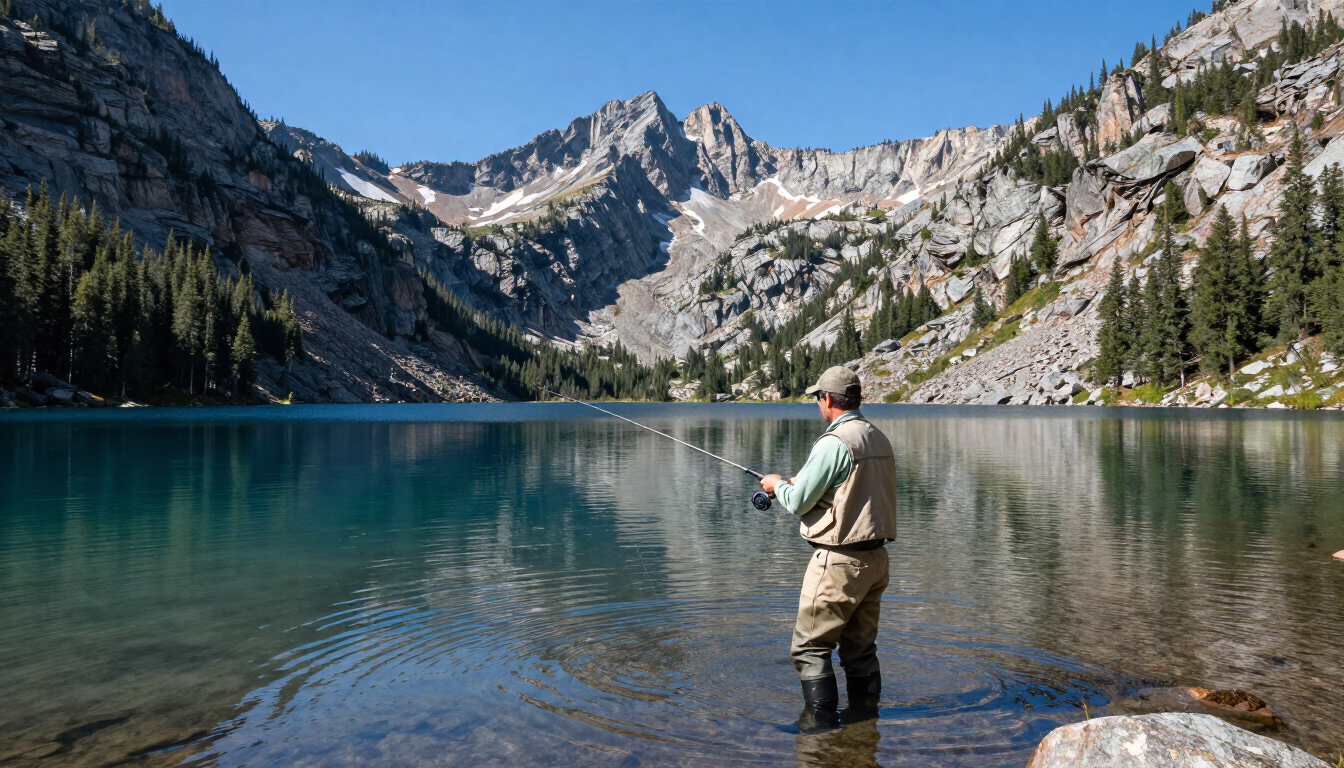
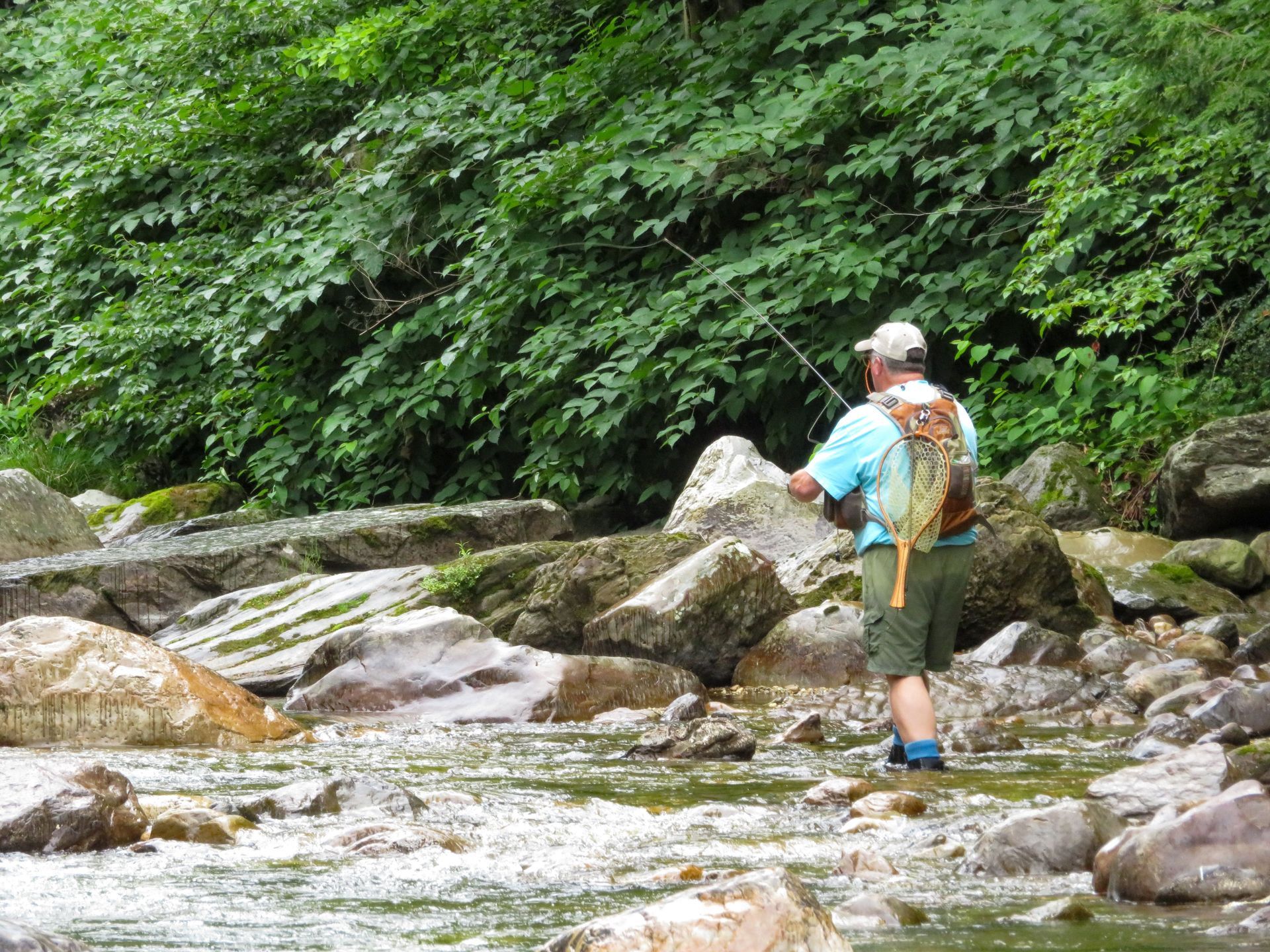
While we absolutely love our FLOAT TRIPS on the lower Yellowstone River, a walk and wade day inside the park offers a completely different perspective. When you are in a drift boat, the scenery moves past you at a steady pace, and you often get one or two good casts at a target before the current carries you away. In contrast, WALK / WADE TRIPS allow for a much more methodical and intimate approach to the river. You have the luxury of time. You can stand in one spot, observe the feeding patterns of a specific fish, and change your fly or your presentation until you get it just right.
Fishing on foot also allows us to access smaller tributaries and pocket water that a boat simply cannot reach. In the park, many of the best fall fishing spots are found in canyons or along meadow stretches where the water is too shallow or too technical for a vessel. Walking allows you to feel the current against your legs, helping you understand the river's hydraulics in a way that is impossible from a seat. It is a more physical experience, involving hiking through sagebrush flats or navigating rocky banks, which adds a wonderful sense of adventure to the day. You aren't just a passenger; you are an active participant in the ecosystem.
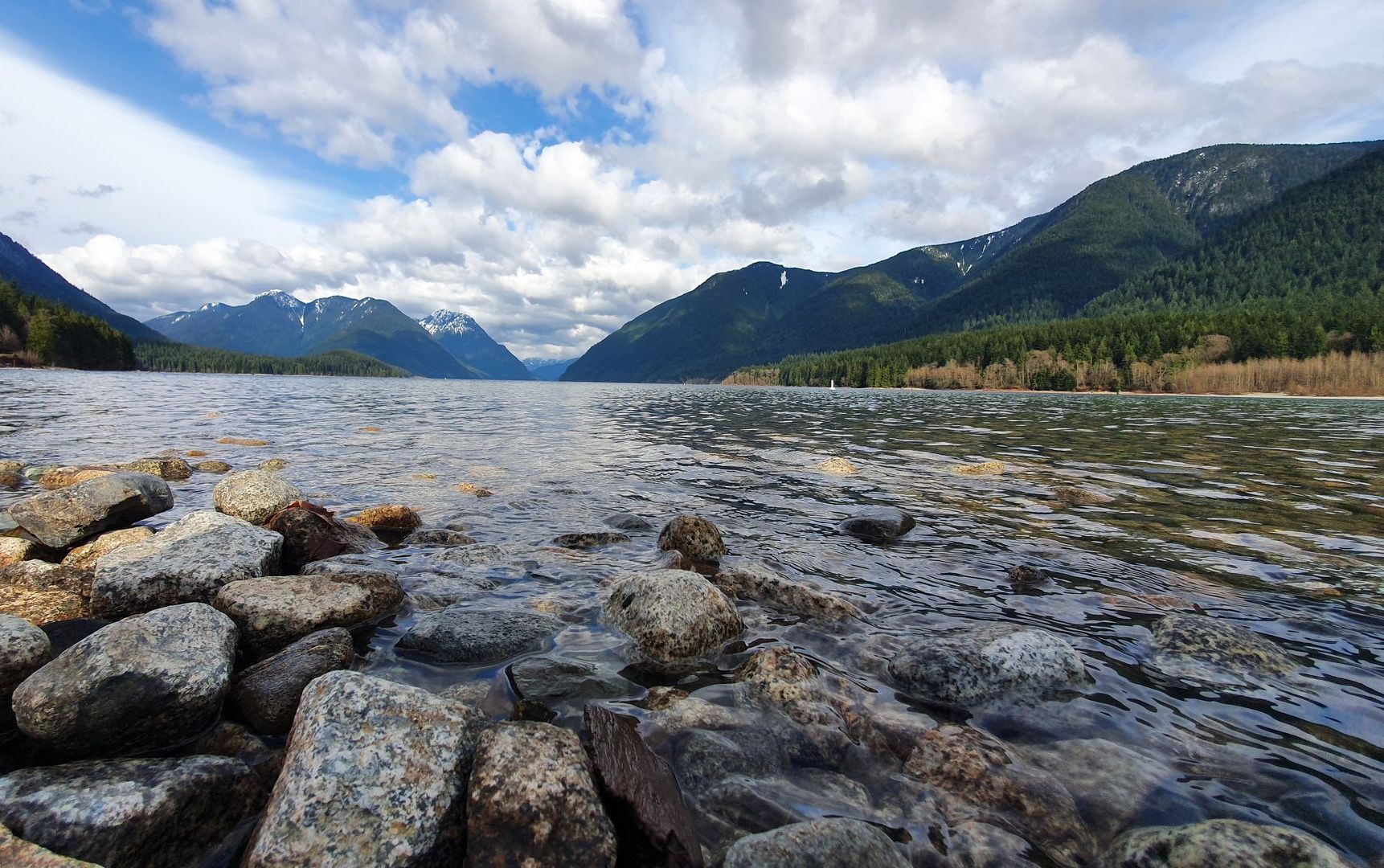
The Stealth and Precision of Walk and Wade Trips
Success in the fall often comes down to stealth. Because the water levels are lower and the pools are calmer, trout can be more easily spooked by heavy footsteps or clumsy casting. This is where the expertise of a Paradise Valley Angler guide becomes invaluable. We teach you how to approach a run without being seen, how to manage your line to avoid drag, and how to spot fish in the shifting shadows of the autumn sun.
We often spend time on the MADISON RIVER or the upper Yellowstone, where the technical nature of the water rewards a patient angler. On a walk and wade trip, we can focus heavily on instruction. If you are a beginner, this is the perfect environment to learn the fundamentals of casting, mending, and hook-setting without the pressure of a moving boat. If you are a seasoned pro, we can hunt for specific trophy fish that require a perfect drift and a delicate touch. The precision required for fall walk and wade fishing makes the eventual success even more satisfying. There is nothing like the feeling of stalking a rising trout, making the perfect cast, and watching the take in slow motion.
What do you need for a Yellowstone Park fishing permit?
Planning your trip requires a bit of administrative preparation, as the rules inside the park are unique. It is critical to understand that a Montana state fishing license does not cover you inside the boundaries of Yellowstone National Park. To fish legally within the park, you must obtain a specific Yellowstone National Park fishing permit. These permits are managed by the National Park Service and are required for all anglers aged 16 and older.
We always encourage our guests to visit the official National Park Service website for the most current information regarding permit prices, season dates, and specific area closures. The park has very strict regulations designed to protect its native fish populations, such as the Yellowstone Cutthroat trout. These rules can change from year to year, so checking the official sources is the only way to ensure you are compliant. You can find all the necessary details on the NPS website, and they often provide helpful maps and brochures to help you navigate the various fishing zones.
Exploring the Famous Waters We Fish
When you book a trip with us, we take care of the heavy lifting, but having your permit ready is the first step toward a seamless day. Once we are on the water, we might find ourselves on the Gardner River, the Lamar, or even a hidden spring creek. Each of these locations has its own personality and requires different tactics. The diversity of the park is what makes it a world-class destination. You could be fishing a high-mountain stream in the morning and a wide-open meadow river in the afternoon.
Our team is deeply familiar with the seasonal movements of fish throughout these systems. We know which holes hold fish when the temperatures drop and which stretches are most likely to see a mid-afternoon hatch. If you have questions about what to expect, our FAQ page is a great resource, or you can always CONTACT us directly to discuss the specifics of your upcoming adventure. We pride ourselves on our local knowledge, which has been passed down through generations of Montana ranchers and guides.
Staying Safe in Grizzly Country
Yellowstone is a wild place, and that is a large part of its appeal. However, it is important to remember that you are recreating in grizzly country. Safety is a top priority for us, and our guides are well-versed in bear safety protocols. However, for all official wildlife guidance, safety tips, and regulations regarding bear spray and group sizes, you must refer to the National Park Service. They provide comprehensive resources on how to behave if you encounter wildlife and how to properly store food and gear. Being prepared and informed is the best way to ensure your trip remains focused on the joy of fishing and the beauty of the surroundings.
Preparing for Your Autumn Adventure
As you prepare for your Yellowstone fall fly fishing journey, remember that the key to a great day is flexibility and the right mindset. The weather can change quickly, so layering your clothing is essential. You want to be prepared for everything from a crisp, frosty morning to a bright, sunny afternoon. Our guided walk and wade trips are designed to be educational, exciting, and deeply restorative. We handle the gear, the lunch, and the logistics, so you can focus entirely on the rhythm of the river and the thrill of the catch.
In conclusion, a fall day on foot in Yellowstone is an experience that every angler should have at least once. It combines the technical challenge of fly fishing with the unparalleled beauty of the park’s most colorful season. By choosing a walk and wade trip, you get to see the park from the inside out, stepping off the beaten path and into the heart of the wild. We can’t wait to share this incredible season with you and help you create memories that will last a lifetime.
Core Takeaways for Your Fall Trip:
- Secure the Right Permit: Always obtain an official Yellowstone National Park fishing permit, as Montana state licenses are not valid within the park boundaries.
- Embrace the Walk and Wade Style: Enjoy the stealth, precision, and intimate river access that fishing on foot provides compared to a float trip.
- Dress in Layers: Be ready for fluctuating autumn temperatures by wearing moisture-wicking layers and carrying a waterproof shell.
- Prioritize Safety: Consult the National Park Service for all official guidance on wildlife encounters and grizzly bear safety.
- Experience the Seasons: Take time to appreciate the changing colors, bugling elk, and unique trout behavior that only the fall season offers.
Recent Posts