
How to Master Montana Spring Creek Fly Fishing
Montana spring creek fly fishing is a technical discipline requiring stealth, precision, and patience. These crystal-clear, slow-moving waters demand short, accurate presentations to highly selective wild trout. Success hinges on a deliberate approach, making it the ultimate challenge for experienced anglers seeking a pure test of skill.
Why Does Fall Draw Technical Anglers to Montana Spring Creeks?
As the heat of the Montana summer wanes and the cottonwoods begin their transition to gold, a specific breed of angler finds their way to the banks of the region’s legendary spring creeks. While the larger freestone rivers offer high-volume action, the creeks provide a specialized environment where the variables are controlled, but the difficulty is amplified. The draw of the fall season lies in the stability of the water and the intensified selectivity of the fish. By September and October, these trout have seen a full season of overhead activity, making them some of the most wary specimens in the Rocky Mountains.
For the experienced angler, this isn't a deterrent; it is the primary attraction. The water remains a constant temperature, bubbling up from subterranean aquifers, which keeps the fish active even as the surrounding landscape prepares for winter. However, the clarity of the water in autumn is staggering. It is often described as “air with a slight tint,” offering zero concealment for the angler who moves too quickly or casts too aggressively. This transparency creates a high-stakes environment where every movement is scrutinized by wild brown and rainbow trout that have survived by being hyper-aware of their surroundings.
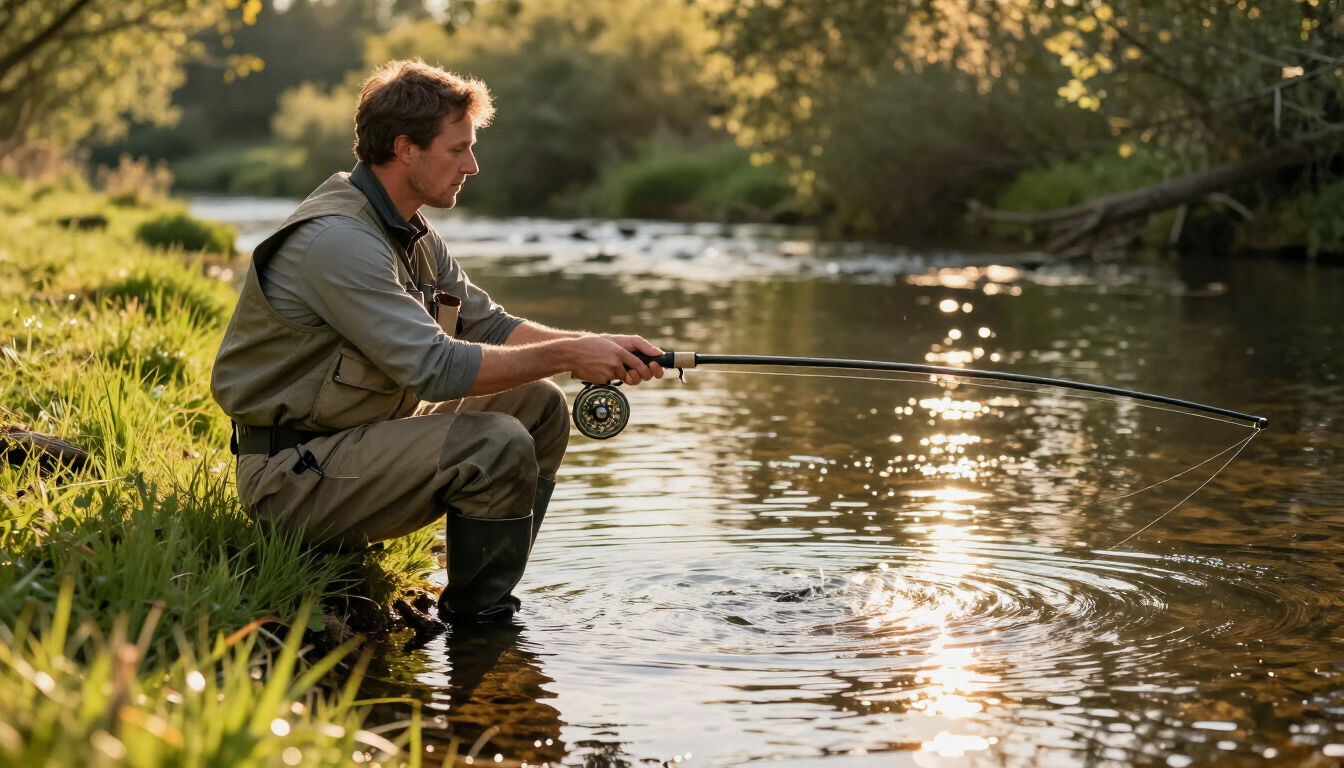
The fall experience on these Paradise Valley spring creeks is less about the numbers and more about the quality of the engagement. It is a game of chess played in a liquid medium. You aren't just fishing; you are hunting. You spend more time watching the water, identifying the specific rhythm of a rise, and calculating the exact lane of a drift than you do actually casting. For those who have mastered the basics of the sport, this return to fundamentals—stalking, observing, and reacting—is the ultimate reward.
Mastering Short, Accurate Presentations in Clear Water
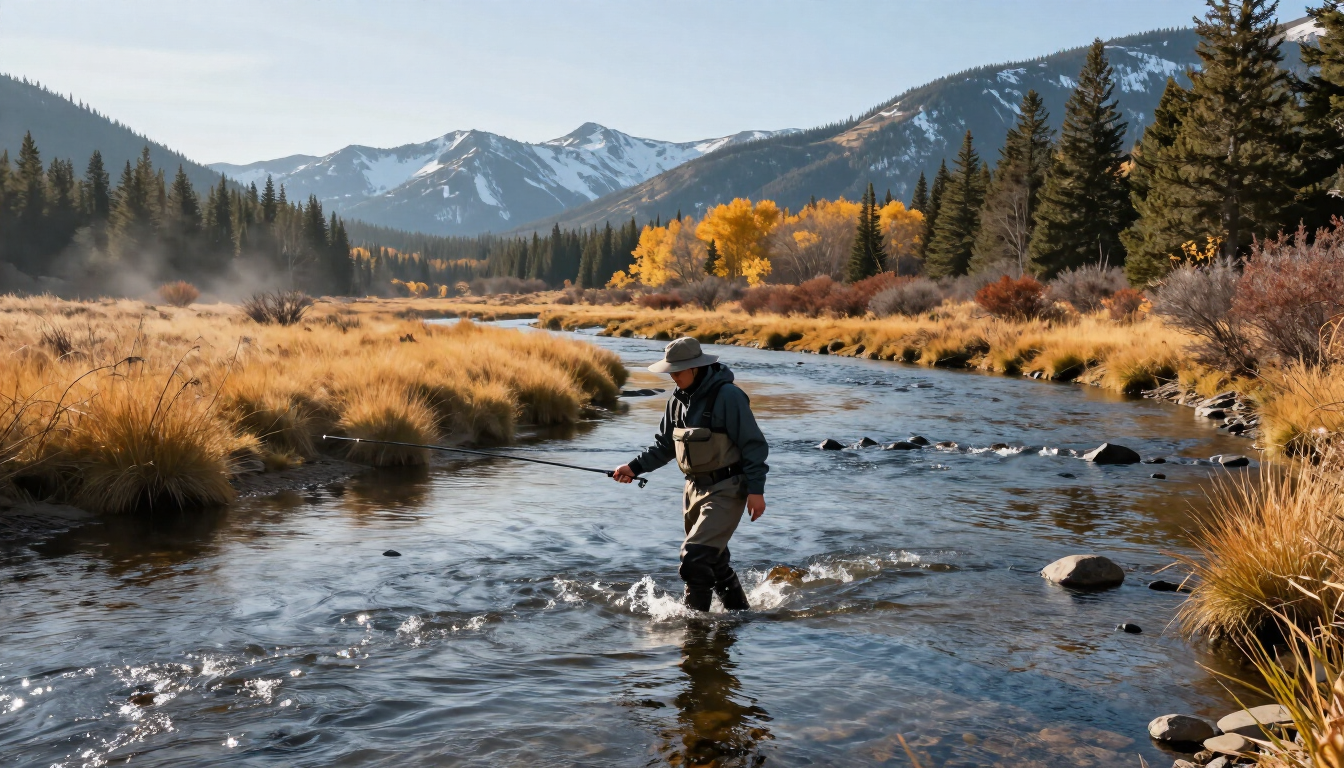
In the world of walk / wade trips , the spring creek represents the pinnacle of technical execution. Unlike fishing from a boat where the craft provides a moving platform to cover distance, walk and wade angling on these creeks requires the fisherman to become part of the landscape. Because the water is so clear and the fish are so well-positioned, the long, heroic casts often seen in fly fishing films are actually a liability. Instead, success is found in the short, surgical presentation.
Accuracy is non-negotiable. Because these creeks feature complex micro-currents moving at different speeds within a single square yard of surface area, your drift must be perfect from the moment the fly touches the water. A cast that is six inches off target will likely result in a "refusal" or, worse, a "spook." The trout here don't just look at the fly; they inspect the way it rides in the surface film and how it moves relative to the natural drift. If the fly behaves unnaturally for even a fraction of a second, the fish will simply sink back into the depths or dart for cover.
How Should You Approach Highly Selective Trout?
Approaching selective trout requires a radical shift in pace. Most anglers are used to moving at a walking speed along a riverbank, but on a spring creek, you move at the pace of a predator. Every footfall on the bank sends vibrations through the soft soil and into the water. To the trout, this is an alarm bell. We teach our guests to stay low—often kneeling in the grass—and to use the natural vegetation as a blind.
Before the first cast is ever made, an expert angler will spend ten to fifteen minutes simply watching a single fish. You are looking for its "feeding window." Does it move left to right? Does it drop back for emergers? Is it locked into a specific bubble line? By the time you peel line off your reel, you should have a complete mental map of the target's behavior. This level of technical fishing is what separates the casual hobbyist from the dedicated practitioner.
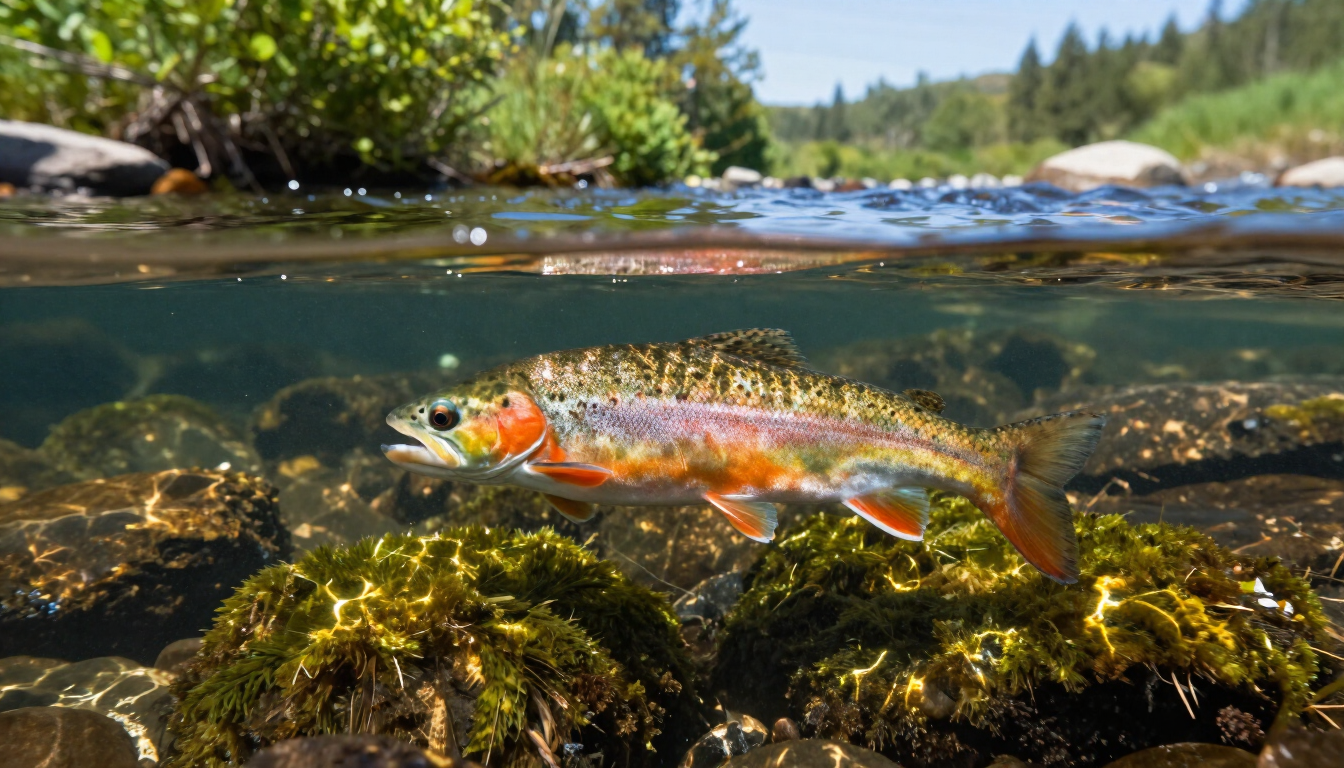
The presentation itself must be delicate. The goal is to have the fly land like a natural insect, with no splash and minimal line spray. Often, this means using longer leaders and lighter tippets, though we won't discuss specific gear dimensions here. The emphasis is on the angler's ability to manage the line once it is on the water. Mending must be done with extreme subtlety; a heavy-handed mend will create a wake that alerts every fish in the pool to your presence.
Navigating Private Water Access and Booking Requirements
It is important to understand that the highest quality spring creek experiences in Montana often occur on private water . These sections of creek are located on private ranches and are managed with extreme care to ensure the health of the trout and the quality of the angling environment. Because of this stewardship, there are specific logistics that every angler must be aware of when planning their trip.
Firstly, private water access involves a rod fee that is charged by the landowner. This fee is in addition to the standard professional guide rate. While this adds to the cost of the trip, it ensures a limited number of anglers on the water each day. Unlike public rivers where you might see dozens of boats, on a private spring creek, you are often one of only a handful of people on miles of water. This solitude is essential for the technical, slow-paced fishing that these creeks demand.
Secondly, access is strictly limited. Because the landowners prioritize the resource and the angler experience, spots fill up very quickly. For the prime fall season, it is not uncommon for the best dates to be booked six to twelve months in advance. We strongly recommend that anglers looking for this specific technical challenge contact us early to secure their place on the calendar. Managing expectations regarding availability and cost is part of our commitment to a professional, transparent service.
Why is a Walk and Wade Strategy Essential for Success?
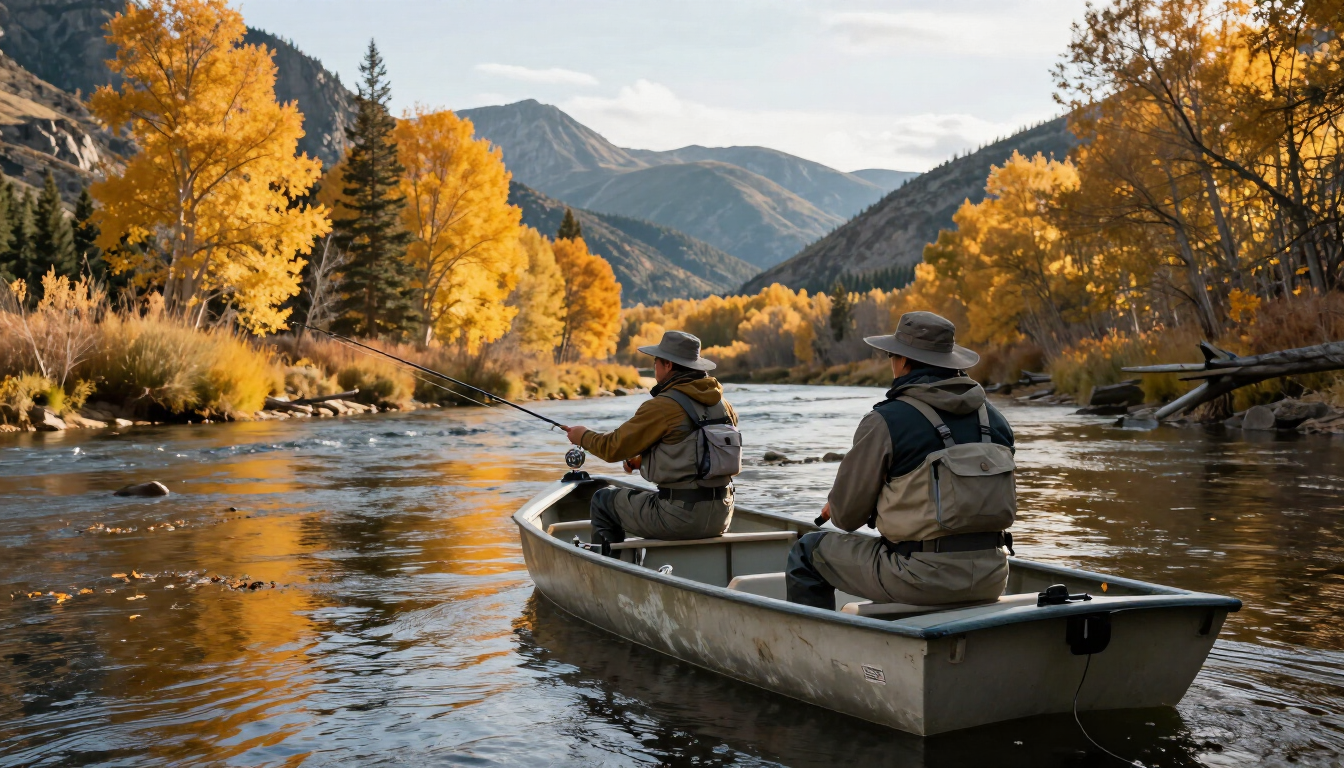
While float trips are excellent for covering the vast reaches of the Yellowstone River or the Madison River , the spring creek environment demands a walk and wade strategy. The reason is simple: you cannot be deliberate enough from a moving boat. To catch a trophy trout in a spring creek, you need to be stationary. You need to be able to change your angle by three degrees to avoid a micro-drag, or wait five minutes for a cloud to pass so the glare off the water subsides.
Walking and wading allows the angler to become an observer. It facilitates the slow, methodical breakdown of a pool or a run. You aren't just casting at likely spots; you are targeting specific fish that you can see. This "sight fishing" is the hallmark of the spring creek experience. When you are on your feet, you can move with the stealth required to get within twenty feet of a feeding fish without him ever knowing you are there. It is the most intimate form of fly fishing available, placing you directly in the trout's world.
The Reward of Slow, Deliberate Angling
The ultimate takeaway for the experienced angler is that Montana spring creek fishing is a game of quality over quantity. The rewards are found in the successful execution of a difficult task—the perfect crawl into position, the single accurate cast, and the patient wait for the take. It is a discipline that honors the history of the sport and challenges the skills of even the most seasoned veteran. By slowing down and embracing the technical demands of these waters, you gain a deeper understanding of trout behavior and a greater appreciation for the pristine environments of Southwest Montana.
Key Takeaways for Your Spring Creek Adventure:
- Prioritize Stealth: Move slowly, stay low, and minimize bank vibrations to avoid spooking wary fall trout.
- Focus on Accuracy: In clear water, your presentation must be precise; even a minor error in placement can end the opportunity.
- Plan Ahead: Private water access requires a rod fee and early booking due to strictly limited daily capacity.
- Observe Before Casting: Spend time identifying the feeding patterns of specific fish to increase your success rate.
- Embrace the Challenge: Spring creeks are for those who value the process and the technical mastery of the sport over high fish counts.
For more information on current availability or to view our full range of guided options, please visit our rates page or explore our waters we fish section. We look forward to guiding you through the most technical and rewarding waters Montana has to offer.
Recent Posts